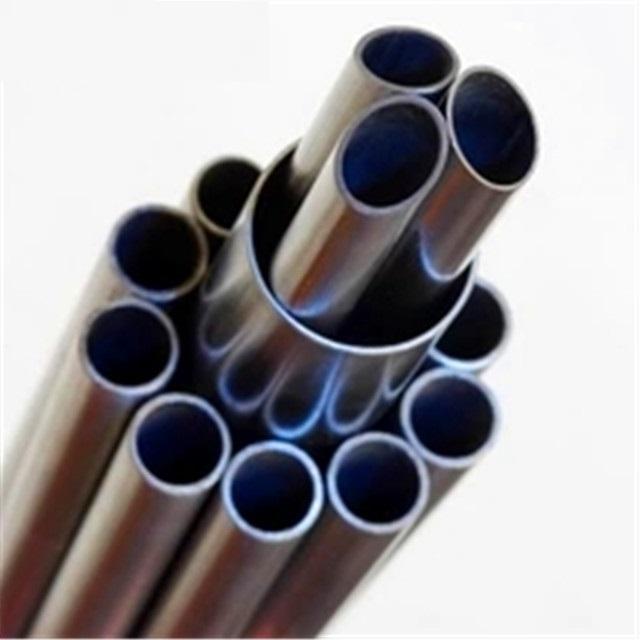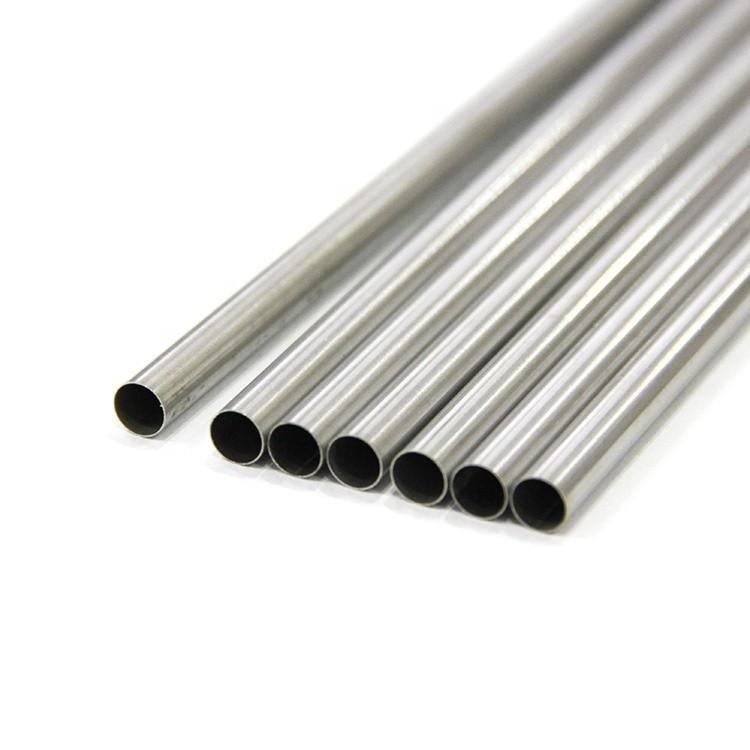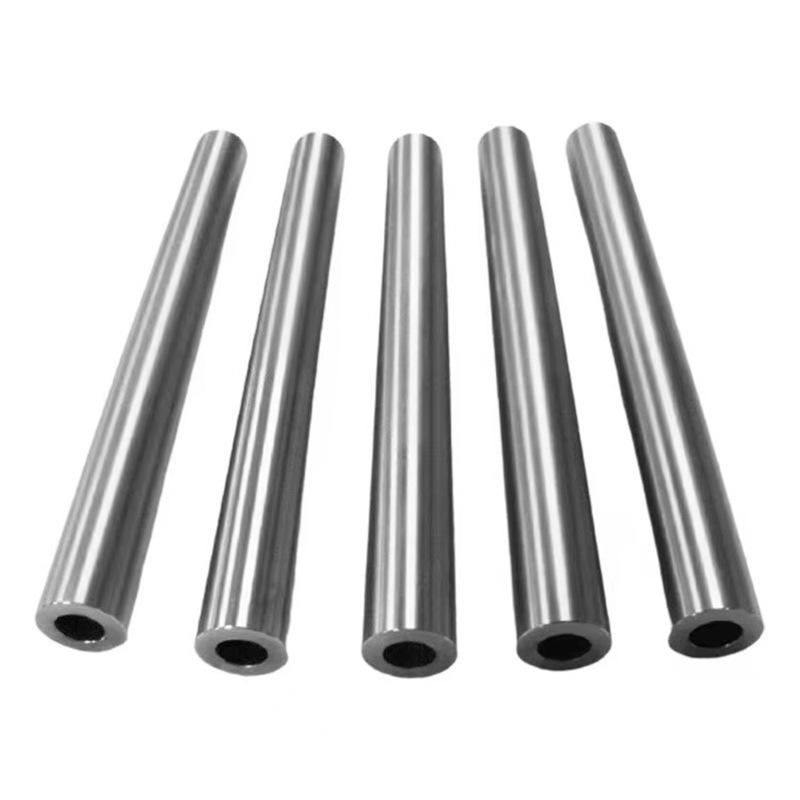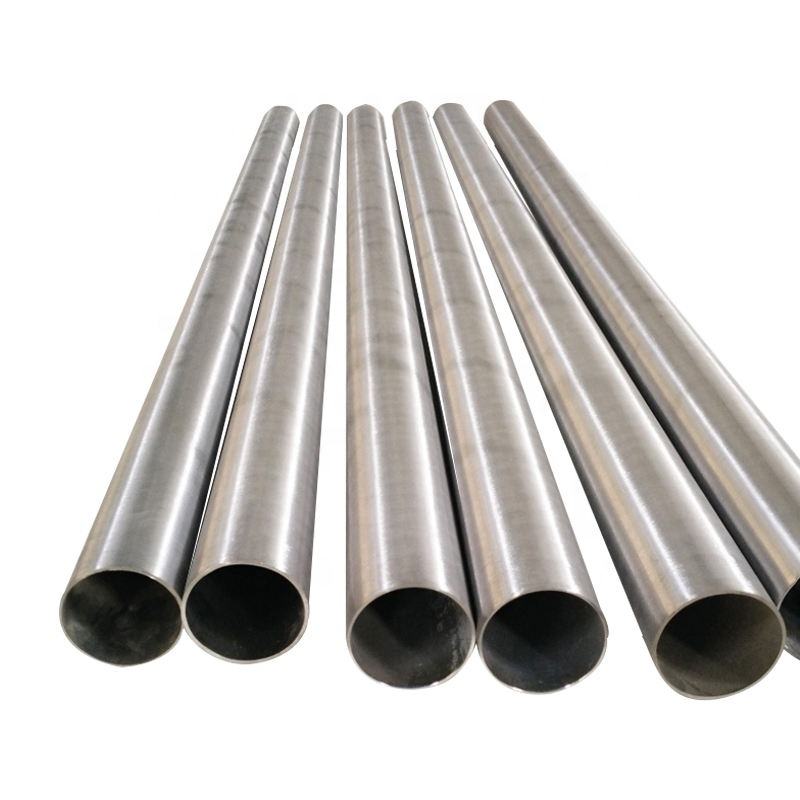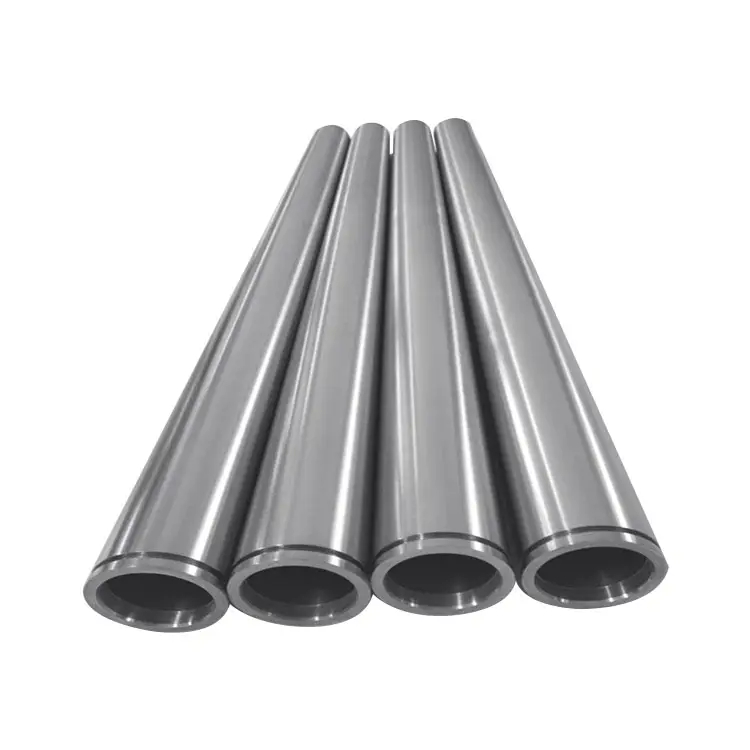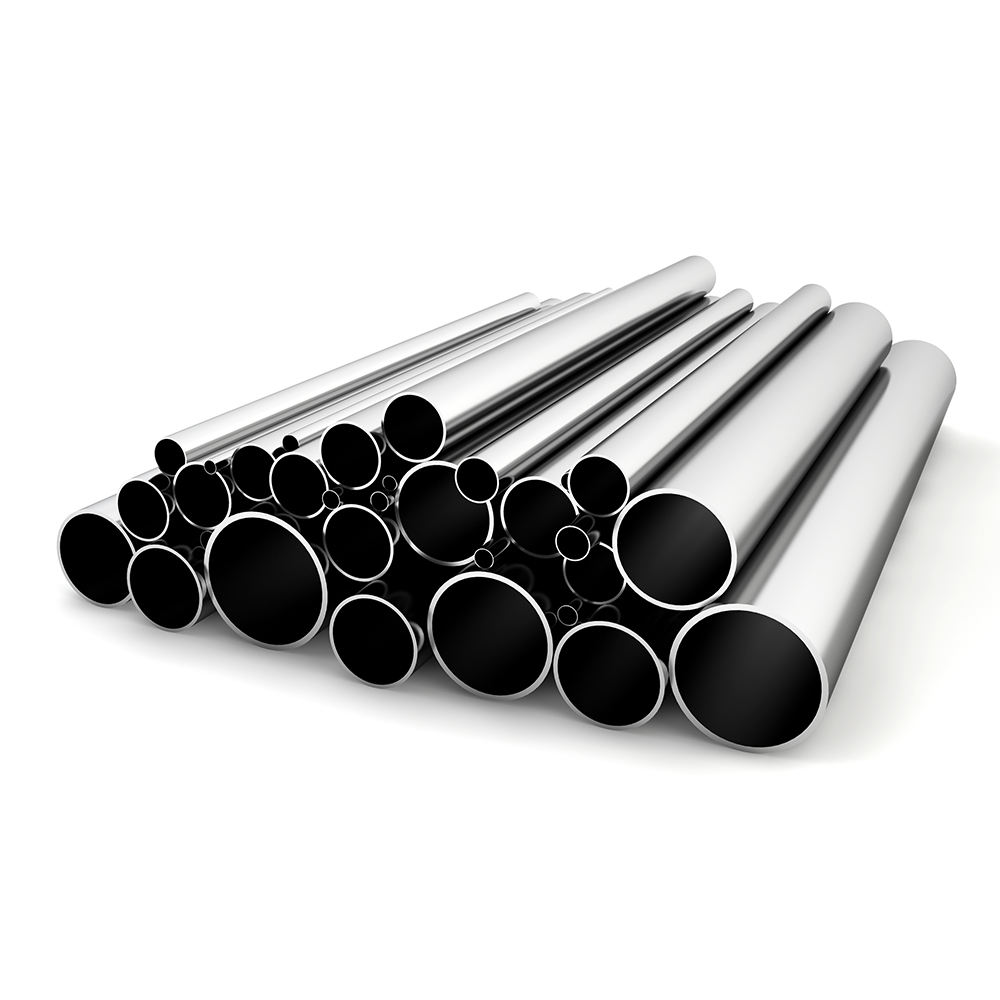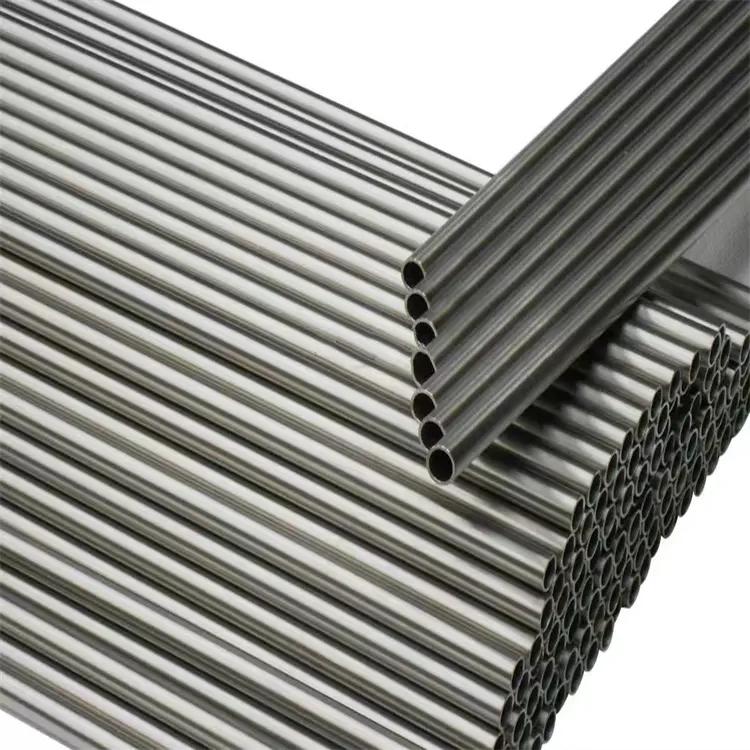
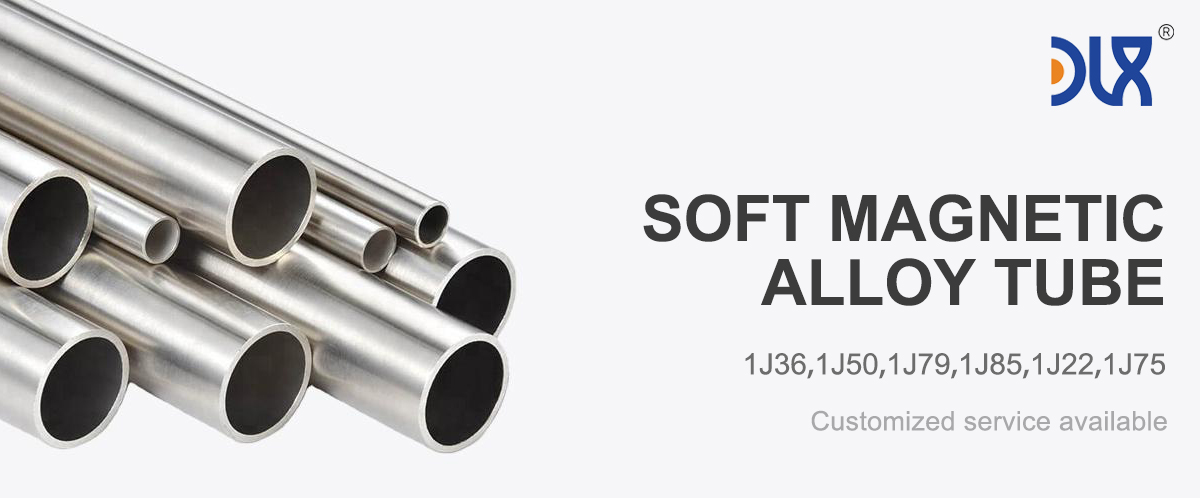
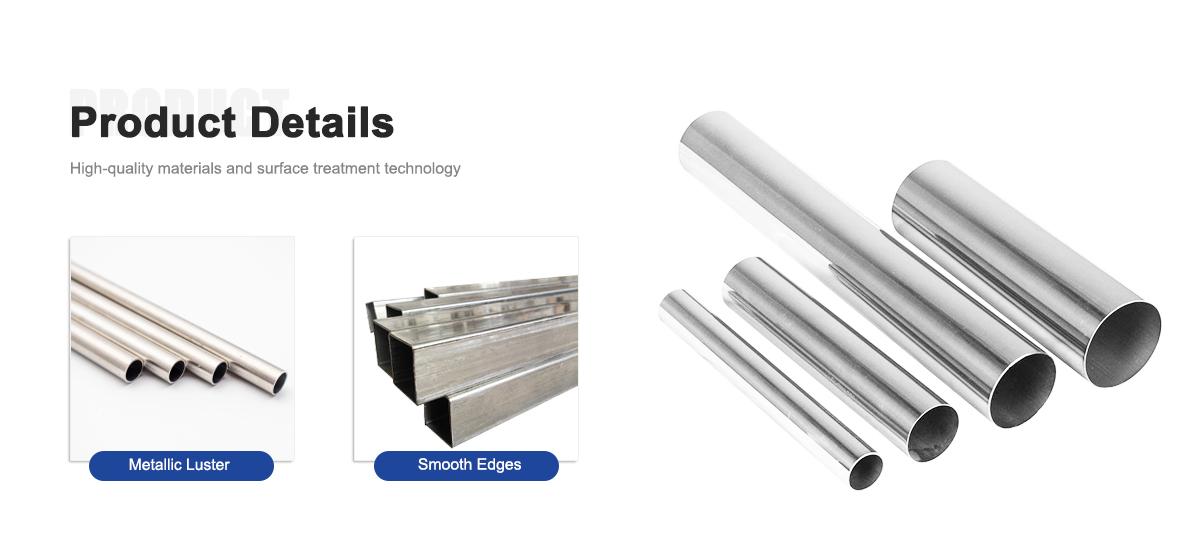
We’re proud to offer our 1J79 Soft Magnetic Alloy tube, a game-changer for high-efficiency electromagnetic devices. This alloy, crafted from a precise blend of nickel, iron, and trace elements like silicon, aluminum, and magnesium, delivers top-notch magnetic performance. With high permeability exceeding 10,000 and low coercivity, it’s built to minimize energy losses while maximizing efficiency. Its electrical resistivity (~10⁻⁷ Ω·m) keeps eddy current losses low, making it perfect for applications under 300KHz. Plus, its mechanical stats—tensile strength of ~410MPa, yield strength of ~240MPa, and 30% elongation—mean it’s as durable as it is versatile. Whether you’re designing compact sensors or robust transformers, our 1J79 tubes are engineered to perform.
For more details, pls directly contact us.
The soft magnetic materials market is booming, driven by the global push for energy efficiency and electrification. By 2026, the market is expected to hit $87.2 billion, growing at a CAGR of 8.8% from 2019, fueled by demand in electric vehicles (EVs), renewable energy, and consumer electronics. The rise of 5G networks and smart grids is also spiking the need for advanced materials like 1J79, which excel in high-frequency, low-loss applications. As industries shift toward sustainable solutions, our alloy tubes are positioned to meet the growing demand for compact, efficient electromagnetic components. Emerging trends, like additive manufacturing and AI-driven material optimization, are opening new doors for tailored alloy designs, and we’re at the forefront of this innovation.
Our 1J79 soft magnetic alloy tubes shine across multiple sectors. In electronics, they’re ideal for magnetic sensors and shielding, ensuring precise signal processing. Telecommunications relies on them for high-frequency transformers, critical for 5G infrastructure. In power generation, they’re used in transformers and inductors, boosting energy efficiency. The automotive industry, especially EVs, benefits from their role in electric motor cores, where low energy loss is key to performance. Medical devices also leverage 1J79 for compact, reliable electromagnetic components. From renewable energy systems to consumer gadgets, our alloy tubes deliver unmatched versatility and efficiency.
Alloy Composition Table
|
Alloy Grades |
C |
S |
P |
Mn |
Si |
Ni |
Cr |
Co |
Mo |
Cu |
Al |
Nb |
Fe |
Other Elements |
|---|---|---|---|---|---|---|---|---|---|---|---|---|---|---|
|
1J06 |
0.04 |
0.015 |
0.015 |
≤0.10 |
≤0.15 |
- |
- |
- |
- |
- |
5.5-6.5 |
- |
Rest |
- |
|
1J12 |
0.03 |
0.015 |
0.015 |
≤0.10 |
≤0.15 |
- |
- |
- |
- |
- |
11.6-12.4 |
- |
Rest |
- |
|
1J17 |
0.03 |
0.02 |
0.02 |
≤0.60 |
≤0.20 |
- |
15.5-16.5 |
- |
- |
- |
- |
- |
Rest |
- |
|
1J18 |
0.03 |
0.02 |
0.02 |
0.3-0.7 |
≤0.15 |
0.5-0.7 |
17-18.5 |
- |
- |
- |
- |
- |
Rest |
Ti: 0.3-0.7 |
|
0.04 |
0.02 |
0.02 |
≤0.3 |
≤0.3 |
≤0.5 |
- |
49-51 |
- |
≤0.2 |
- |
- |
Rest |
V: 0.8-1.8 |
|
|
1J30 |
0.04 |
0.02 |
0.02 |
≤0.40 |
≤0.30 |
29.5-30.5 |
- |
- |
- |
- |
- |
- |
Rest |
- |
|
1J36 |
0.03 |
0.02 |
0.02 |
≤0.60 |
≤0.20 |
35.0-37.0 |
- |
- |
- |
- |
- |
- |
Rest |
- |
|
1J38 |
0.03 |
0.05 |
0.02 |
0.3-0.6 |
0.15-0.3 |
37.5-38.5 |
12.5-13.5 |
- |
- |
- |
- |
- |
Rest |
- |
|
1J46 |
0.03 |
0.02 |
0.02 |
0.6-1.1 |
0.15-0.3 |
45.0-46.5 |
- |
- |
- |
≤0.2 |
- |
- |
Rest |
- |
|
1J50 |
0.03 |
0.02 |
0.02 |
0.3-0.6 |
0.15-0.3 |
49-50.5 |
- |
- |
- |
≤0.2 |
- |
- |
Rest |
- |
|
1J51 |
0.03 |
0.02 |
0.02 |
0.3-0.6 |
0.15-0.3 |
49-50.5 |
- |
- |
- |
≤0.2 |
- |
- |
Rest |
- |
|
1J54 |
0.03 |
0.02 |
0.02 |
0.3-0.6 |
1.1-1.4 |
49.5-51 |
3.8-4.2 |
- |
- |
≤0.2 |
- |
- |
Rest |
- |
|
1J76 |
0.03 |
0.02 |
0.02 |
0.3-0.6 |
0.15-0.3 |
75.0-76.5 |
1.8-2.2 |
- |
- |
4.8-5.2 |
- |
- |
Rest |
- |
|
1J77 |
0.03 |
0.02 |
0.02 |
0.3-0.6 |
0.15-0.3 |
75.5-78 |
- |
- |
3.9-4.5 |
4.8-6.0 |
- |
- |
Rest |
- |
|
1J79 |
0.03 |
0.02 |
0.02 |
0.6-1.10 |
0.3-0.5 |
78.5-80.0 |
- |
- |
3.8-4.1 |
≤0.2 |
- |
- |
Rest |
- |
|
1J80 |
0.03 |
0.02 |
0.02 |
0.6-1.10 |
1.1-1.5 |
79.0-81.5 |
2.6-3.0 |
- |
- |
≤0.2 |
- |
- |
Rest |
- |
|
0.03 |
0.02 |
0.02 |
0.3-0.60 |
0.15-0.3 |
79.0-81.0 |
- |
- |
4.8-5.2 |
≤0.2 |
- |
- |
Rest |
- |
|
|
1J87 |
0.03 |
0.02 |
0.02 |
0.3-0.6 |
≤0.3 |
78.5-80.5 |
- |
- |
1.6-2.2 |
- |
- |
6.5-7.5 |
Rest |
- |
For more details, pls directly contact us.
|
Parameter |
1J79 Alloy |
Silicon Steel |
Permalloy |
Soft Ferrites |
|---|---|---|---|---|
|
Magnetic Permeability |
High (>10,000) |
Moderate (~2,000-5,000) |
Very High (~100,000) |
Low (~1,000-2,000) |
|
Coercivity (A/m) |
Low (<1000) |
Moderate (~50-100) |
Very Low (~10-20) |
Low (~100-500) |
|
Saturation Magnetization (T) |
~0.8 |
~2.0 |
~0.8-1.6 |
~0.4-0.5 |
|
Electrical Resistivity (Ω·m) |
~10⁻⁷ |
~10⁻⁸ |
~10⁻⁷ |
~10⁶ |
|
Eddy Current Loss |
Low (ideal for <300KHz) |
Moderate |
Low |
Very Low (high-frequency use) |
|
Mechanical Strength (MPa) |
Tensile: ~410, Yield: ~240 |
Tensile: ~500, Yield: ~300 |
Tensile: ~400, Yield: ~200 |
Brittle, low strength |
|
Machinability |
Excellent |
Good |
Good |
Poor |
|
Typical Applications |
Sensors, shielding, transformers |
Motor cores, transformers |
Magnetic shielding, sensors |
High-frequency transformers |
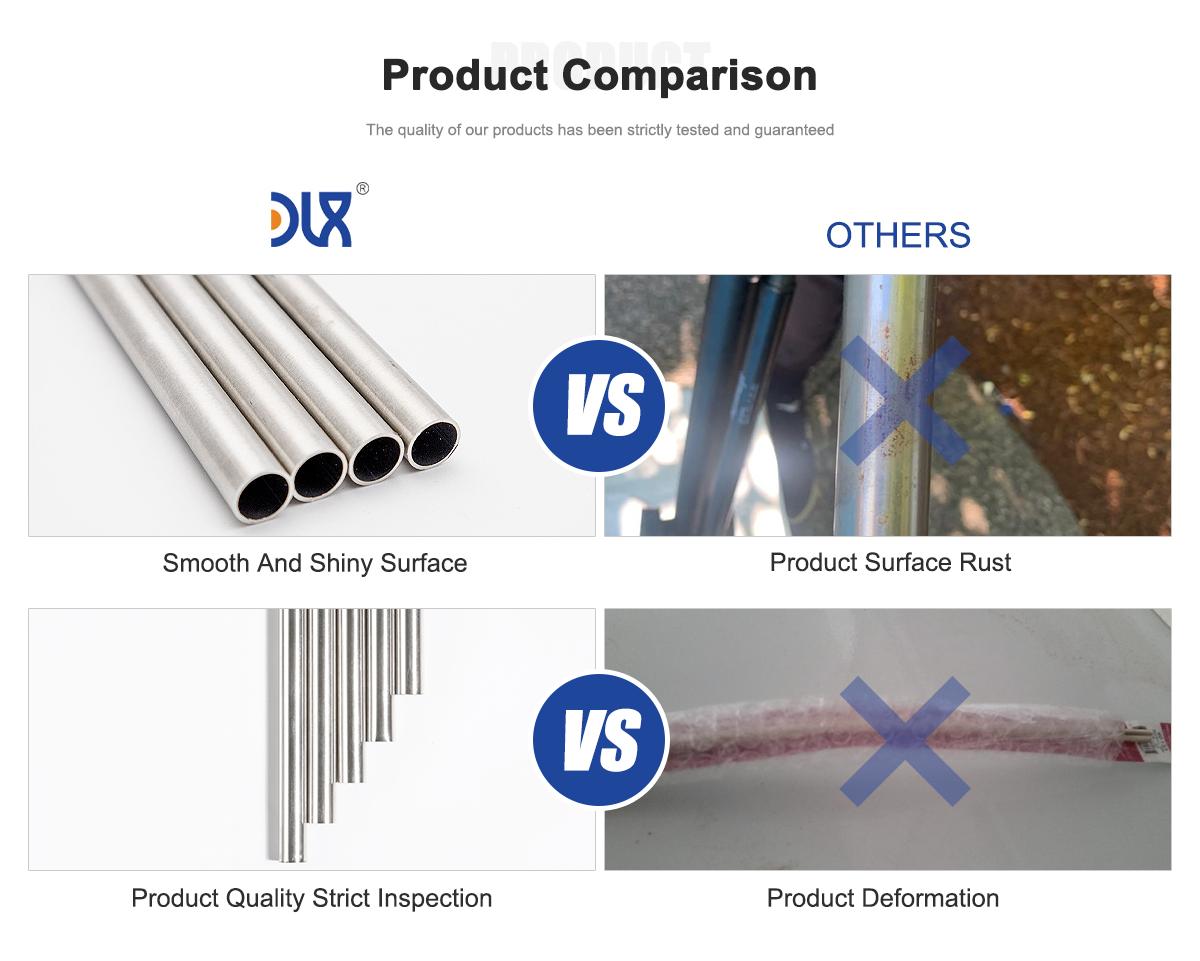
We’re not here to name names, but let’s just say not all soft magnetic alloy providers are created equal. Some companies might offer similar materials, but our 1J79 tubes stand out for a few key reasons. First, our proprietary manufacturing process ensures consistent quality, with precise composition control for optimal magnetic and mechanical properties. Unlike others who might cut corners, we prioritize high electrical resistivity and low eddy current losses, giving you better performance in high-frequency applications. Our tubes are also highly machinable and weldable, making them easier to integrate into your designs. Plus, we’re investing heavily in R&D to push the boundaries of soft magnetic alloys, ensuring our products evolve with industry needs. You won’t find that level of commitment everywhere.
Why Choose Our 1J79 Alloy Tubes?
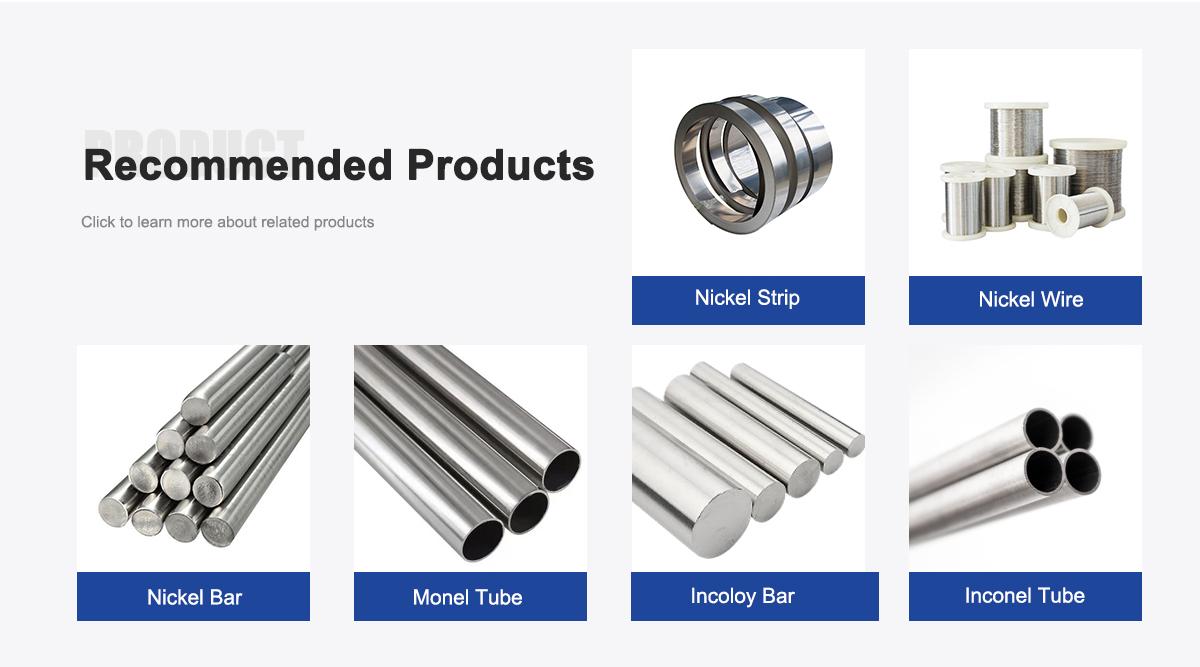
Our 1J79 soft magnetic alloy tubes are designed to power the future of electromagnetic devices. With superior magnetic properties, robust mechanical strength, and a focus on energy efficiency, they’re the go-to choice for industries from EVs to telecom. We’re not just keeping up with market trends—we’re setting them, with cutting-edge manufacturing and a passion for innovation. Whether you’re building the next big thing in electronics or optimizing power systems, our 1J79 tubes have you covered.

About Us:
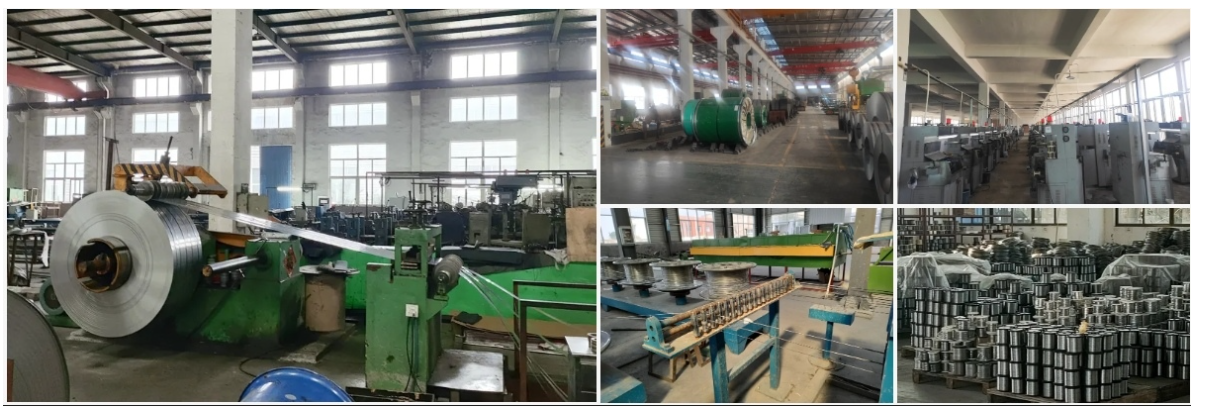
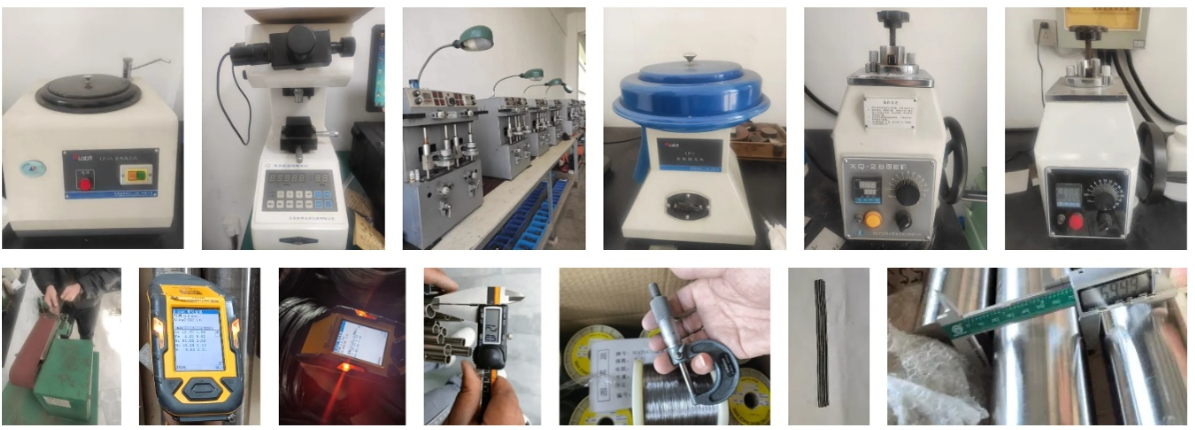
Our 12,000㎡ factory is equipped with complete capabilities for research, production, testing, and packaging. We strictly adhere to ISO 9001 standards in our production processes, with an annual output of 1,200 tons. This ensures that we meet both quantity and quality demands. Furthermore, all products undergo rigorous simulated environment testing including high temperature, high pressure, and corrosion tests before being dispatched, ensuring they meet customer specifications.
For all our clients, we offer timely and multilingual after-sales support and technical consulting, helping you resolve any issues swiftly and efficiently.
Client Visits
Building Stronger Partnerships

We support all kinds of testing:

FAQs
-
What is the 1J79 soft magnetic alloy tube made of?
It’s primarily composed of nickel, iron, and small amounts of silicon, aluminum, and magnesium, offering high magnetic permeability and low coercivity. -
What are the main applications of 1J79 alloy tubes?
They’re used in electronics, telecommunications, and medical devices, like transformers, magnetic sensors, and shielding components. -
Why choose 1J79 for electromagnetic devices?
Its high electrical resistivity and low eddy current losses make it ideal for high-efficiency, compact electromagnetic systems. -
How does 1J79 perform in high-frequency applications?
It excels below 300KHz, minimizing energy losses and maintaining strong magnetic performance. -
What are the mechanical properties of 1J79 tubes?
They have a tensile strength of about 410MPa, yield strength of 240MPa, and an elongation rate of around 30%. -
Is the 1J79 alloy tube easy to work with?
Yes, it offers excellent machinability and weldability, making it versatile for manufacturing complex components. -
How does 1J79 contribute to energy efficiency?
Its low coercivity and high permeability reduce energy losses, boosting the efficiency of motors and transformers. -
What industries benefit most from 1J79 alloy tubes?
Electronics, power generation, telecommunications, and automotive, especially in electric vehicle systems.