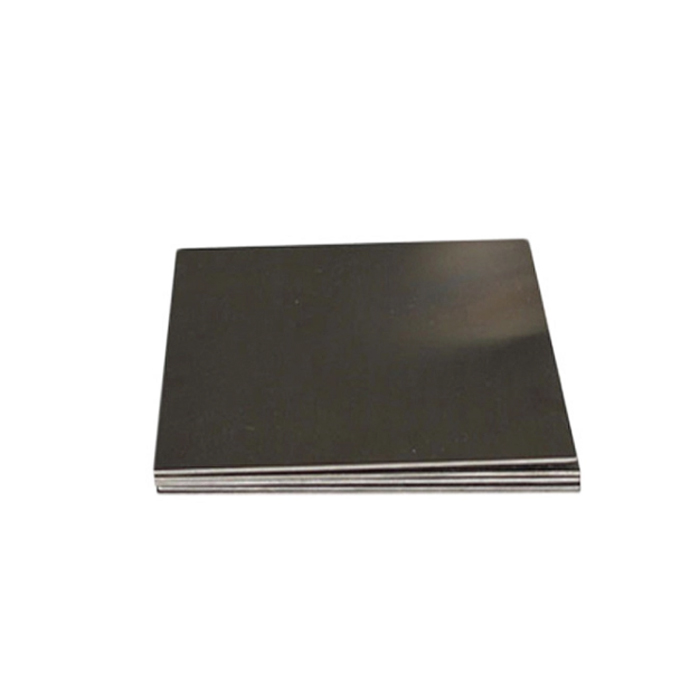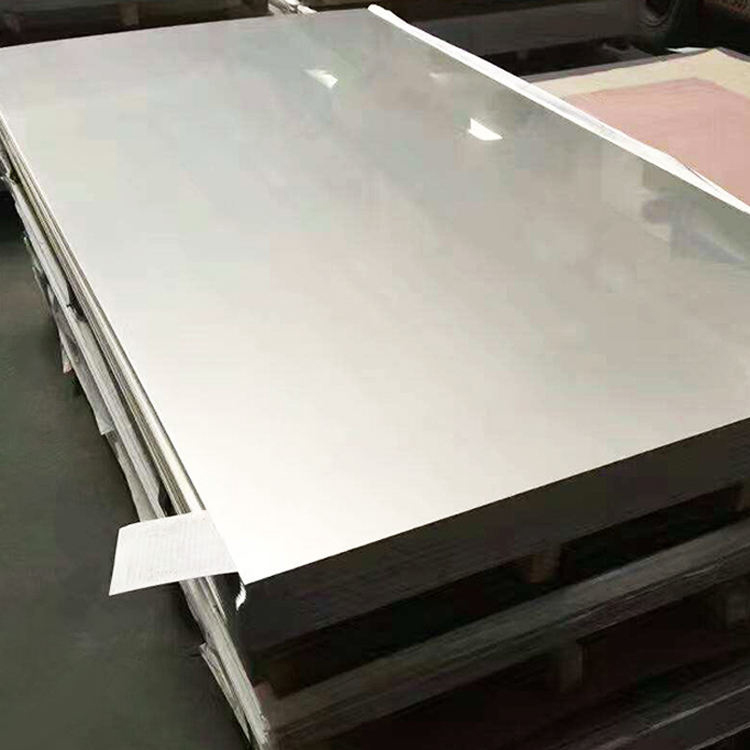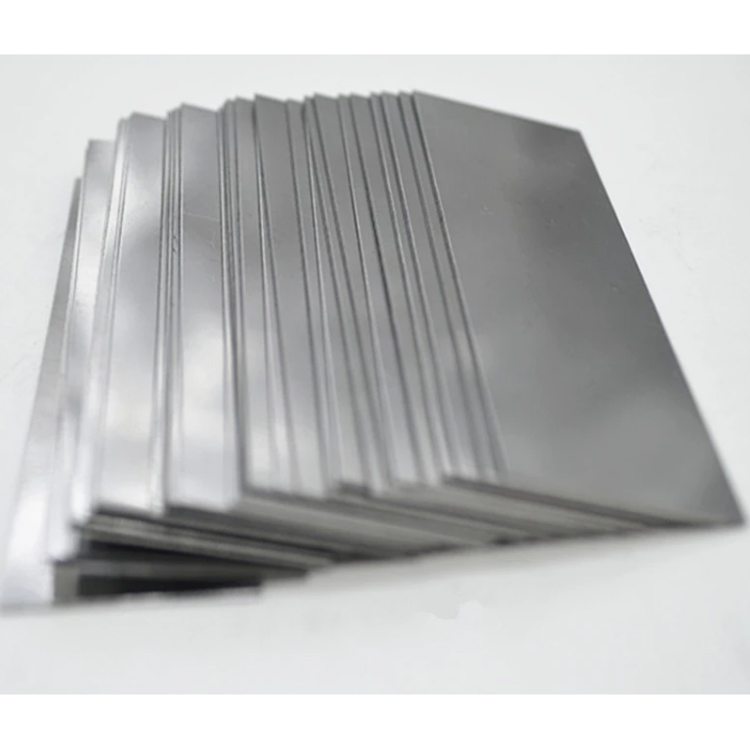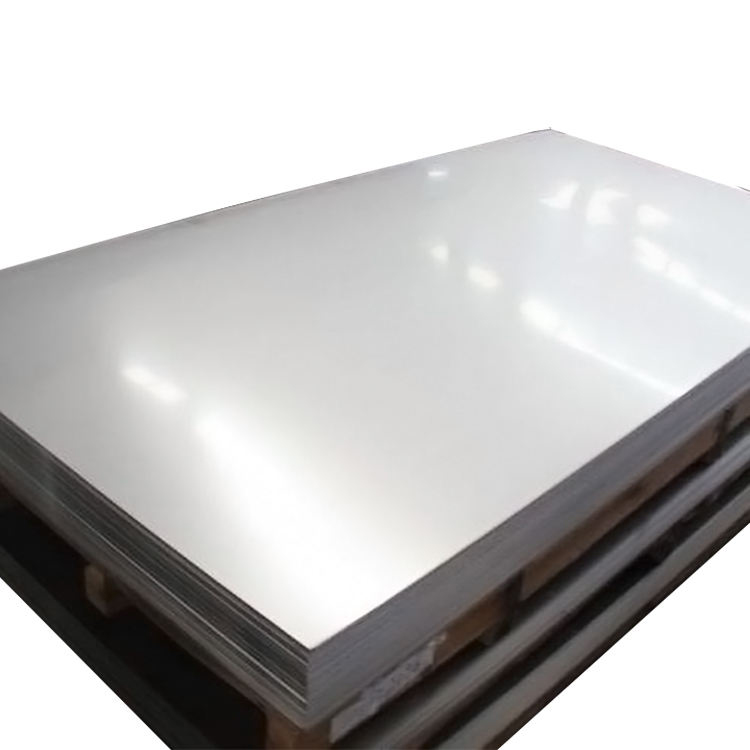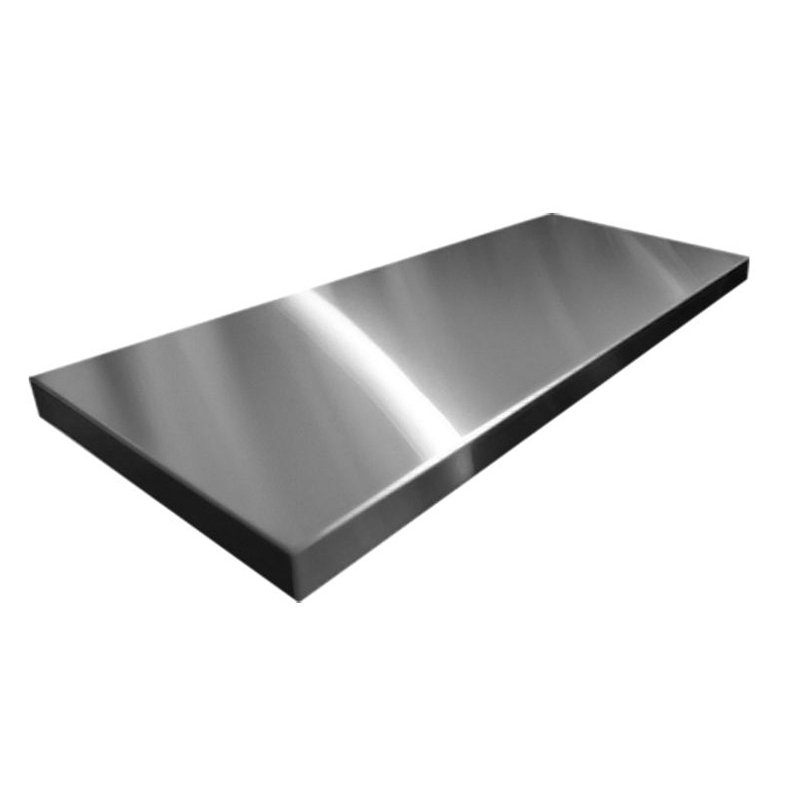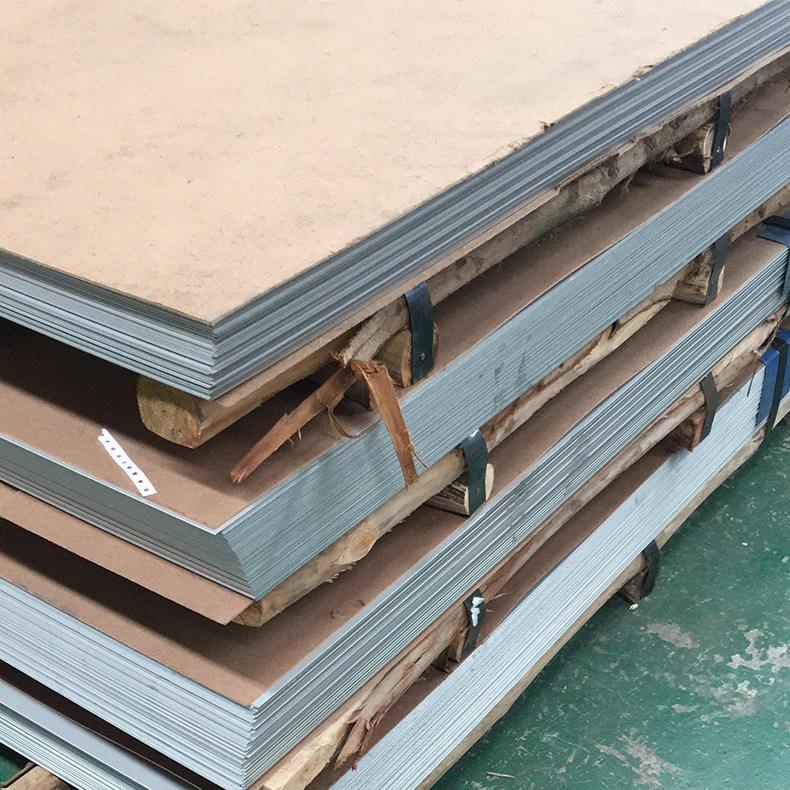
The 4J49 Nickel-Iron alloy plate is one of the most trusted materials in precision electromagnetic applications, especially in signal control systems where sensitivity and stability are crucial. At DLX Alloy, we’ve worked with 4J49 for over a decade, not just as a supplier, but as an engineering partner for clients in aerospace, communications, sensor technology, and industrial automation. Our hands-on experience with real-world production challenges and performance verification has made us confident that 4J49 remains one of the best-performing soft magnetic alloys in the market for signal control and shielding systems.
4J49, also known as a Ni49Fe alloy, is a soft magnetic material designed for high permeability and low coercivity under low magnetic field strength. With around 49% nickel and the balance iron, it’s an optimized material for magnetic shielding, precision signal transmission, and noise control. After professional hydrogen or vacuum annealing, the magnetic permeability of our DLX 4J49 plate can exceed 100,000, allowing it to respond quickly to weak signals while maintaining extremely low magnetic losses.
In our production line, the material undergoes vacuum melting, cold rolling, and magnetic annealing. This ensures that every plate has a uniform internal structure and consistent performance across the surface — something that’s crucial when used in high-precision sensors and control devices.
Alloy Composition Table
Alloy Grades | C | S | P | Mn | Si | Ni | Cr | Co | Mo | Cu | Al | Nb | Fe | Other Elements |
|---|---|---|---|---|---|---|---|---|---|---|---|---|---|---|
1J06 | 0.04 | 0.015 | 0.015 | ≤0.10 | ≤0.15 | - | - | - | - | - | 5.5-6.5 | - | Rest | - |
1J12 | 0.03 | 0.015 | 0.015 | ≤0.10 | ≤0.15 | - | - | - | - | - | 11.6-12.4 | - | Rest | - |
1J17 | 0.03 | 0.02 | 0.02 | ≤0.60 | ≤0.20 | - | 15.5-16.5 | - | - | - | - | - | Rest | - |
1J18 | 0.03 | 0.02 | 0.02 | 0.3-0.7 | ≤0.15 | 0.5-0.7 | 17-18.5 | - | - | - | - | - | Rest | Ti: 0.3-0.7 |
1J22 | 0.04 | 0.02 | 0.02 | ≤0.3 | ≤0.3 | ≤0.5 | - | 49-51 | - | ≤0.2 | - | - | Rest | V: 0.8-1.8 |
1J30 | 0.04 | 0.02 | 0.02 | ≤0.40 | ≤0.30 | 29.5-30.5 | - | - | - | - | - | - | Rest | - |
0.03 | 0.02 | 0.02 | ≤0.60 | ≤0.20 | 35.0-37.0 | - | - | - | - | - | - | Rest | - | |
1J38 | 0.03 | 0.05 | 0.02 | 0.3-0.6 | 0.15-0.3 | 37.5-38.5 | 12.5-13.5 | - | - | - | - | - | Rest | - |
1J46 | 0.03 | 0.02 | 0.02 | 0.6-1.1 | 0.15-0.3 | 45.0-46.5 | - | - | - | ≤0.2 | - | - | Rest | - |
1J50 | 0.03 | 0.02 | 0.02 | 0.3-0.6 | 0.15-0.3 | 49-50.5 | - | - | - | ≤0.2 | - | - | Rest | - |
1J51 | 0.03 | 0.02 | 0.02 | 0.3-0.6 | 0.15-0.3 | 49-50.5 | - | - | - | ≤0.2 | - | - | Rest | - |
1J54 | 0.03 | 0.02 | 0.02 | 0.3-0.6 | 1.1-1.4 | 49.5-51 | 3.8-4.2 | - | - | ≤0.2 | - | - | Rest | - |
1J76 | 0.03 | 0.02 | 0.02 | 0.3-0.6 | 0.15-0.3 | 75.0-76.5 | 1.8-2.2 | - | - | 4.8-5.2 | - | - | Rest | - |
1J77 | 0.03 | 0.02 | 0.02 | 0.3-0.6 | 0.15-0.3 | 75.5-78 | - | - | 3.9-4.5 | 4.8-6.0 | - | - | Rest | - |
0.03 | 0.02 | 0.02 | 0.6-1.10 | 0.3-0.5 | 78.5-80.0 | - | - | 3.8-4.1 | ≤0.2 | - | - | Rest | - | |
1J80 | 0.03 | 0.02 | 0.02 | 0.6-1.10 | 1.1-1.5 | 79.0-81.5 | 2.6-3.0 | - | - | ≤0.2 | - | - | Rest | - |
0.03 | 0.02 | 0.02 | 0.3-0.60 | 0.15-0.3 | 79.0-81.0 | - | - | 4.8-5.2 | ≤0.2 | - | - | Rest | - | |
1J87 | 0.03 | 0.02 | 0.02 | 0.3-0.6 | ≤0.3 | 78.5-80.5 | - | - | 1.6-2.2 | - | - | 6.5-7.5 | Rest | - |
For more details, pls directly contact us.
4J49 Nickel-Iron alloy plates are mainly used in:
Signal control systems – for stable magnetic response in detection and transmission circuits.
Magnetic shielding housings – preventing external electromagnetic interference in precision instruments.
Transformers and chokes – reducing magnetic losses in control units and power electronics.
Aerospace and defense electronics – ensuring signal stability under high-frequency electromagnetic exposure.
Medical imaging systems (MRI, CT sensors) – improving signal-to-noise ratio through effective magnetic isolation.
Industrial automation – improving accuracy and repeatability in motion sensors and magnetic switches.
At DLX, we’ve seen our 4J49 plates applied successfully in sensor core laminations for advanced control units, where they helped reduce interference noise by up to 25% compared to standard magnetic steels. Such results have been verified through third-party testing institutions like SGS and ISO-certified labs, proving both the consistency and reliability of our materials.
Industry Analysis
As electronics become faster, smaller, and more integrated, electromagnetic interference (EMI) and signal distortion have become increasingly challenging. The demand for high-sensitivity soft magnetic alloys such as 4J49 has grown significantly in fields like automotive electronics, telecommunications, aerospace, and precision medical devices.
From our industrial experience, clients today are not just looking for materials with high permeability—they’re looking for stability across frequency ranges and long-term durability under operating conditions. DLX’s process control and strict annealing protocols make our 4J49 plates ideal for next-generation signal management systems that require precise, repeatable results.
In recent years, global standards have become stricter, requiring materials that comply with RoHS, REACH, and ISO9001 certifications. DLX Alloy’s 4J49 production meets these criteria, ensuring compliance for international applications and long-term reliability for industrial partners.
| Property | 4J49 Nickel-Iron Alloy | Standard Soft Magnetic Steel | High-Nickel Alloy (Ni80Fe20) |
|---|---|---|---|
| Nickel Content (%) | 49 | 0 | 80 |
| Density (g/cm³) | 8.65 | 7.85 | 8.70 |
| Max Permeability (μmax) | 100,000+ | 5,000 | 120,000 |
| Coercive Force (A/m) | ≤4 | ≥10 | ≤2 |
| Saturation Induction (T) | 1.55 | 2.10 | 0.8 |
| Resistivity (μΩ·cm) | 55 | 10 | 50 |
| Annealing Temperature (°C) | 1100 | 900 | 1150 |
| Magnetic Stability | Excellent | Moderate | Excellent |
| Processability | Good | Easy | Difficult |
What makes DLX’s 4J49 distinct is its balance of magnetic sensitivity and mechanical stability. While high-nickel alloys achieve higher permeability, they are more fragile and costly. The 4J49 plate achieves an optimal middle ground — strong magnetic response, durability, and cost efficiency, which is why it’s widely used in large-scale industrial production and signal-based control systems.
DLX Company Advantage
Experience in Signal Control Applications – DLX has directly supplied 4J49 to clients manufacturing aerospace communication sensors and industrial control systems, gathering real-world performance data to fine-tune our production.
In-House Vacuum Melting and Annealing – Every batch is melted, rolled, and annealed under our supervision to ensure minimal variation in permeability and coercivity.
Custom Tailoring and Precision Tolerances – Thickness range from 0.05mm to 3mm, with laser cutting and mechanical polishing for superior flatness.
Third-Party Verified Quality – Each lot is tested for composition, permeability, and hardness through independent labs (SGS and ISO-certified).
Stable Supply and Export Experience – Our materials are shipped globally with CE, RoHS, and REACH documentation, ensuring customs clearance and export readiness.
Application-Oriented Support – DLX engineers provide magnetic simulation advice to help clients optimize device performance.
Consistency You Can Measure – Internal testing shows our annealed 4J49 plates have less than ±2% variance in permeability between batches, ensuring reliable magnetic performance.
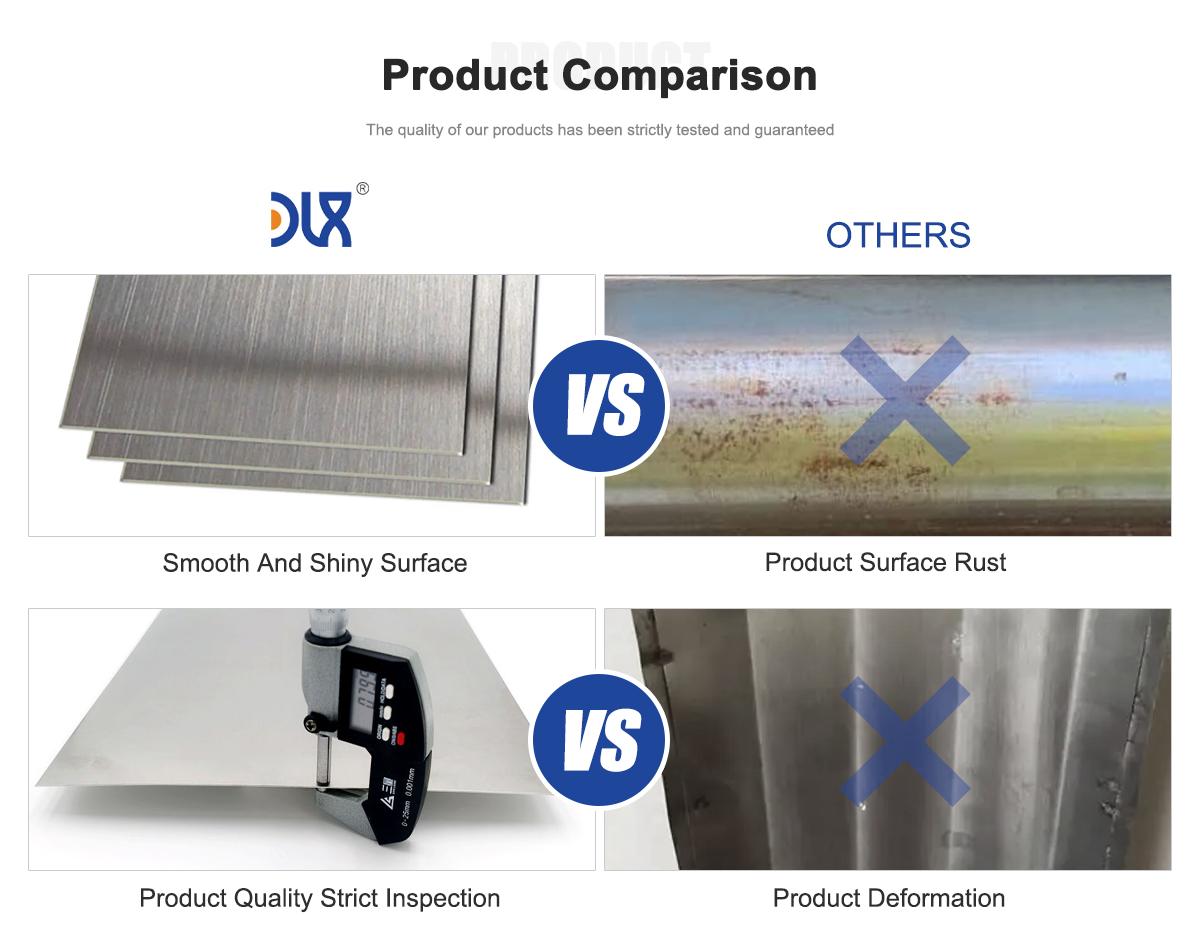
Our customers in signal control manufacturing often mention that DLX’s plates require minimal post-processing and deliver predictable performance during calibration, significantly reducing their downstream production costs.


About Us:
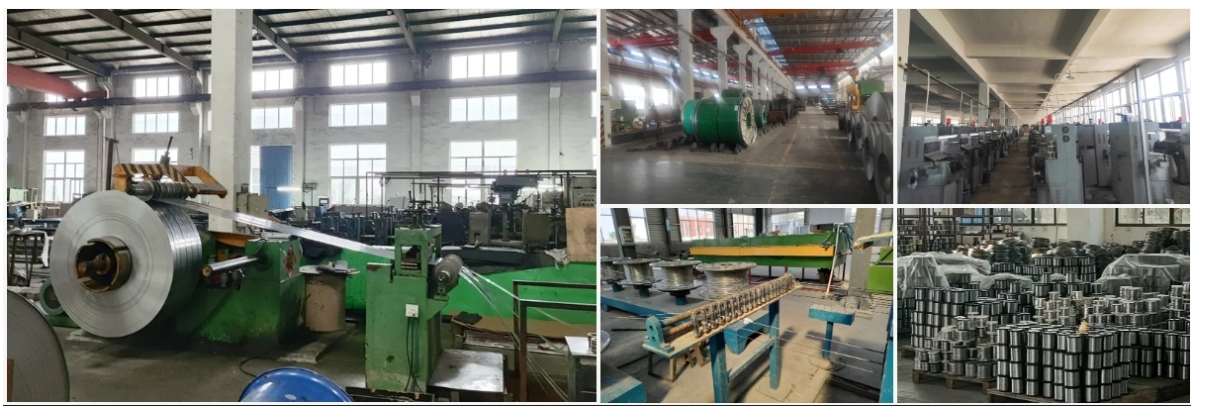
Our 12,000㎡ factory is equipped with complete capabilities for research, production, testing, and packaging. We strictly adhere to ISO 9001 standards in our production processes, with an annual output of 1,200 tons. This ensures that we meet both quantity and quality demands. Furthermore, all products undergo rigorous simulated environment testing including high temperature, high pressure, and corrosion tests before being dispatched, ensuring they meet customer specifications.
For all our clients, we offer timely and multilingual after-sales support and technical consulting, helping you resolve any issues swiftly and efficiently.
Client Visits
Building Stronger Partnerships

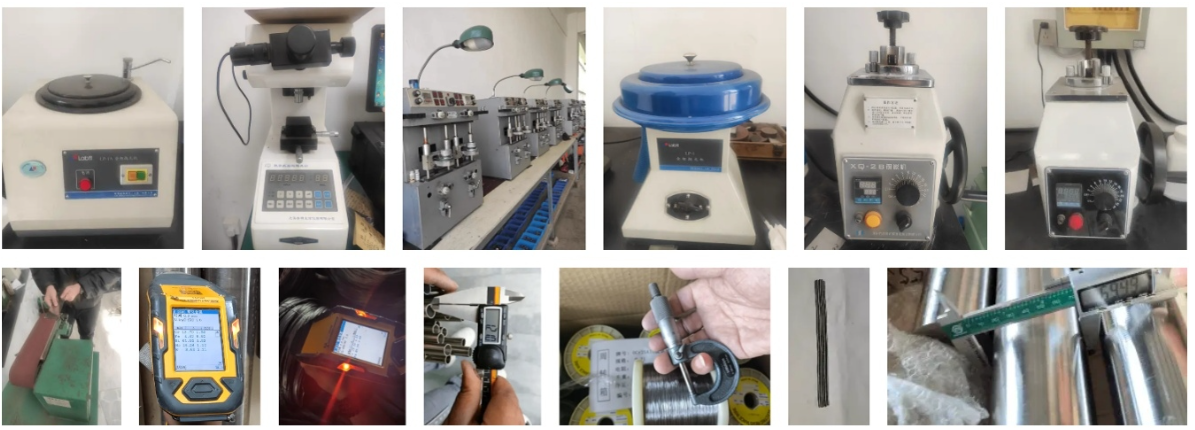
We support all kinds of testing:

FAQs:
1. What makes DLX’s 4J49 plate suitable for signal control systems?
Its combination of high permeability and low coercivity ensures rapid response to weak signal variations, reducing interference in precision control systems.
2. Can DLX provide custom thickness and plate dimensions?
Yes. We support customized specifications between 0.05mm–3mm thickness, cut precisely to drawing or tolerance requests.
3. How does annealing improve the magnetic properties?
Hydrogen or vacuum annealing relieves internal stress and aligns magnetic domains, boosting permeability and minimizing hysteresis loss.
4. Is there third-party certification available?
All batches can be certified through SGS or ISO-compliant tests verifying chemical composition and magnetic performance.
5. What’s the typical delivery time?
For standard thicknesses, 7–10 days; for custom dimensions or heat treatment, usually within 15–20 days.
6. Can it be used in high-frequency environments?
Yes. Its stable magnetic performance and low eddy current losses make it suitable for high-frequency signal systems.
7. What are common industries using 4J49 alloy?
Aerospace, communication, medical electronics, sensor manufacturing, and industrial automation.
8. How does DLX ensure long-term consistency?
We track every production batch with digital records of chemical analysis, heat treatment profile, and permeability test data, ensuring traceable quality control.
The DLX 4J49 Nickel-Iron Alloy Plate delivers exceptional sensitivity, stability, and adaptability for today’s signal control and magnetic shielding systems. With over a decade of manufacturing and engineering experience, we understand how magnetic materials behave in real applications. Through in-house process control, verified testing, and customer collaboration, DLX ensures that every 4J49 plate we ship provides the performance our clients rely on — from the first prototype to mass production.
As precision electronics continue to evolve, DLX remains committed to developing and supplying high-sensitivity alloys that help engineers achieve cleaner signals, more stable systems, and higher operational reliability.