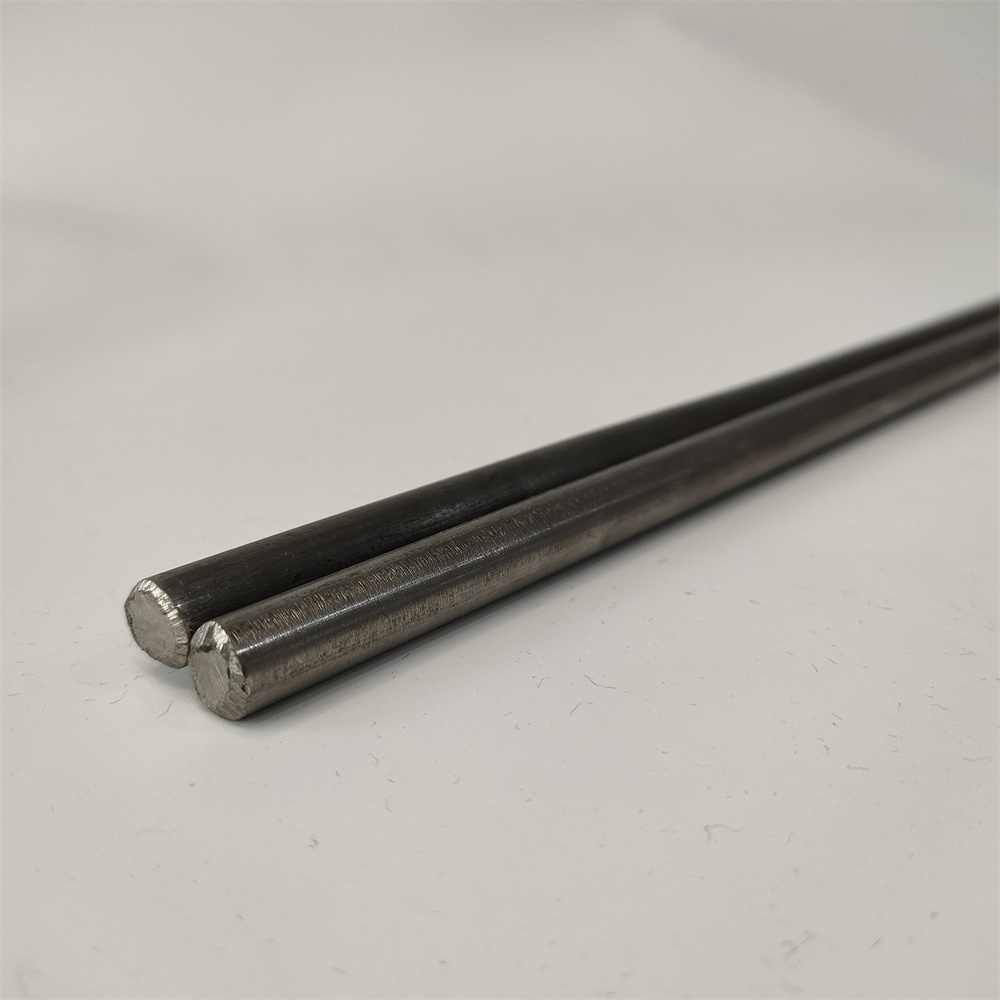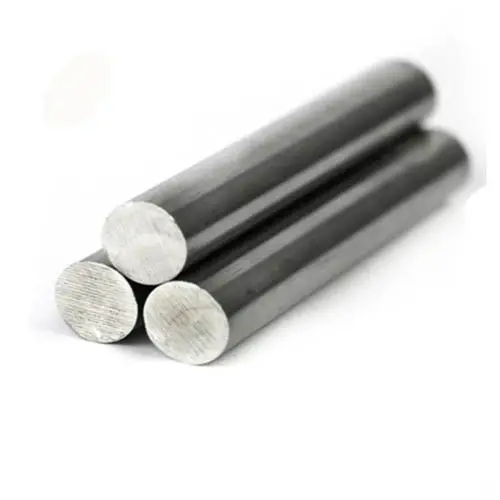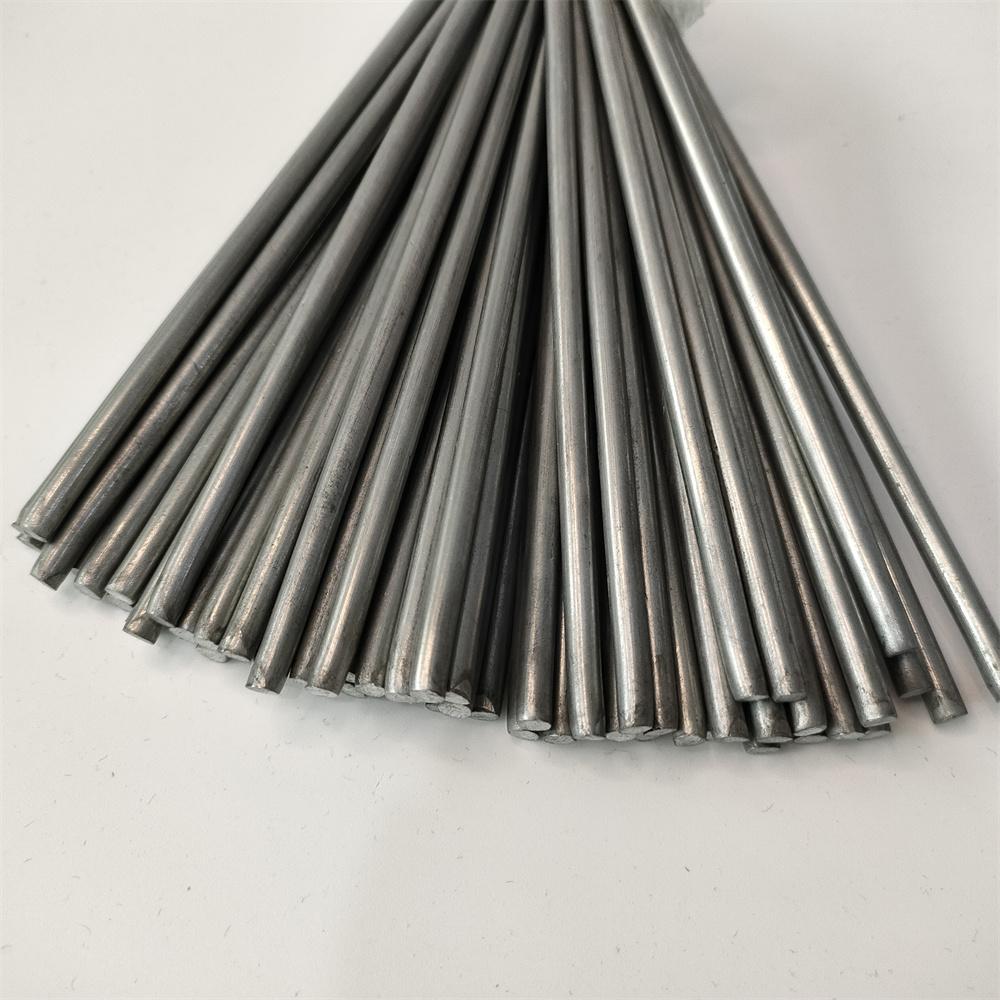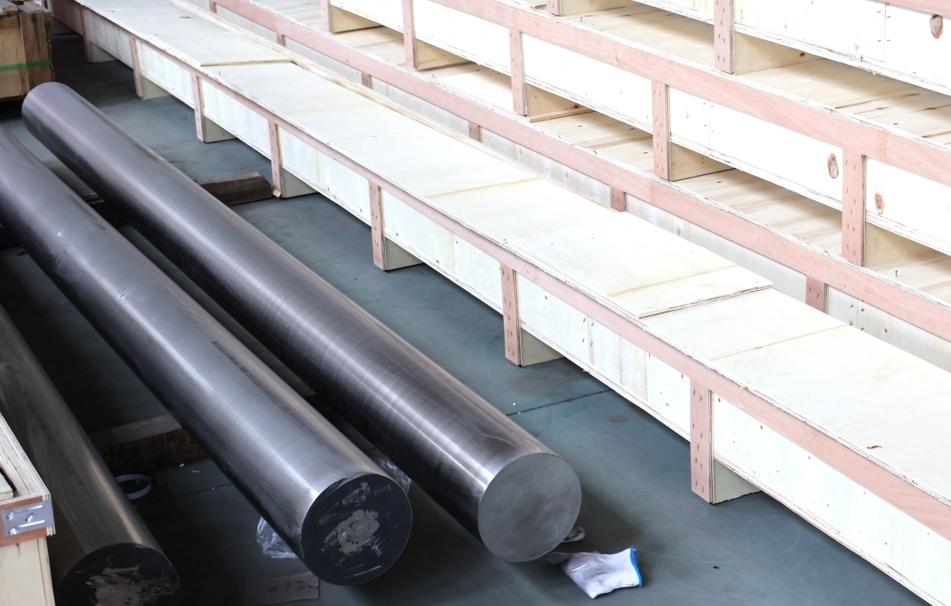
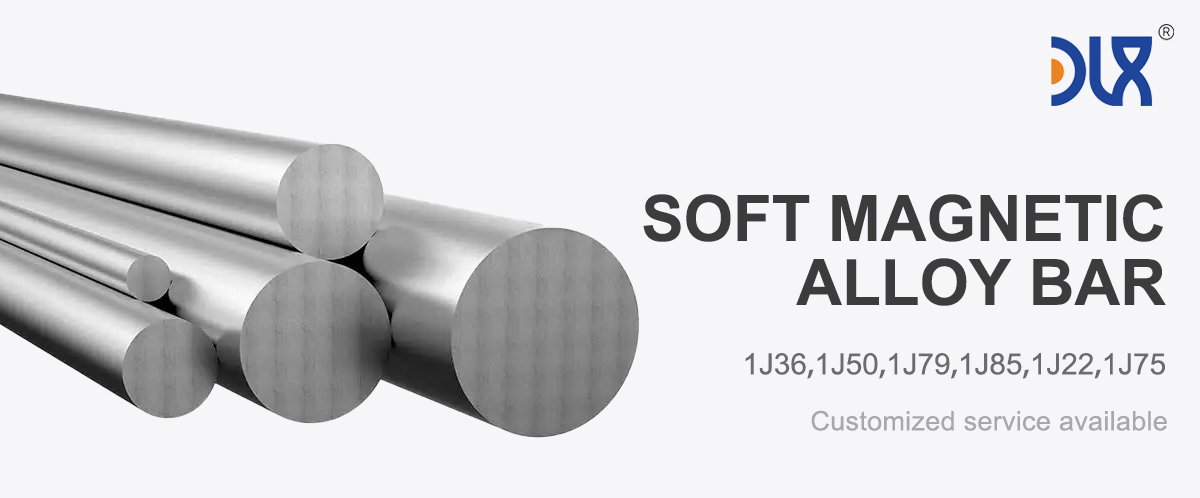
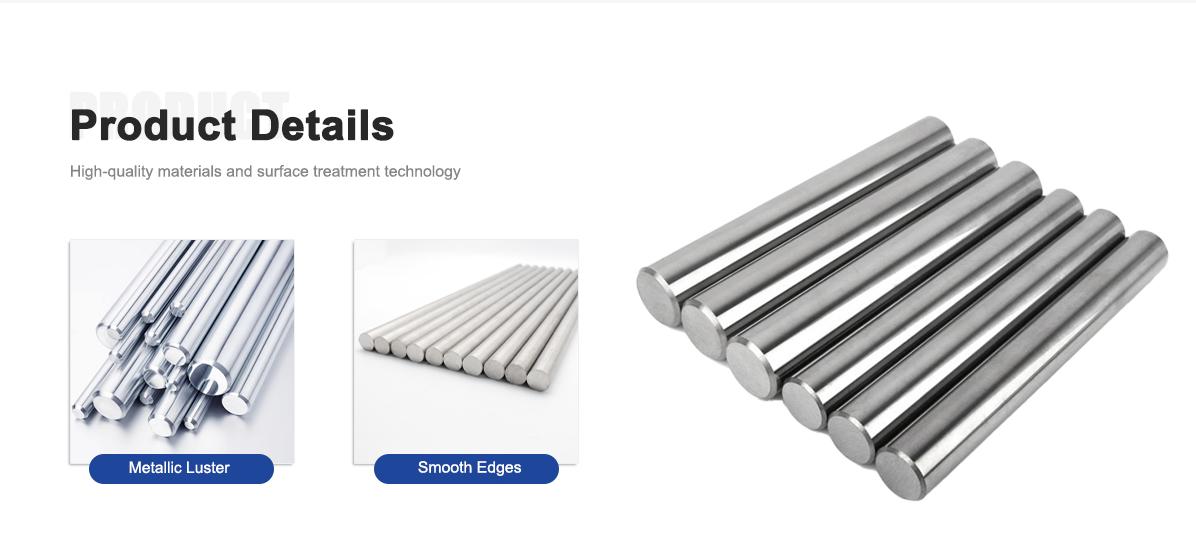
At DLX, we understand that precision and reliability start with material quality. Our 1J85 Nickel Alloy Bar represents the perfect combination of magnetic precision, thermal stability, and mechanical strength. This material has become one of our most trusted alloys for high-end industrial, aerospace, and energy applications.
1J85 is a nickel–iron Soft Magnetic Alloy with a carefully controlled composition. With roughly 45% nickel and the balance iron, it delivers high magnetic permeability and low coercivity, making it ideal for components that require accurate magnetic response and minimal signal interference.
One of its key advantages is its low thermal expansion coefficient, ensuring stable dimensions even under temperature fluctuations. This makes it perfect for sensitive instruments and mechanical assemblies where precision cannot be compromised.
|
Alloy Grades |
C |
S |
P |
Mn |
Si |
Ni |
Cr |
Co |
Mo |
Cu |
Al |
Nb |
Fe |
Other Elements |
|---|---|---|---|---|---|---|---|---|---|---|---|---|---|---|
|
1J06 |
0.04 |
0.015 |
0.015 |
≤0.10 |
≤0.15 |
- |
- |
- |
- |
- |
5.5-6.5 |
- |
Rest |
- |
|
1J12 |
0.03 |
0.015 |
0.015 |
≤0.10 |
≤0.15 |
- |
- |
- |
- |
- |
11.6-12.4 |
- |
Rest |
- |
|
1J17 |
0.03 |
0.02 |
0.02 |
≤0.60 |
≤0.20 |
- |
15.5-16.5 |
- |
- |
- |
- |
- |
Rest |
- |
|
1J18 |
0.03 |
0.02 |
0.02 |
0.3-0.7 |
≤0.15 |
0.5-0.7 |
17-18.5 |
- |
- |
- |
- |
- |
Rest |
Ti: 0.3-0.7 |
|
1J22 |
0.04 |
0.02 |
0.02 |
≤0.3 |
≤0.3 |
≤0.5 |
- |
49-51 |
- |
≤0.2 |
- |
- |
Rest |
V: 0.8-1.8 |
|
1J30 |
0.04 |
0.02 |
0.02 |
≤0.40 |
≤0.30 |
29.5-30.5 |
- |
- |
- |
- |
- |
- |
Rest |
- |
|
1J36 |
0.03 |
0.02 |
0.02 |
≤0.60 |
≤0.20 |
35.0-37.0 |
- |
- |
- |
- |
- |
- |
Rest |
- |
|
1J38 |
0.03 |
0.05 |
0.02 |
0.3-0.6 |
0.15-0.3 |
37.5-38.5 |
12.5-13.5 |
- |
- |
- |
- |
- |
Rest |
- |
|
1J46 |
0.03 |
0.02 |
0.02 |
0.6-1.1 |
0.15-0.3 |
45.0-46.5 |
- |
- |
- |
≤0.2 |
- |
- |
Rest |
- |
|
0.03 |
0.02 |
0.02 |
0.3-0.6 |
0.15-0.3 |
49-50.5 |
- |
- |
- |
≤0.2 |
- |
- |
Rest |
- |
|
|
1J51 |
0.03 |
0.02 |
0.02 |
0.3-0.6 |
0.15-0.3 |
49-50.5 |
- |
- |
- |
≤0.2 |
- |
- |
Rest |
- |
|
1J54 |
0.03 |
0.02 |
0.02 |
0.3-0.6 |
1.1-1.4 |
49.5-51 |
3.8-4.2 |
- |
- |
≤0.2 |
- |
- |
Rest |
- |
|
1J76 |
0.03 |
0.02 |
0.02 |
0.3-0.6 |
0.15-0.3 |
75.0-76.5 |
1.8-2.2 |
- |
- |
4.8-5.2 |
- |
- |
Rest |
- |
|
1J77 |
0.03 |
0.02 |
0.02 |
0.3-0.6 |
0.15-0.3 |
75.5-78 |
- |
- |
3.9-4.5 |
4.8-6.0 |
- |
- |
Rest |
- |
|
1J79 |
0.03 |
0.02 |
0.02 |
0.6-1.10 |
0.3-0.5 |
78.5-80.0 |
- |
- |
3.8-4.1 |
≤0.2 |
- |
- |
Rest |
- |
|
1J80 |
0.03 |
0.02 |
0.02 |
0.6-1.10 |
1.1-1.5 |
79.0-81.5 |
2.6-3.0 |
- |
- |
≤0.2 |
- |
- |
Rest |
- |
|
1J85 |
0.03 |
0.02 |
0.02 |
0.3-0.60 |
0.15-0.3 |
79.0-81.0 |
- |
- |
4.8-5.2 |
≤0.2 |
- |
- |
Rest |
- |
|
1J87 |
0.03 |
0.02 |
0.02 |
0.3-0.6 |
≤0.3 |
78.5-80.5 |
- |
- |
1.6-2.2 |
- |
- |
6.5-7.5 |
Rest |
- |
For more details, pls directly contact us.
-
Aerospace Industry: 1J85 is widely used in aircraft sensors, gyroscopes, and navigation devices. Its dimensional stability ensures flight instruments maintain accuracy during altitude and temperature changes.
-
Energy Sector: In power generation and nuclear systems, 1J85 is used in magnetic cores, turbine control sensors, and electromagnetic shielding. It performs reliably under high heat and magnetic stress.
-
Industrial Manufacturing: The alloy finds applications in actuators, measuring tools, and automation systems that demand high accuracy and minimal drift.
-
Electronics and Instrumentation: 1J85 is favored for magnetic sensors, transformer cores, and shielding housings, ensuring stable magnetic performance and low loss.
Comparison Table – 1J85 vs. Other Nickel Alloys
| Property | 1J85 Nickel Alloy | 1J79 Alloy | Invar 36 | Remarks |
|---|---|---|---|---|
| Nickel Content (%) | 45 | 50 | 36 | Balanced for stability and performance |
| Iron Content (%) | 54.2 | 49 | 64 | Ensures mechanical strength and toughness |
| Coefficient of Thermal Expansion (10⁻⁶/K) | 0.6 | 0.8 | 1.2 | Low expansion ensures dimensional accuracy |
| Magnetic Permeability (Hc) | 1.0 A/m | 1.2 A/m | — | Excellent for magnetic precision |
| Tensile Strength (MPa) | 520 | 500 | 480 | Reliable under stress and vibration |
| Elongation (%) | 18 | 16 | 14 | Good ductility and machinability |
| Corrosion Resistance | Good | Moderate | Moderate | Long service life in industrial environments |
| Working Temperature Range (°C) | -60 ~ 500 | -50 ~ 450 | -100 ~ 400 | Wide range for aerospace and energy use |
The demand for advanced nickel alloys like 1J85 is rising, driven by the expansion of aerospace programs, renewable energy development, and automation in manufacturing. Precision alloys are becoming essential for new technologies that require reliable performance under extreme or variable conditions.
With industries shifting toward high-precision automation, the need for materials with low magnetic hysteresis and minimal dimensional change is increasing. 1J85 fits this profile perfectly. DLX continues to innovate in alloy processing to meet this growing demand, offering consistent quality and technical support to global customers.
DLX Company Strengths
At DLX, our mission is to deliver not only materials but also confidence in performance. Here’s how we set ourselves apart:
-
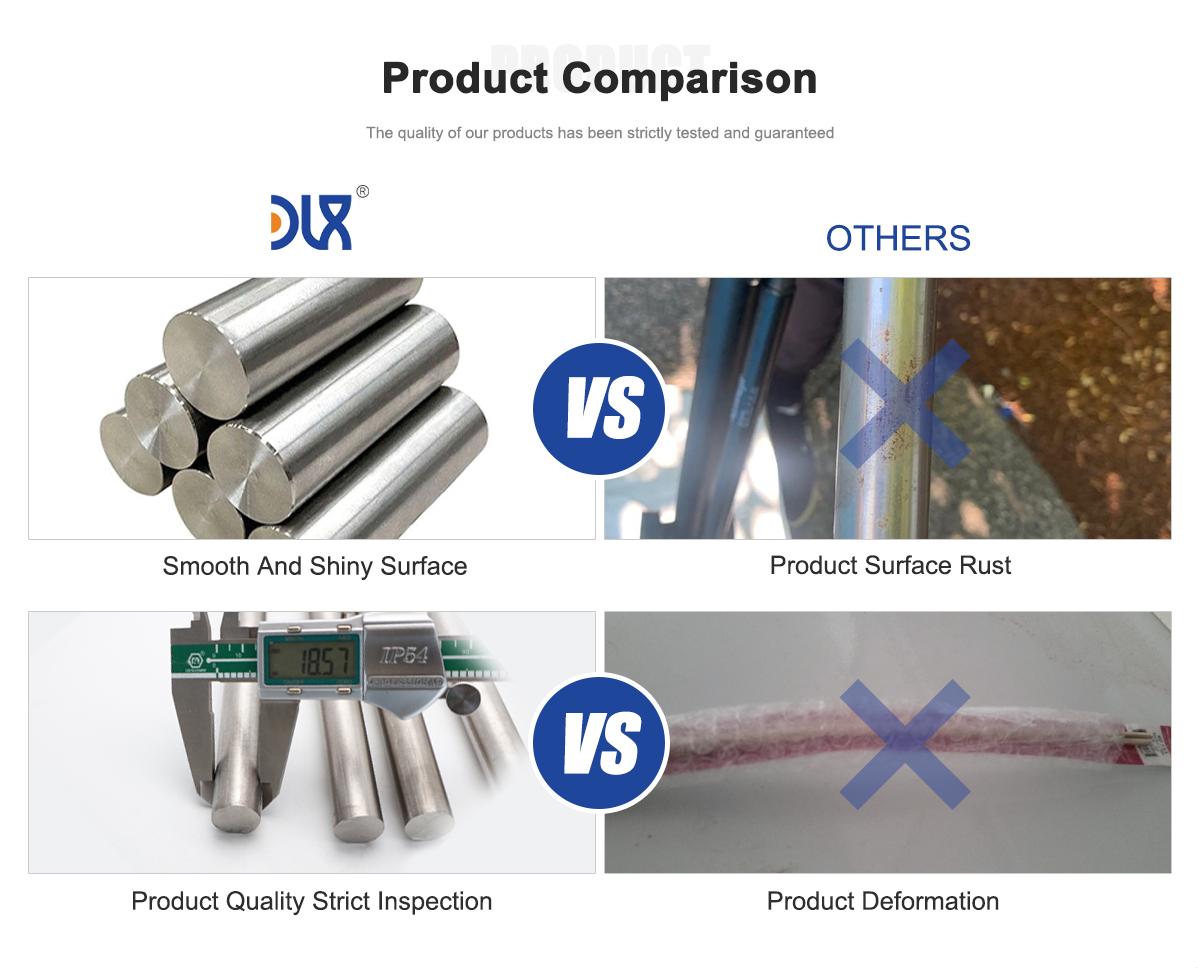
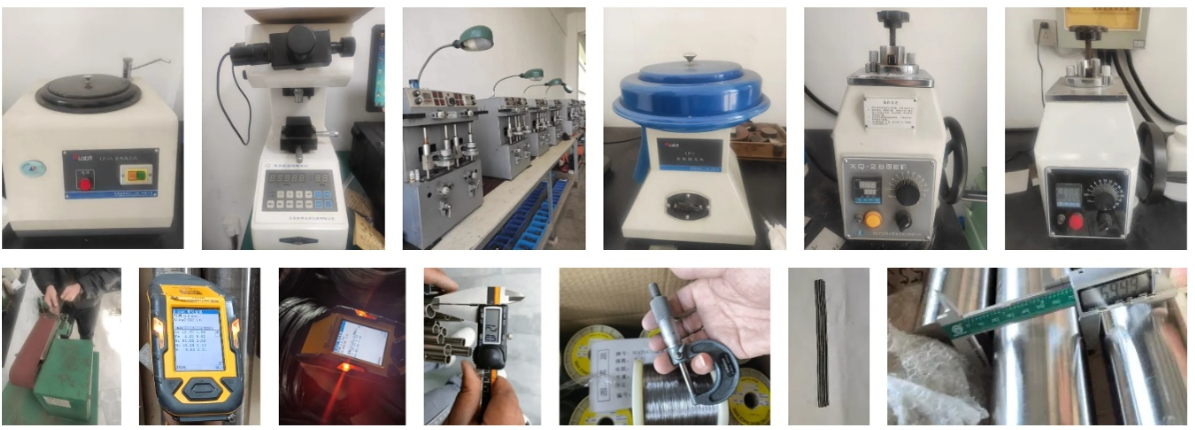
Rigorous Quality Testing: Every batch of 1J85 undergoes strict testing for composition accuracy, tensile strength, and magnetic consistency.
-
Precision Manufacturing: Our bars are produced with uniform grain structure and tight dimensional tolerances, ensuring excellent machinability and repeatability.
-
Custom Specifications: DLX offers tailored dimensions, finishes, and mechanical treatments to match customer requirements across industries.
-
Technical Expertise: Our metallurgical engineers provide guidance on alloy selection, processing, and heat treatment to help customers optimize performance.
-
Reliable Global Supply: With a strong logistics network and production capacity, DLX ensures stable and timely delivery worldwide.
-
Sustainability: DLX prioritizes energy-efficient production and waste recycling to reduce environmental impact while maintaining high material standards.
Performance Comparison and Advantages
When comparing 1J85 with other nickel alloys, DLX’s product offers a distinct advantage in terms of stability, magnetic precision, and processing adaptability. Unlike high-nickel alloys that may lose dimensional accuracy under heat, 1J85 maintains its structural integrity thanks to its balanced nickel–iron composition.
This combination of thermal stability and mechanical resilience makes it a versatile material for long-term industrial and aerospace applications. It performs reliably in environments where vibration, heat, and magnetic interference can impact system performance.
1J85 is well-suited for machining, forging, and welding. It can be annealed or cold-worked based on performance requirements. DLX provides detailed recommendations for each process, helping clients achieve optimal results. From prototype development to large-scale production, our expertise ensures consistent outcomes every time.
As industries pursue lighter, stronger, and more reliable materials, alloys like 1J85 will continue to gain prominence. DLX is committed to advancing alloy science, improving purity, and refining mechanical properties to support emerging technologies — from aerospace sensors to energy-efficient automation systems.
Our commitment to innovation, precision, and reliability means that DLX’s 1J85 Nickel Alloy Bars are not just materials — they’re part of the foundation for the future of engineering.
Whether for high-temperature energy systems, precision navigation instruments, or magnetic shielding in aerospace electronics, our 1J85 bars offer proven performance and long-term stability. At DLX, we don’t just supply alloys; we provide solutions that drive progress.
About Us:
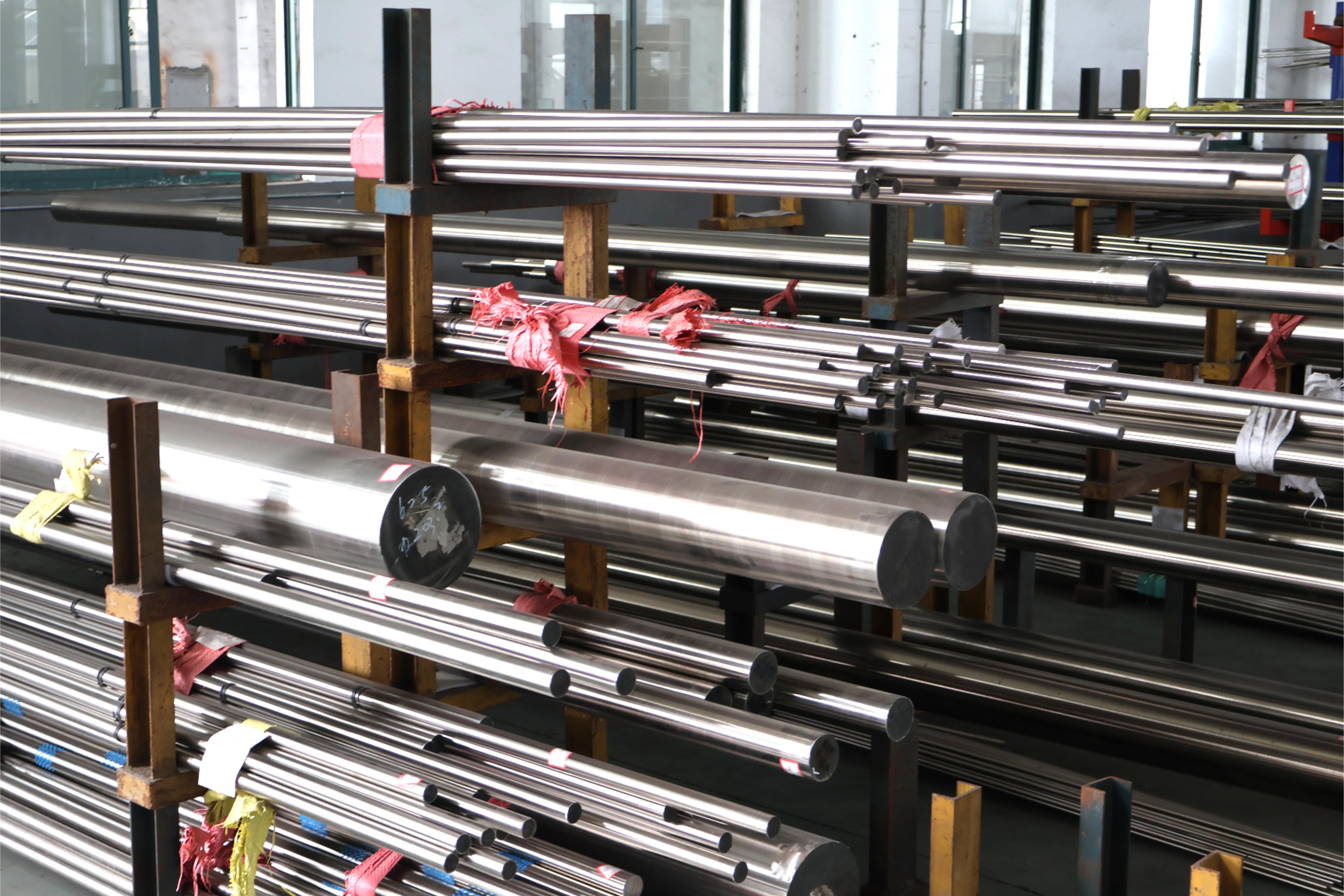
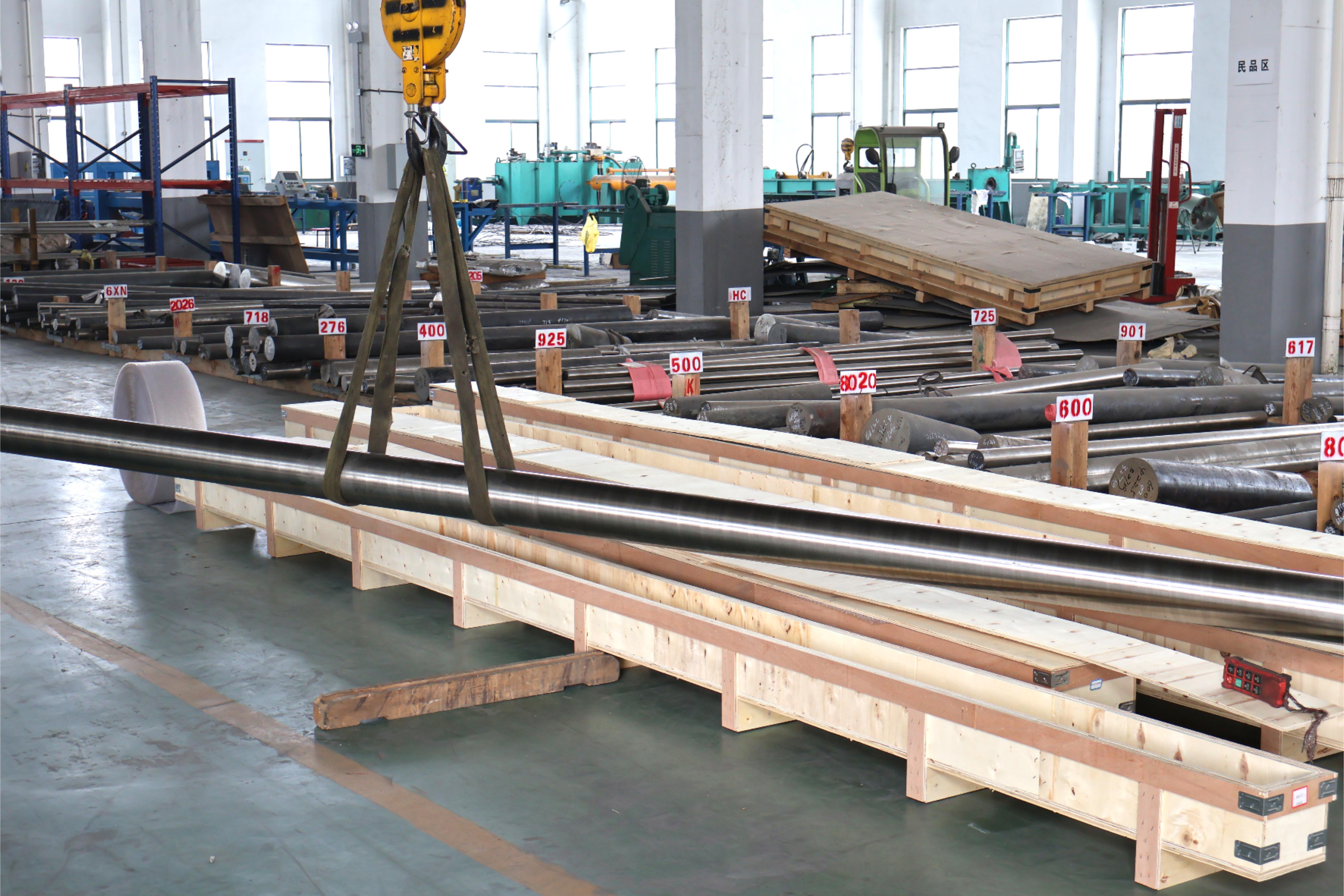
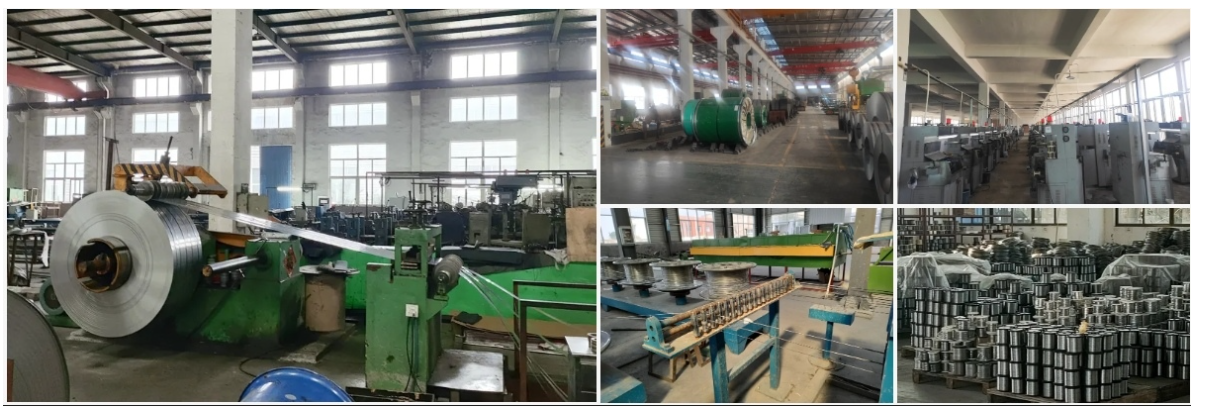
Our 12,000㎡ factory is equipped with complete capabilities for research, production, testing, and packaging. We strictly adhere to ISO 9001 standards in our production processes, with an annual output of 1,200 tons. This ensures that we meet both quantity and quality demands. Furthermore, all products undergo rigorous simulated environment testing including high temperature, high pressure, and corrosion tests before being dispatched, ensuring they meet customer specifications.
For all our clients, we offer timely and multilingual after-sales support and technical consulting, helping you resolve any issues swiftly and efficiently.
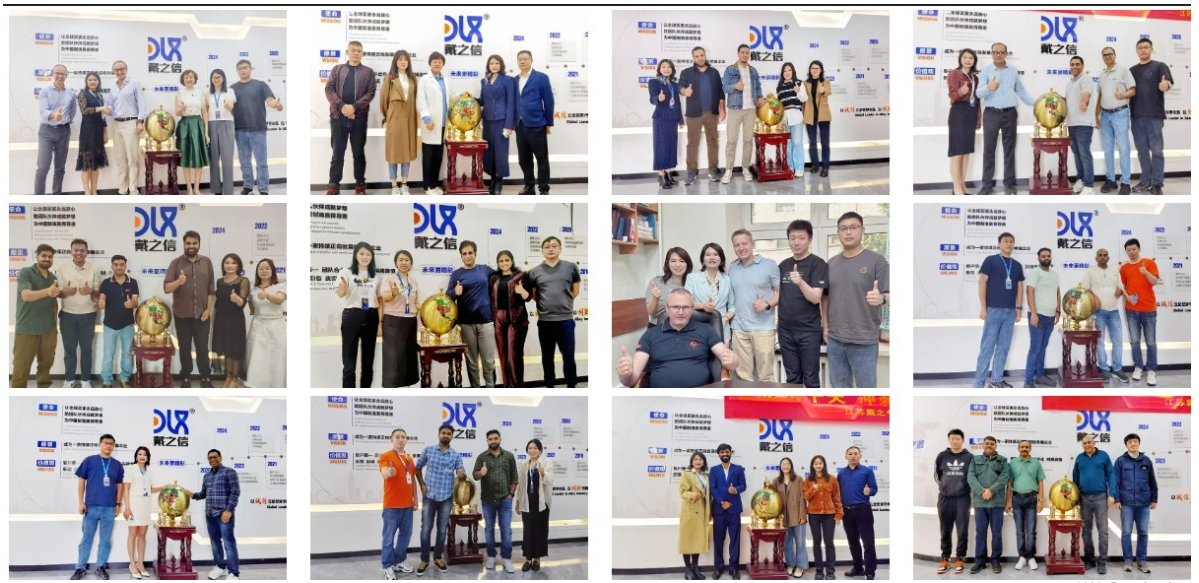
Client Visits
Building Stronger Partnerships
We support all kinds of testing:

FAQs
1. What is 1J85 Nickel Alloy?
1J85 is a nickel–iron alloy known for its high magnetic permeability, low coercive force, and excellent dimensional stability. It’s designed for high-precision components used in aerospace, energy, and industrial applications.
2. What makes 1J85 unique?
Its low thermal expansion and stable magnetic properties make 1J85 ideal for environments with changing temperatures or strong magnetic fields, ensuring reliable performance over time.
3. What are the main applications of 1J85 Nickel Alloy?
It’s used in aerospace navigation systems, magnetic shielding, transformers, sensors, and precision measuring instruments where accuracy and reliability are crucial.
4. How does 1J85 perform in high-temperature environments?
1J85 maintains its structural integrity and magnetic properties at elevated temperatures, making it suitable for turbines, sensors, and industrial control equipment.
5. Is 1J85 resistant to corrosion?
Yes. While not a stainless steel, it has good resistance to oxidation and mild corrosion, suitable for long-term use in stable industrial and laboratory environments.
6. Can 1J85 be machined easily?
Yes. It can be machined using conventional techniques. DLX provides recommendations for cutting speeds and heat treatments to maintain material stability during processing.
7. How does 1J85 compare with other nickel alloys?
Compared with standard nickel alloys, 1J85 offers superior dimensional stability and magnetic performance, making it ideal for precision and aerospace applications.
8. What standards does DLX’s 1J85 Nickel Alloy Bar meet?
DLX’s 1J85 bars comply with national and international standards, ensuring reliable chemical composition, tensile strength, and magnetic consistency.