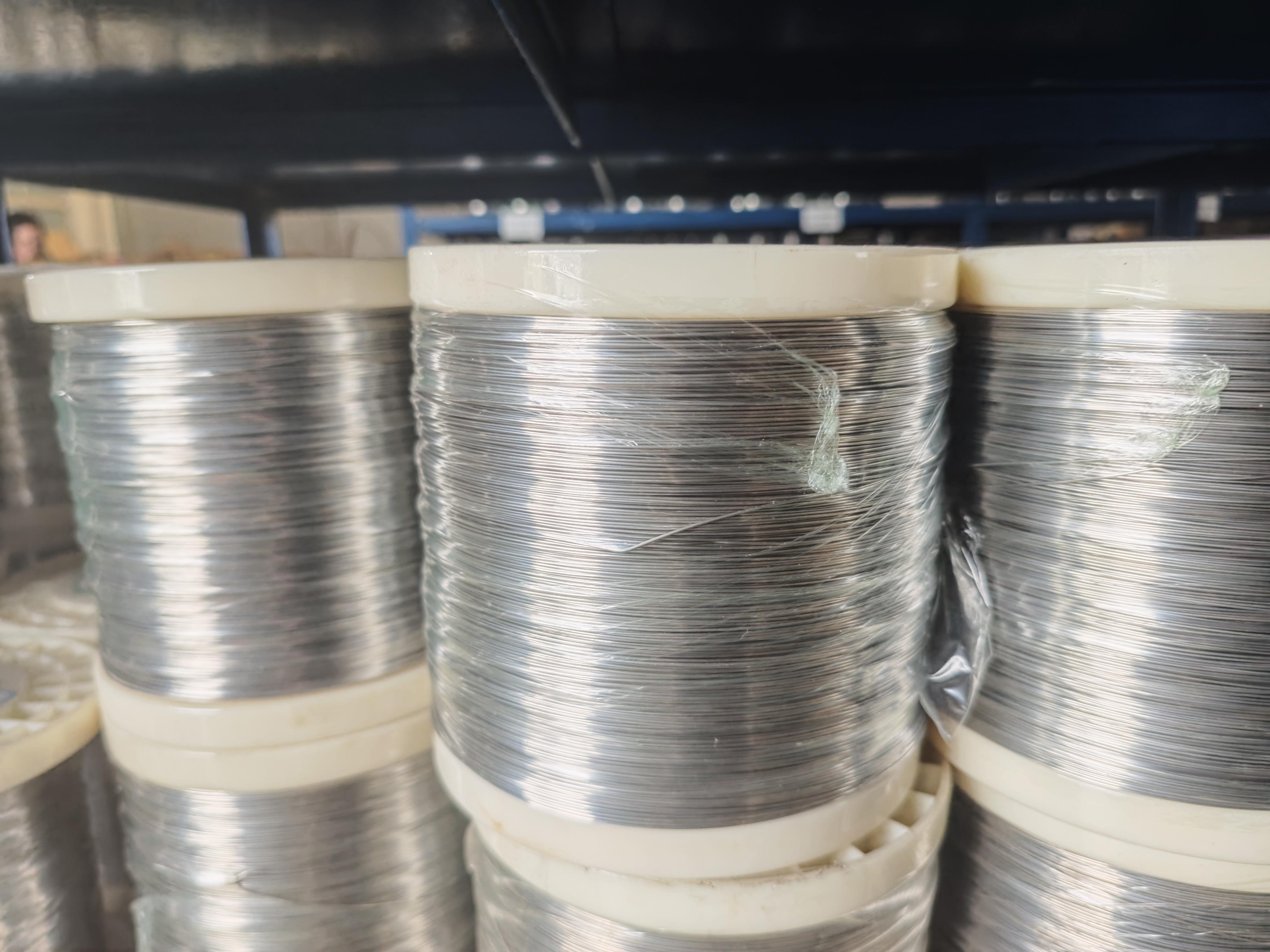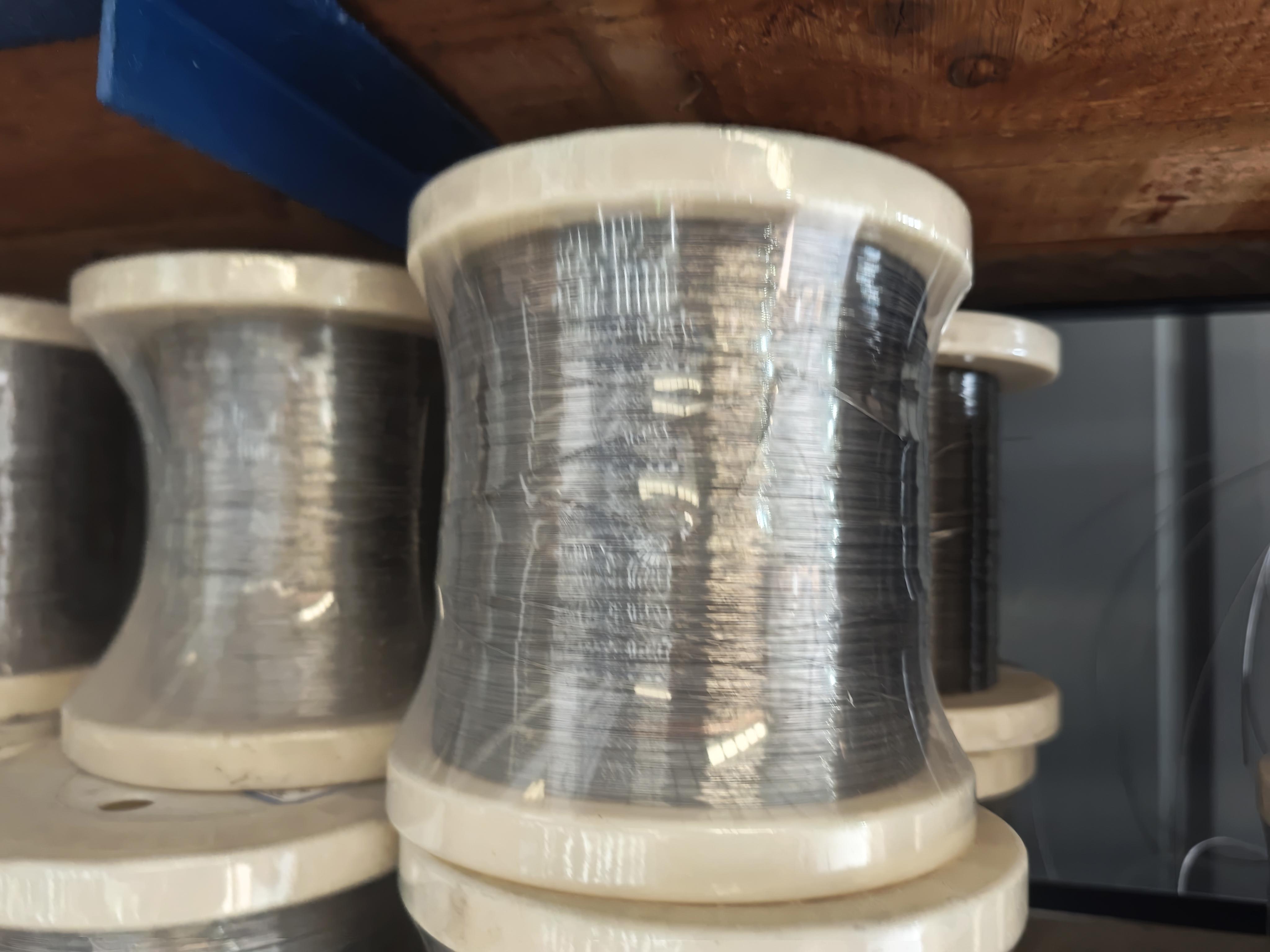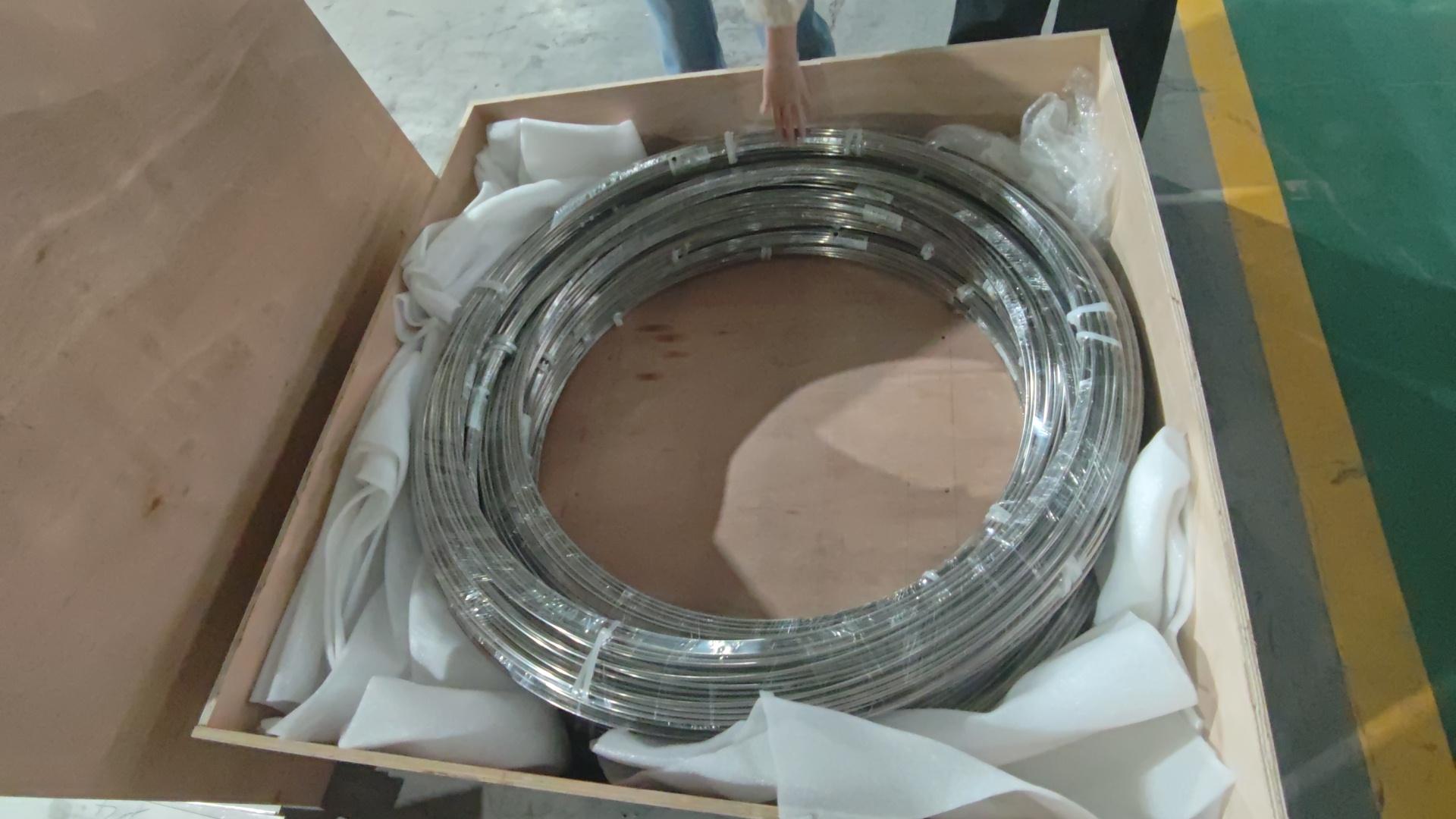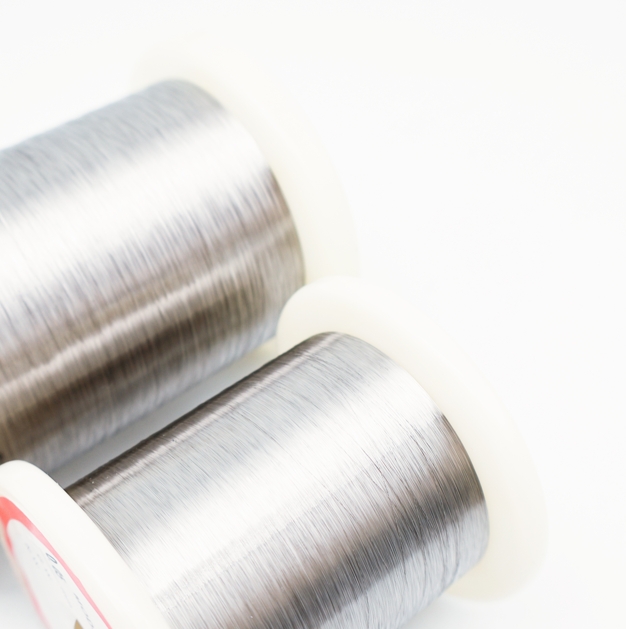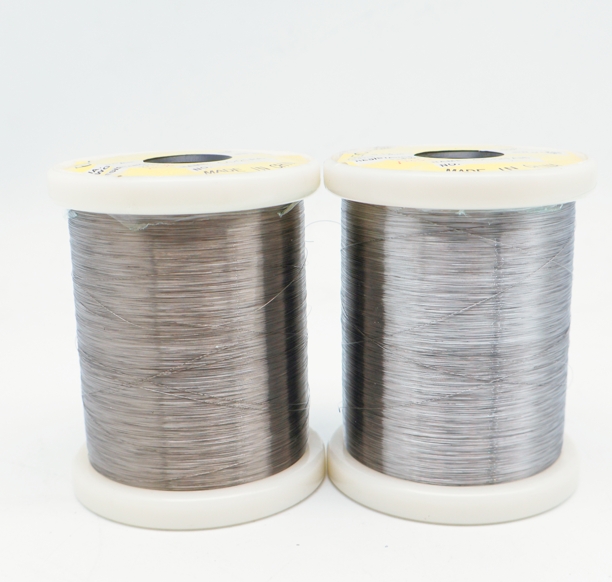
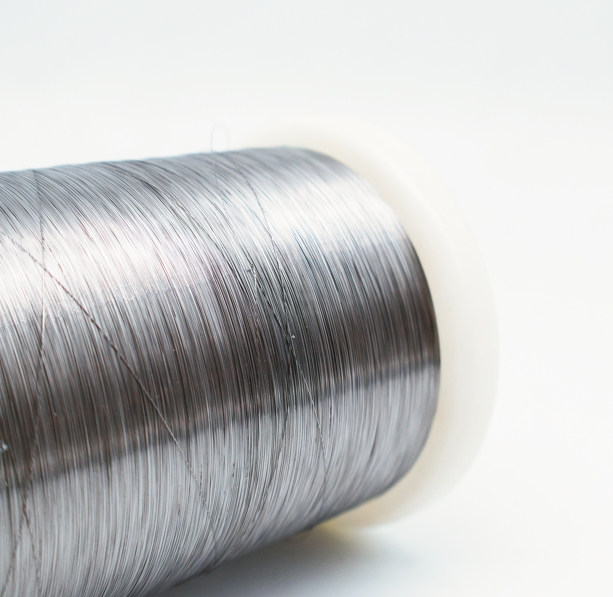
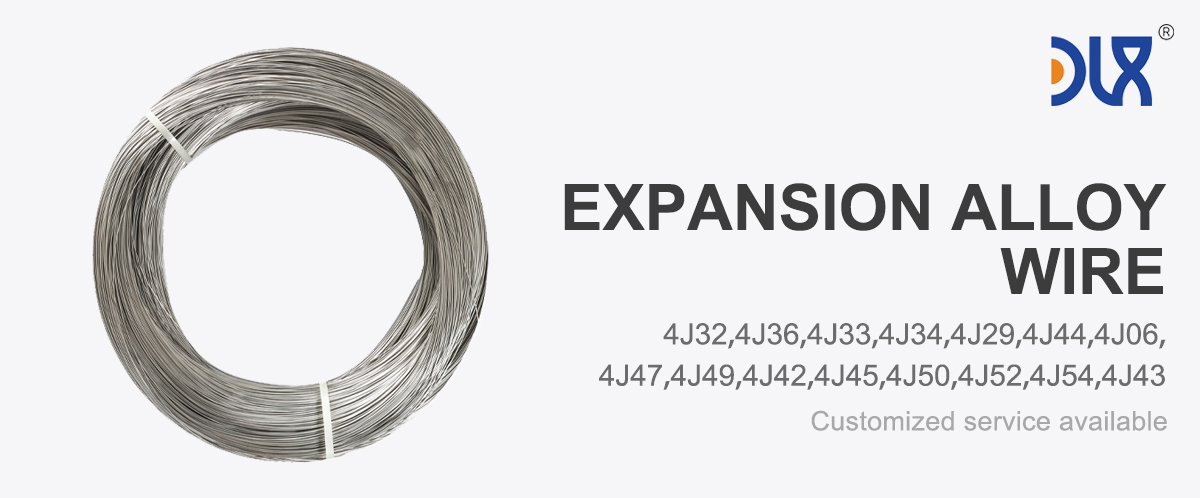
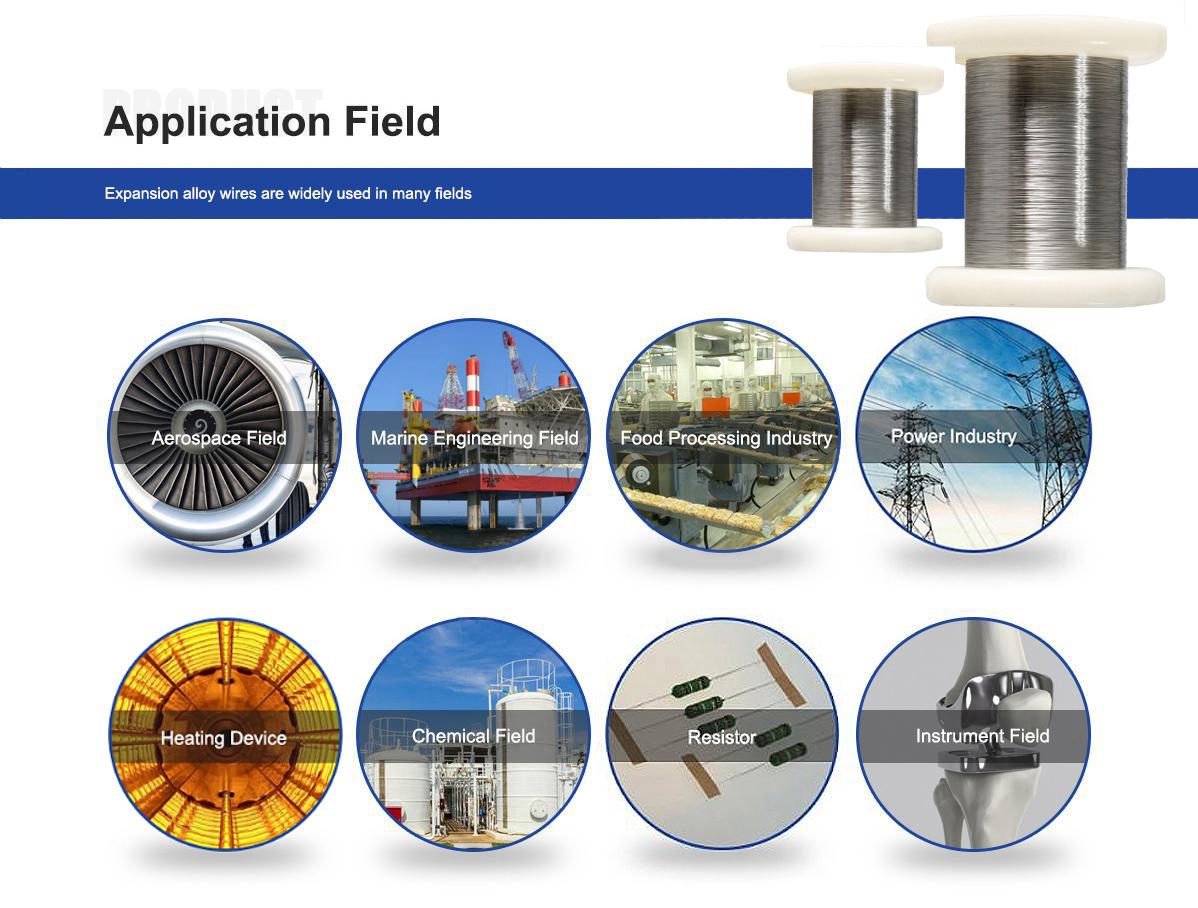
Our Invar 4J36 Nickel-Iron Alloy Wire is a top choice for aerospace and composite molding, offering ultra-low thermal expansion for precision components. With 36% nickel and 64% iron, it delivers a CTE of ~1.2–1.5 ppm/°C (20-100°C), keeping parts stable through temperature shifts. It’s durable, corrosion-resistant, and easy to work with, making it perfect for high-accuracy applications. Whether you’re building aerospace tooling or composite molds, our 4J36 wire ensures unmatched reliability.
For more details, pls directly contact us.
The aerospace and composite manufacturing sectors are soaring, with a projected CAGR of 5.9% through 2032, driven by demand for lightweight, high-precision materials. Composite molding is critical for aircraft and satellite components, where thermal stability is non-negotiable. The rise of advanced manufacturing and miniaturization in electronics and aerospace is pushing the need for alloys like our 4J36, which offer exceptional dimensional stability. As industries aim for efficiency and precision, our wire is perfectly positioned to meet these evolving demands.
| Elements | 4J29 | 4J36 | |
| Carbon (C) | Not greater than | 0.03 | 0.05 |
| Sulfur (S) | 0.02 | 0.02 | |
| Phosphorus (P) | 0.02 | 0.02 | |
| Manganese (Mn) | ≤0.50 | 0.20-0.60 | |
| Silicon (Si) | ≤0.30 | ≤0.30 | |
| Nickel (Ni) | 28.5-29.5 | 35.0-37.0 | |
| Chromium (Cr) | - | - | |
| Cobalt (Co) | 16.8-17.8 | - | |
| Iron (Fe) | Rest | Rest | |
| Other Elements |
| Alloy Grade | 20°C-100°C | 20°C-300°C | 20°C-500°C |
| 4J36 Invar Alloy | 1.2×10⁻⁶ /°C | 2.5×10⁻⁶ /°C | - |
| 4J29 Kovar Alloy | 4.6×10⁻⁶ /°C | 5.5×10⁻⁶ /°C | 6.2×10⁻⁶ /°C |
| Alloy Grade | 4J36 Invar Alloy | 4J29 Kovar Alloy |
| Density (g/cm³) | 8.1 | 8.2 |
| Tensile Strength (MPa) | 500-600 | 600-700 |
| Yield Strength (MPa) | 250-350 | 300-400 |
| Hardness (HV) | 150-200 | 200-250 |
| Alloy Grade | 4J36 Invar Alloy | 4J29 Kovar Alloy |
| Electrical Resistivity (10⁻⁶ Ω·cm) | 80 | 50 |
| Thermal Conductivity (W/m·K) | 10-12 | 16-18 |
For more details, pls directly contact us.
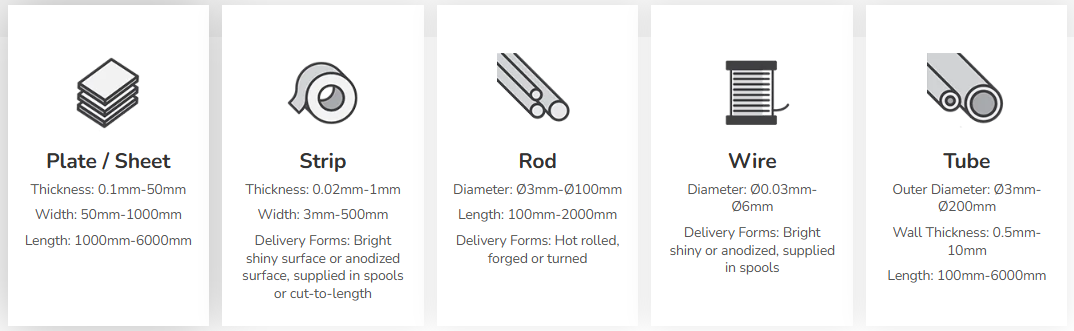
Our Invar 4J36 Nickel-Iron Alloy Wire is a workhorse in precision applications. In aerospace, it’s used for tooling and fixtures that demand exact tolerances during composite molding. Composite molds for aircraft parts rely on its stability to maintain shape under heat. It’s also found in precision sensors and optical systems, where minimal thermal expansion is critical. Electronics and scientific instruments, like seismographs and laser components, benefit from its reliability too. Wherever precision matters, our 4J36 wire delivers.
Comparison Table: Invar 4J36 vs. 4J54 Expansion Alloy vs. Alloy 42 ( 4J42 )
Parameter | Invar 4J36 | 4J54 Expansion Alloy | Alloy 42 (4J42) |
|---|---|---|---|
Composition | 36% Ni, 64% Fe | 54% Ni, 46% Fe | 42% Ni, 58% Fe |
CTE (ppm/°C, 20-100°C) | ~1.2–1.5 | ~5.1 (20-400°C) | ~4.0–4.7 (20-300°C) |
Temperature Range | -50°C to 230°C | -40°C to 400°C | -40°C to 300°C |
Curie Temperature | ~279°C | ~430°C | ~370°C |
Yield Strength (MPa) | ~260–300 | ~350 | ~310 |
Tensile Strength (MPa) | ~450–550 | ~560 | ~520 |
Density (g/cm³) | 8.05 | 8.24 | 8.12 |
Applications | Aerospace tooling, composite molds | Precision molds, optical systems | Semiconductor lead frames, seals |
Corrosion Resistance | Moderate | Excellent | Good |
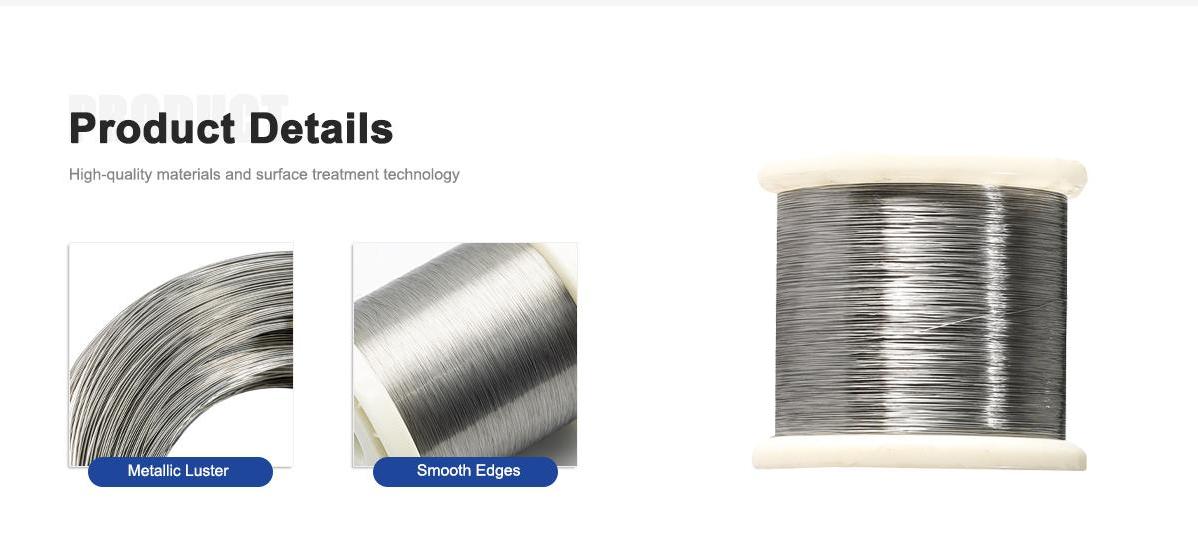
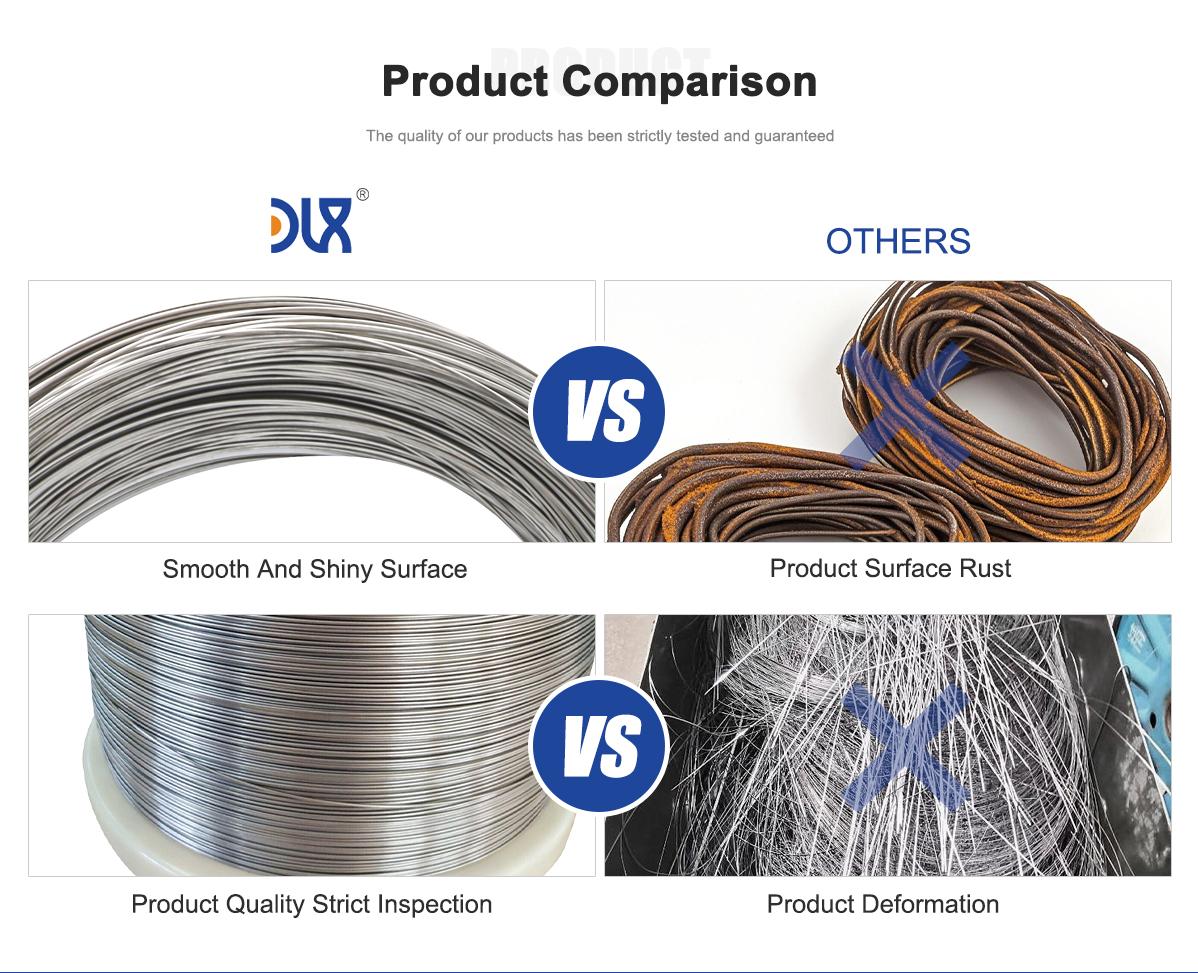
We know the market has plenty of alloy options, but our Invar 4J36 Nickel-Iron Alloy Wire stands out for its precision and quality. Our strict quality control ensures a consistent CTE and solid mechanical properties (yield strength ~260–300 MPa, tensile strength ~450–550 MPa). We offer customized wire sizes and forms to fit your exact specs, with faster delivery than many alternatives. Our efficient production process keeps costs low without compromising performance, and our alloy’s ultra-low CTE gives it an edge in aerospace and molding applications. With years of expertise, we’re your go-to partner for high-performance alloy solutions.
Why Choose Our Invar 4J36 Nickel-Iron Alloy Wire?
Our Invar 4J36 Nickel-Iron Alloy Wire is built for precision in aerospace and composite molding. Its ultra-low thermal expansion, durability, and workability make it ideal for tooling, sensors, and optical systems. Whether you’re crafting aircraft components or high-accuracy instruments, our wire ensures your parts stay stable and reliable. Contact us today to see how 4J36 can elevate your projects!
About Us:
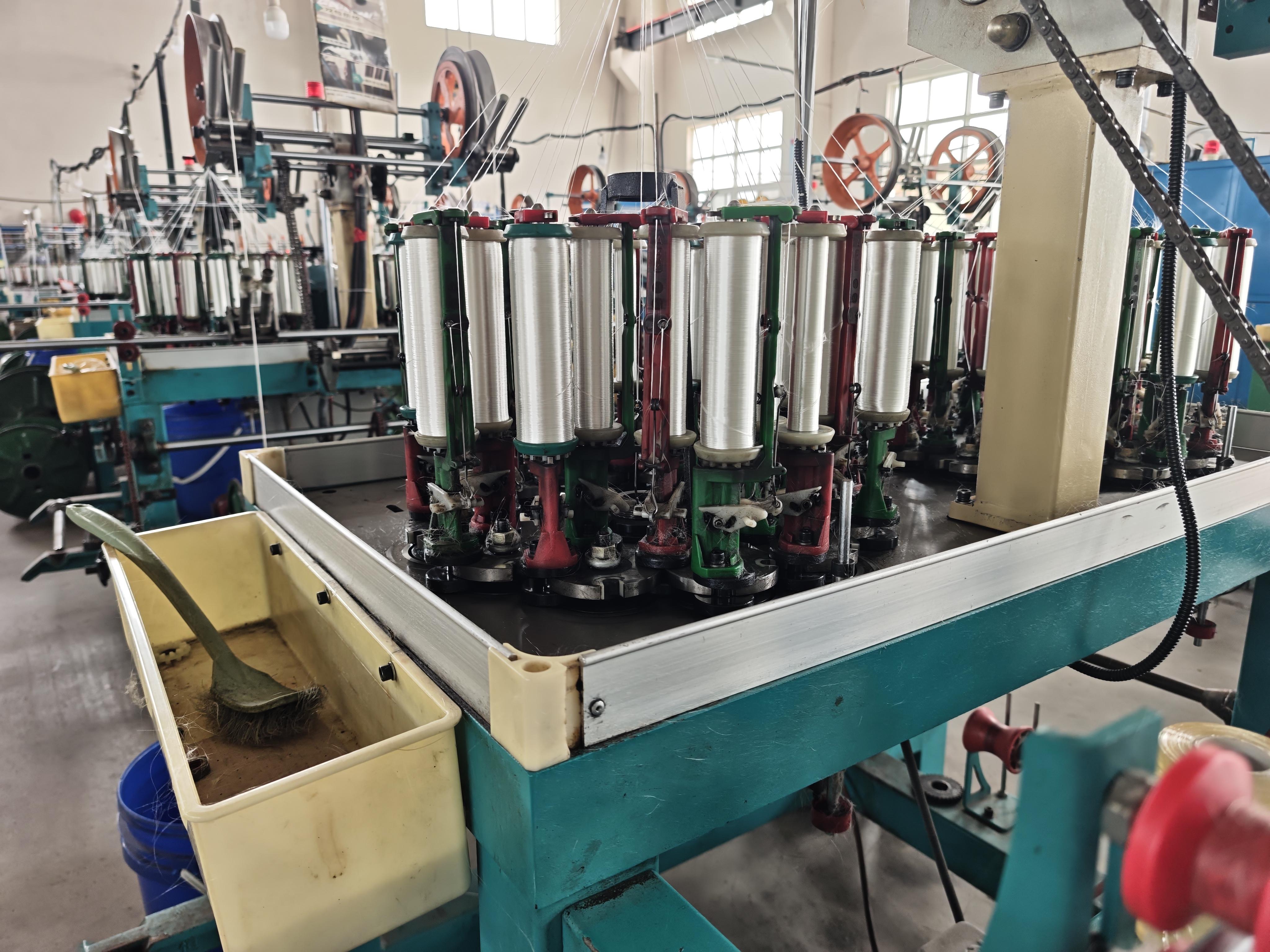
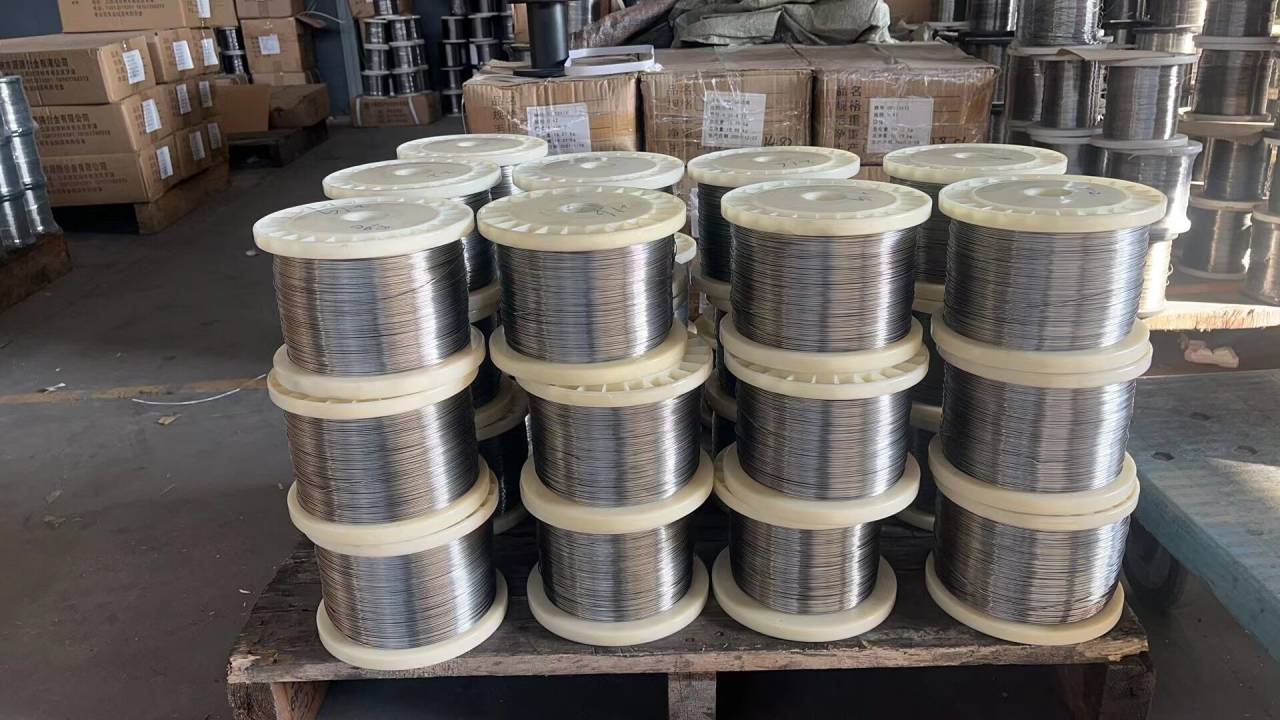
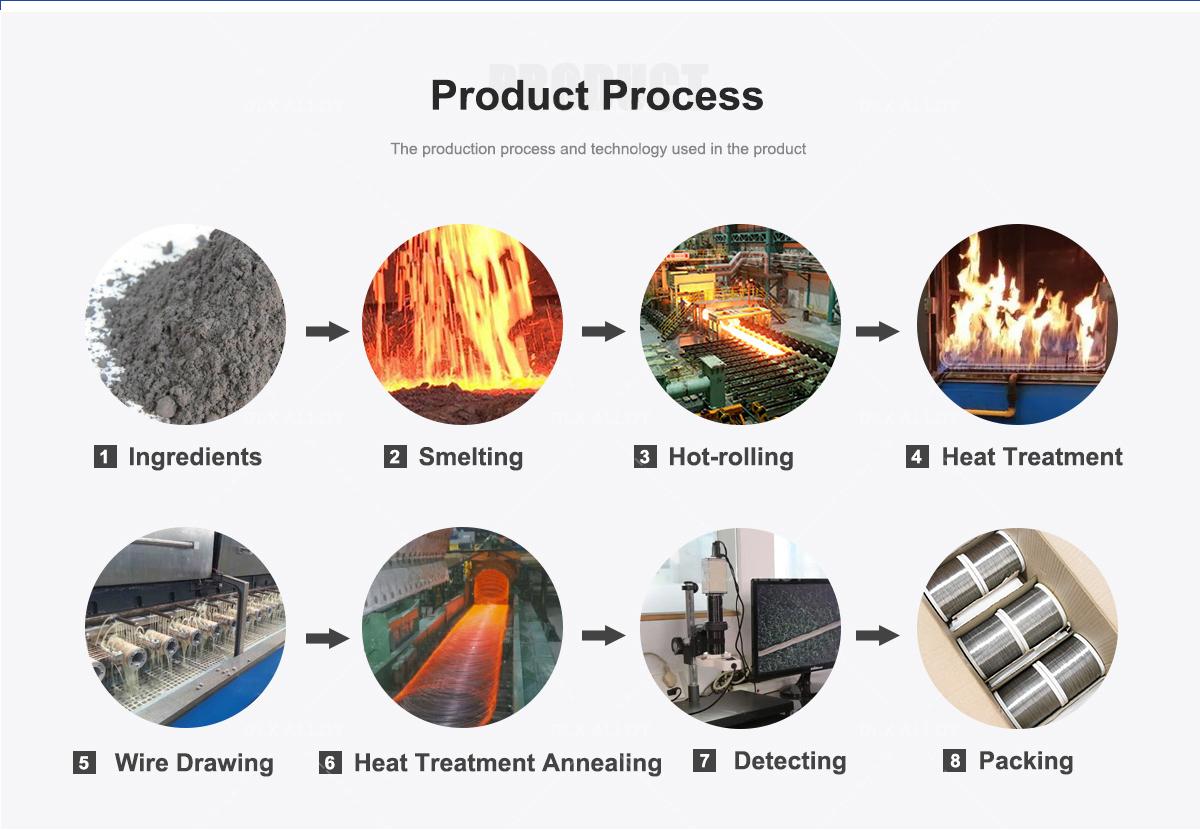
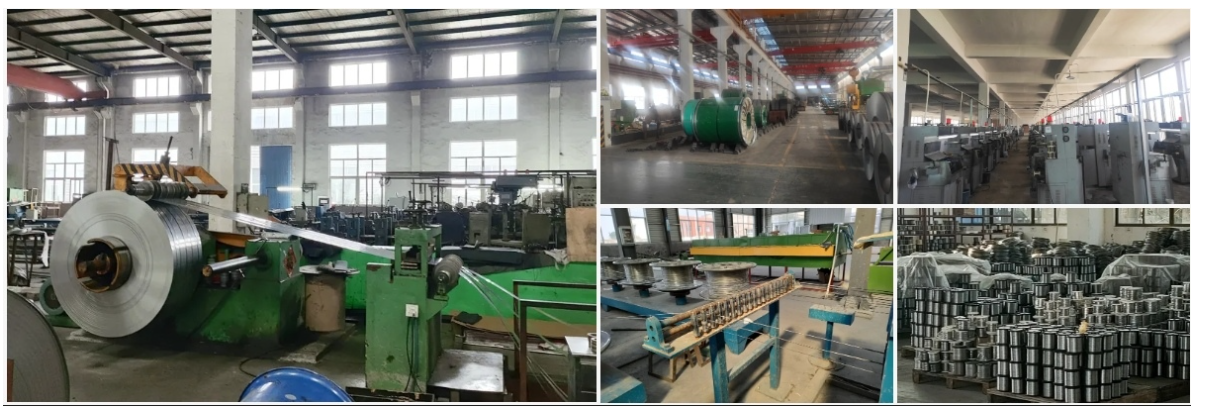
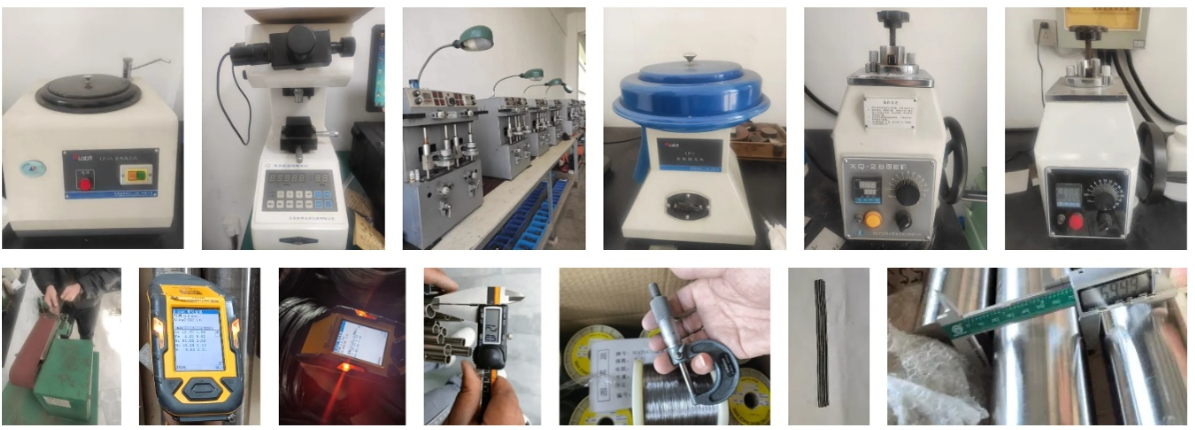
Our 12,000㎡ factory is equipped with complete capabilities for research, production, testing, and packaging. We strictly adhere to ISO 9001 standards in our production processes, with an annual output of 1,200 tons. This ensures that we meet both quantity and quality demands. Furthermore, all products undergo rigorous simulated environment testing including high temperature, high pressure, and corrosion tests before being dispatched, ensuring they meet customer specifications.
For all our clients, we offer timely and multilingual after-sales support and technical consulting, helping you resolve any issues swiftly and efficiently.
Client Visits
Building Stronger Partnerships

We support all kinds of testing:

FAQs
What is Invar 4J36 Nickel-Iron Alloy Wire?
It’s a nickel-iron alloy wire with ultra-low thermal expansion, designed for precision in aerospace and composite molding applications.What are the key properties of Invar 4J36?
It has a CTE of ~1.2–1.5 ppm/°C (20-100°C), excellent dimensional stability, and good corrosion resistance, ideal for high-precision components.What industries use Invar 4J36 Alloy Wire?
Aerospace, composite manufacturing, electronics, and scientific instrumentation rely on it for thermally stable parts.What are common applications for Invar 4J36?
It’s used in aerospace tooling, composite molds, precision sensors, and optical systems requiring minimal thermal expansion.How does Invar 4J36 compare to other low-expansion alloys?
Its 36% nickel content offers one of the lowest CTEs among similar alloys, providing superior stability for precision applications.What temperature range is Invar 4J36 effective in?
It maintains low thermal expansion from -50°C to 230°C, ensuring reliability in aerospace and molding environments.Is Invar 4J36 weldable or machinable?
Yes, it’s weldable and machinable with standard techniques, though slow speeds are recommended for precision machining.How does Invar 4J36 align with industry trends?
It supports the demand for high-precision, lightweight materials in aerospace and advanced manufacturing, driven by composite technology and miniaturization.