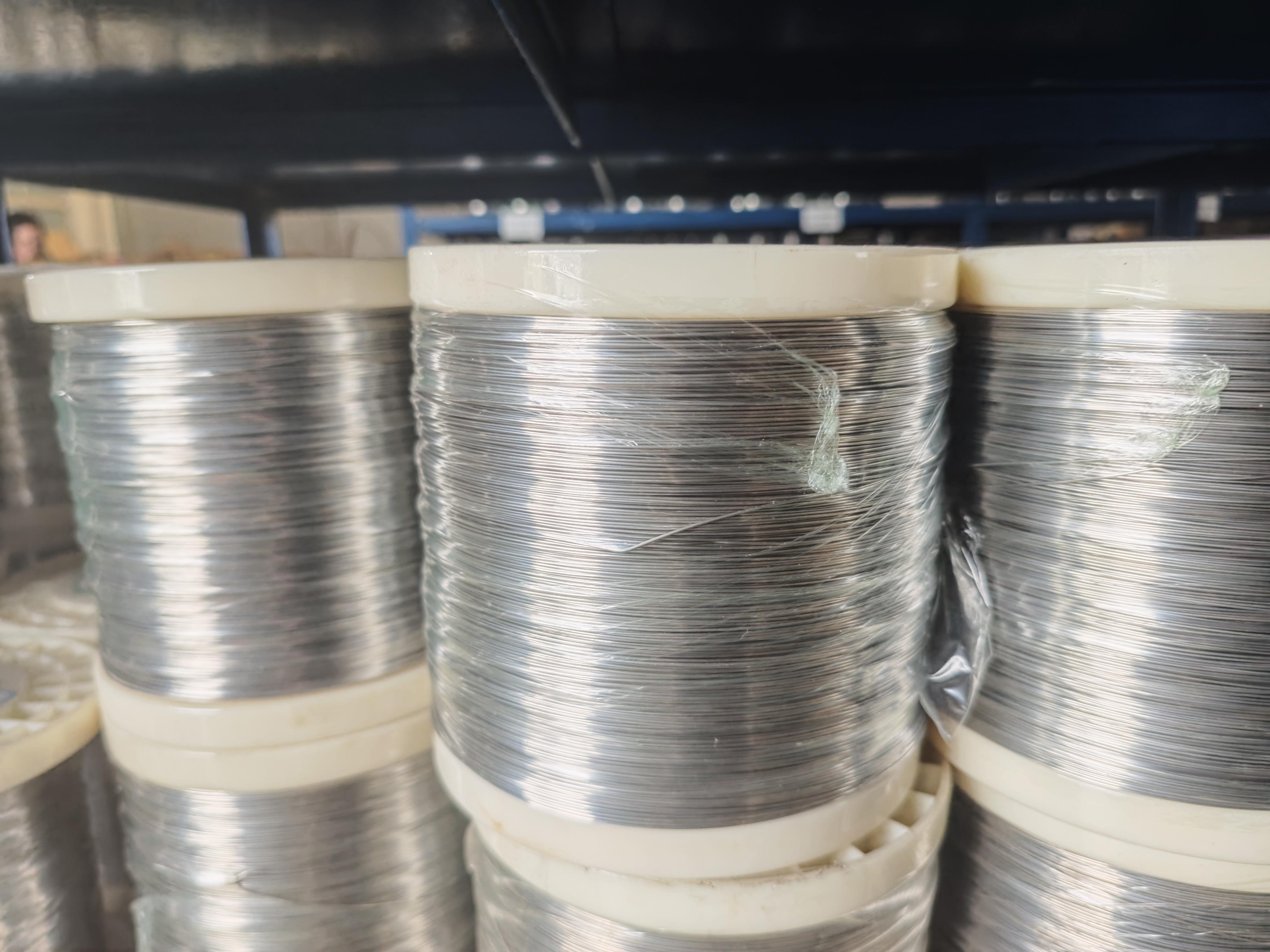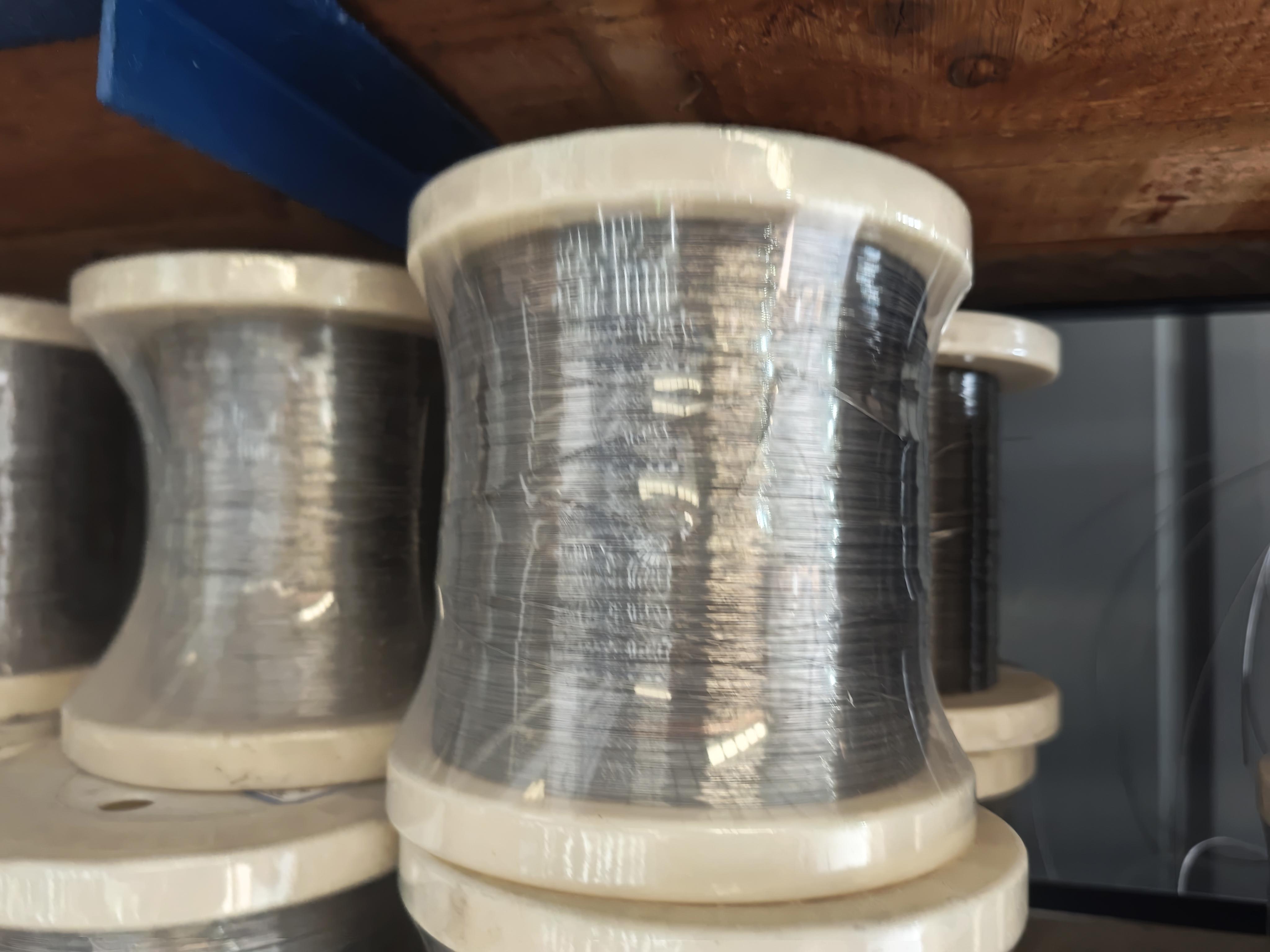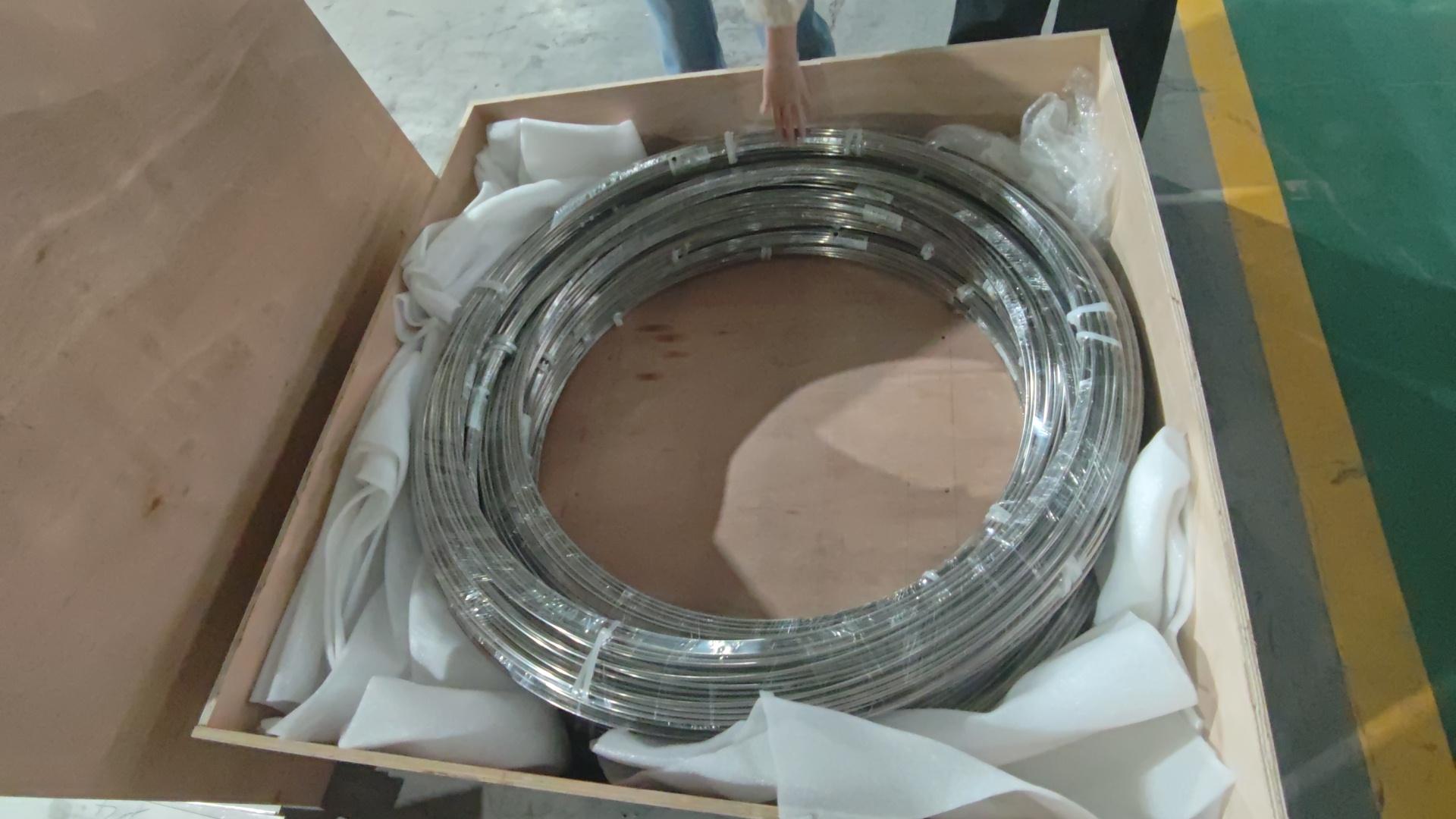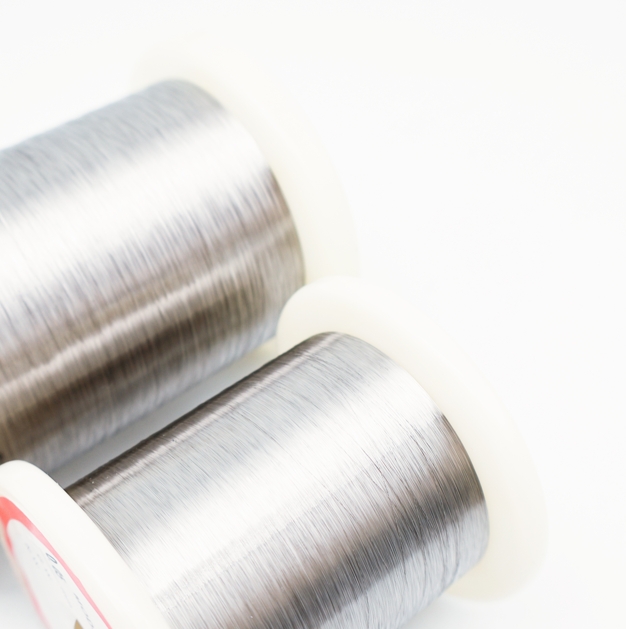
We’re proud to offer 4J32 Super Invar Alloy Wire, a high-performance material engineered for precision and stability. This nickel-iron-cobalt alloy (64% Fe, 31% Ni, 5% Co) boasts an ultra-low coefficient of thermal expansion—near zero between -32°C and 100°C—making it a go-to choice for applications where dimensional stability is non-negotiable. Whether it’s for cutting-edge telescopes or sensitive electronic components, our 4J32 wire delivers unmatched reliability. It’s strong, ductile, and corrosion-resistant, with a gummy texture that supports precise machining and welding, ensuring it fits seamlessly into your manufacturing process.
For more details, pls directly contact us.
The demand for low thermal expansion alloys like 4J32 is skyrocketing, driven by advancements in industries like aerospace, optics, and electronics. As devices get smaller and more precise, materials that resist thermal distortion are critical. The global precision engineering market is projected to grow steadily, fueled by innovations in satellite technology, optical systems, and cryogenic applications. Aerospace, in particular, is leaning on alloys like ours for high-tolerance components in composite molds and satellite structures. Meanwhile, the push for miniaturization in electronics and telecommunications is creating a surge in demand for materials that maintain stability under varying temperatures. Our 4J32 Super Invar wire is perfectly positioned to meet these evolving needs, offering a solution that balances performance and manufacturability.
Applications
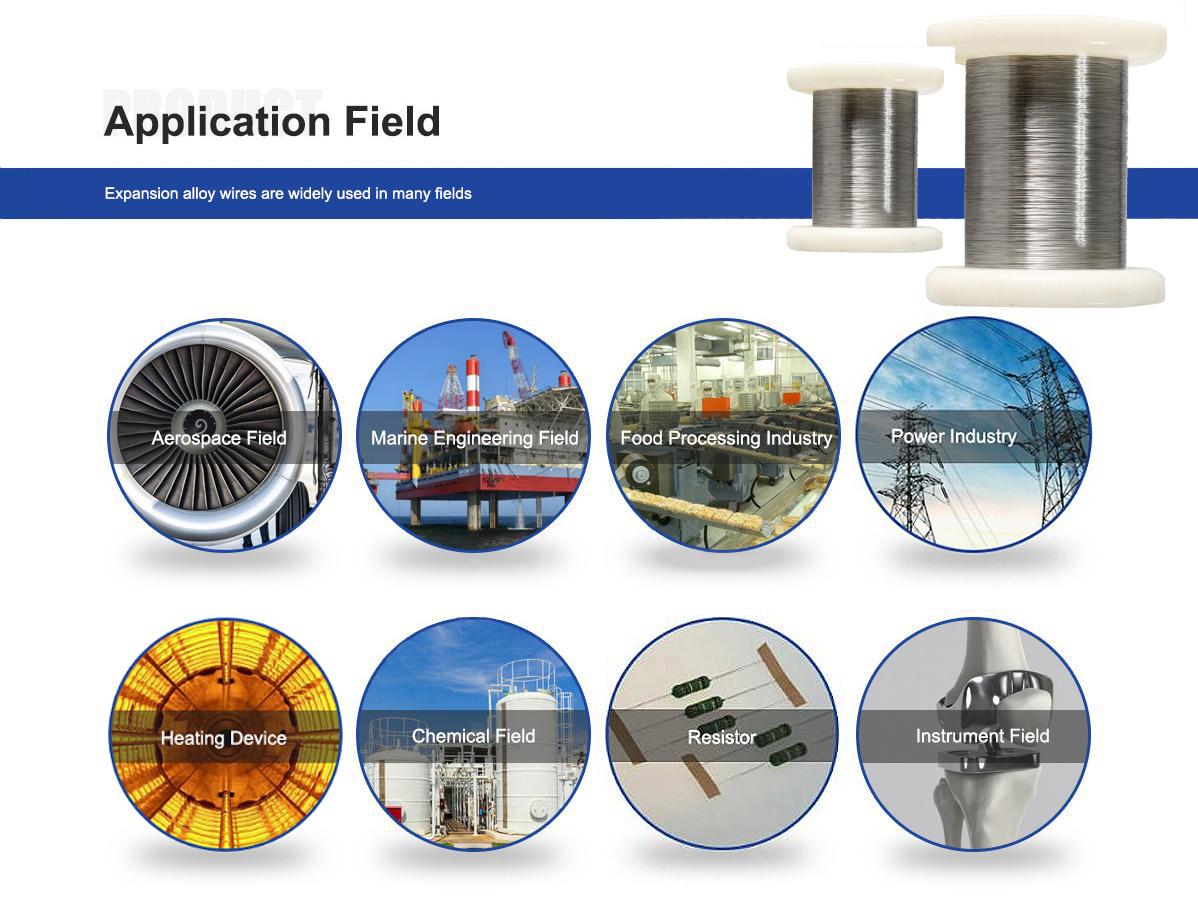
Our 4J32 Super Invar Alloy Wire shines in applications requiring extreme precision. In aerospace, it’s used for actuators in large telescopes, like those in observatories, ensuring pinpoint accuracy despite temperature swings. In electronics, it supports precision sensors and optical mounts where even a micron of expansion could throw things off. Cryogenic systems, such as LNG storage and transportation, benefit from its stability at low temperatures. Scientific instruments, including seismic gauges and laser components, rely on 4J32 for consistent performance. Its versatility also extends to telecommunications, where it’s used in resonant cavities and microwave filters, proving its value across high-stakes industries.
| Elements | 4J29 | 4J36 | |
| Carbon (C) | Not greater than | 0.03 | 0.05 |
| Sulfur (S) | 0.02 | 0.02 | |
| Phosphorus (P) | 0.02 | 0.02 | |
| Manganese (Mn) | ≤0.50 | 0.20-0.60 | |
| Silicon (Si) | ≤0.30 | ≤0.30 | |
| Nickel (Ni) | 28.5-29.5 | 35.0-37.0 | |
| Chromium (Cr) | - | - | |
| Cobalt (Co) | 16.8-17.8 | - | |
| Iron (Fe) | Rest | Rest | |
| Other Elements |
| Alloy Grade | 20°C-100°C | 20°C-300°C | 20°C-500°C |
| 4J36 Invar Alloy | 1.2×10⁻⁶ /°C | 2.5×10⁻⁶ /°C | - |
| 4J29 Kovar Alloy | 4.6×10⁻⁶ /°C | 5.5×10⁻⁶ /°C | 6.2×10⁻⁶ /°C |
| Alloy Grade | 4J36 Invar Alloy | 4J29 Kovar Alloy |
| Density (g/cm³) | 8.1 | 8.2 |
| Tensile Strength (MPa) | 500-600 | 600-700 |
| Yield Strength (MPa) | 250-350 | 300-400 |
| Hardness (HV) | 150-200 | 200-250 |
| Alloy Grade | 4J36 Invar Alloy | 4J29 Kovar Alloy |
| Electrical Resistivity (10⁻⁶ Ω·cm) | 80 | 50 |
| Thermal Conductivity (W/m·K) | 10-12 | 16-18 |
For more details, pls directly contact us.
While many companies supply low-expansion alloys, we stand out by focusing on quality, customization, and efficiency. Our 4J32 Super Invar Alloy Wire is produced with rigorous quality controls, ensuring a consistent CTE of 0.35–0.63 ppm/°C and excellent mechanical properties (yield strength ~276 MPa, tensile strength ~483 MPa). Unlike others, we offer tailored wire sizes and forms, from coils to cut lengths, to meet your exact specifications. Our streamlined production process minimizes lead times, and we skip the costly heat treatments often required by competing materials, saving you time and money. Plus, our alloy’s superior dimensional stability in the -32°C to 100°C range outperforms standard alternatives, giving you an edge in precision-driven projects. With over a decade of expertise, we’re your trusted partner for high-performance alloy solutions, delivering reliability you can count on.
Comparison Table: 4J32 Super Invar vs. Standard Invar vs. Kovar
Parameter | 4J32 Super Invar | Standard Invar (36% Ni) | Kovar |
|---|---|---|---|
Composition | 64% Fe, 31% Ni, 5% Co | 64% Fe, 36% Ni | 54% Fe, 29% Ni, 17% Co |
CTE (ppm/°C, 20-100°C) | 0.35–0.63 | 1.2–1.5 | ~5.0 |
Temperature Range | -32°C to 100°C | -50°C to 230°C | -50°C to 400°C |
Curie Temperature | 220°C | 279°C | ~435°C |
Yield Strength (MPa) | ~276 | ~260–300 | ~345 |
Tensile Strength (MPa) | ~483 | ~450–550 | ~520 |
Density (g/cm³) | 8.15 | 8.05 | 8.36 |
Applications | Precision instruments, telescope parts | General precision, clocks, molds | Glass-to-metal seals, electronics |
Machinability | Good, requires slow speeds | Good, easier than Kovar | Moderate, challenging due to hardness |
Our 4J32 Super Invar Alloy Wire isn’t just another material—it’s a game-changer for precision engineering. Its near-zero thermal expansion, robust mechanical properties, and versatility make it ideal for industries pushing the boundaries of accuracy. Whether you’re building next-gen aerospace components or cutting-edge scientific instruments, our wire ensures your products perform flawlessly under the toughest conditions. Contact us today to learn how our 4J32 Super Invar can elevate your projects!
About Us:
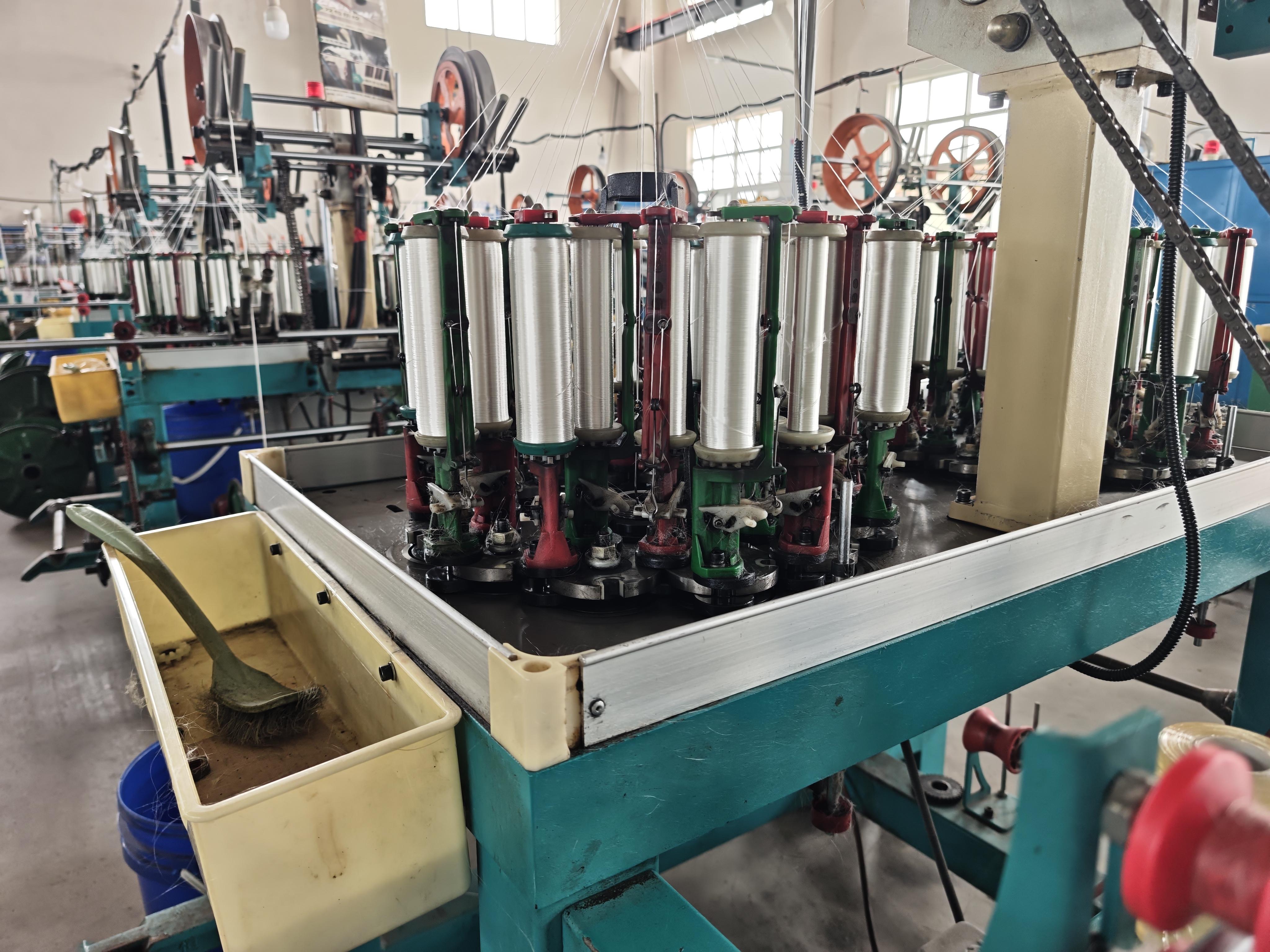
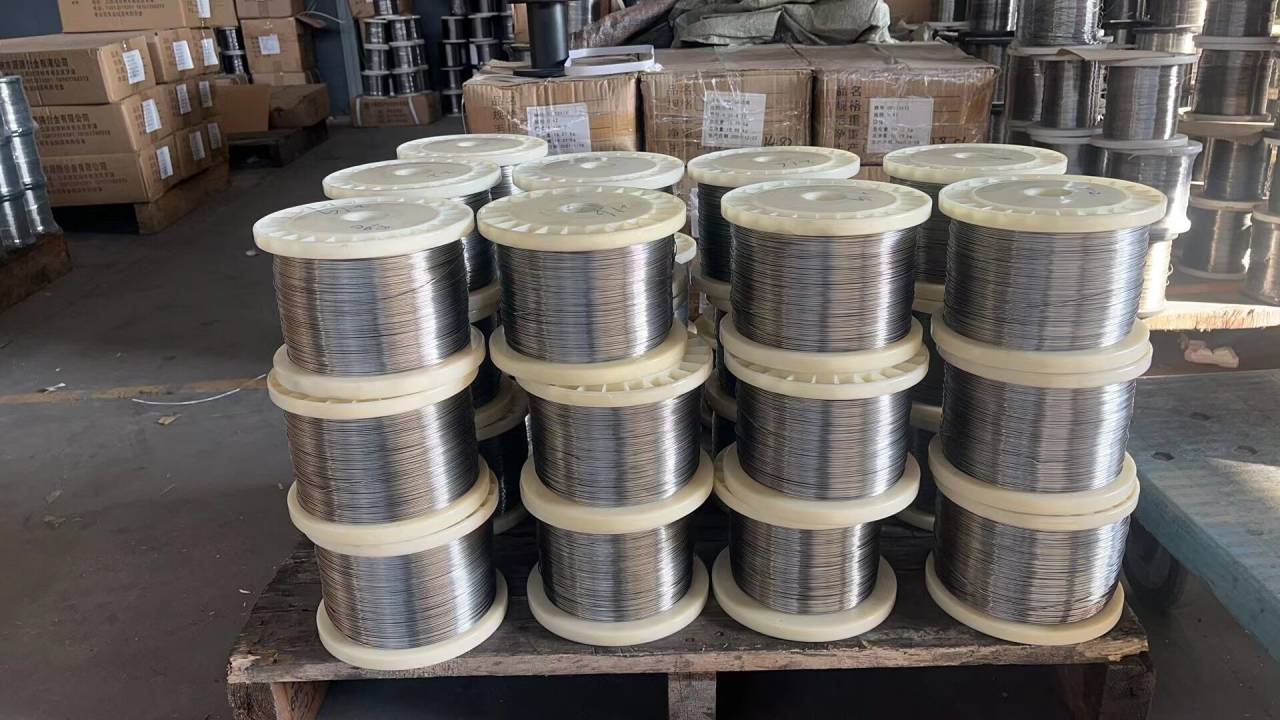
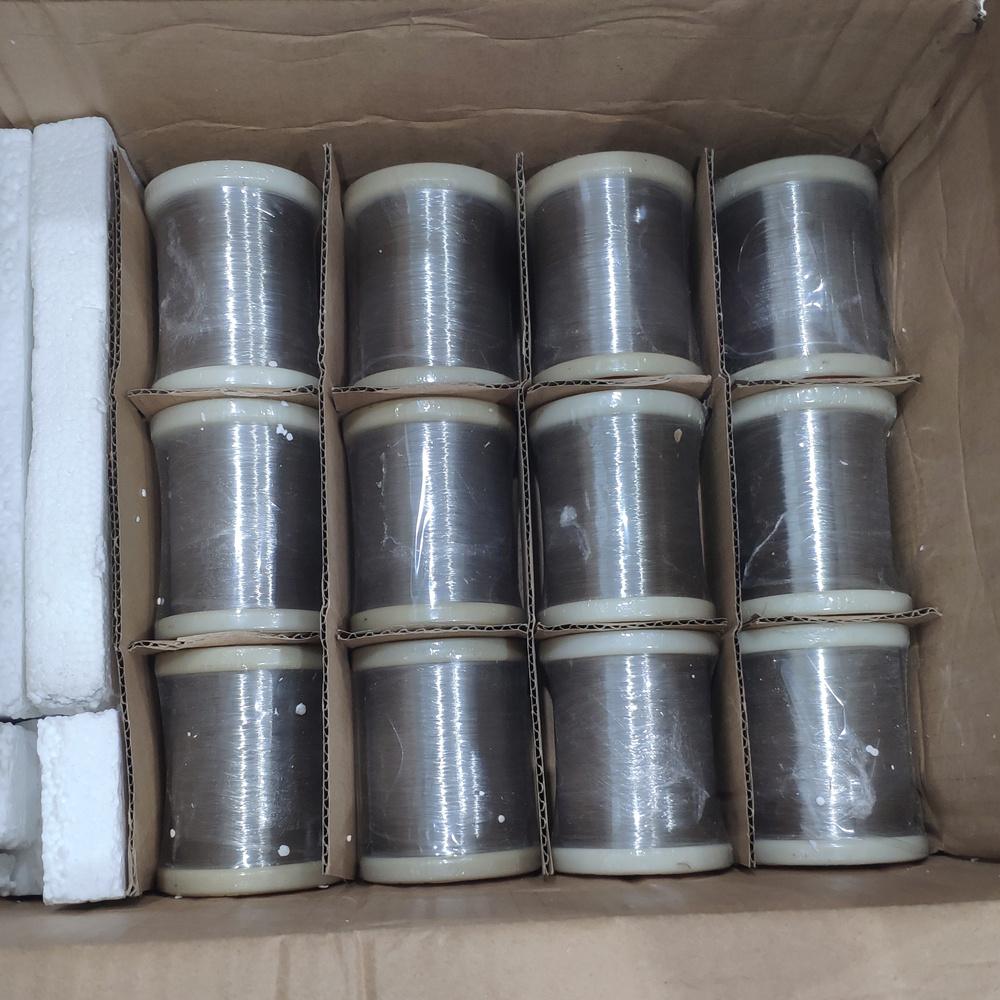
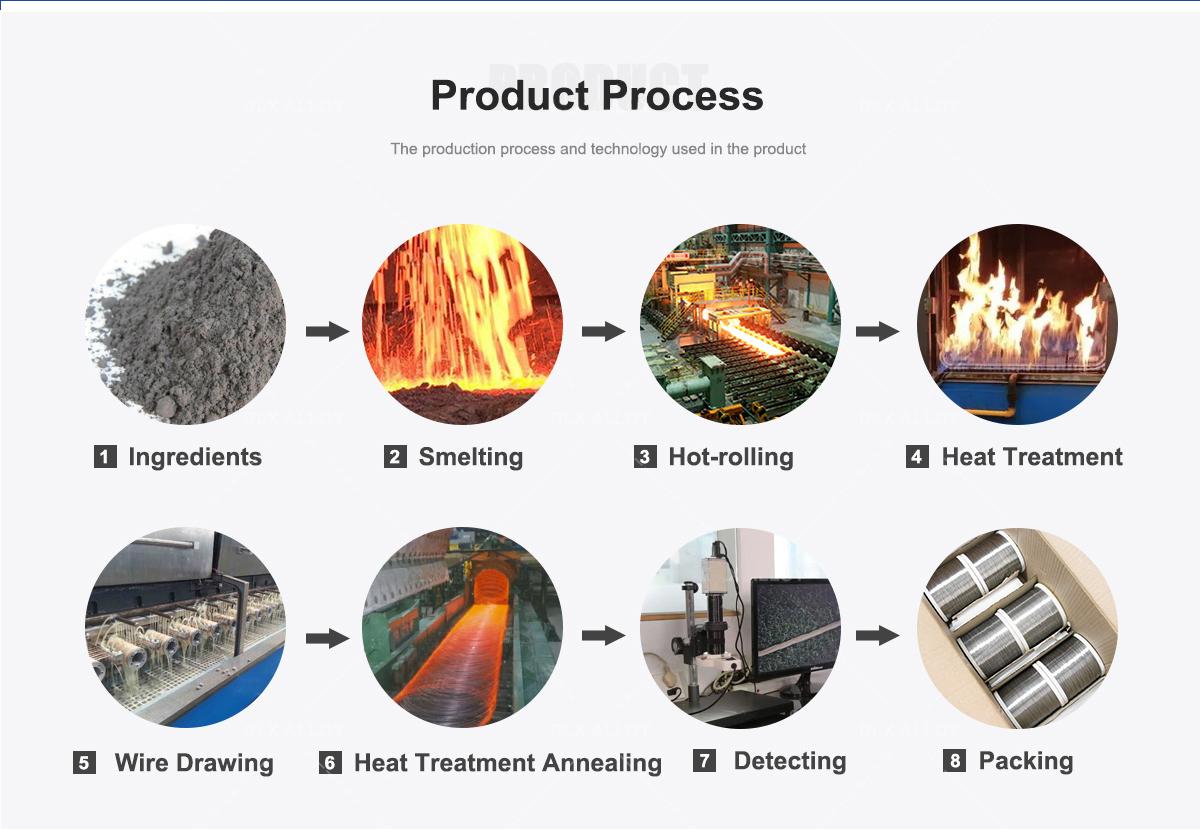
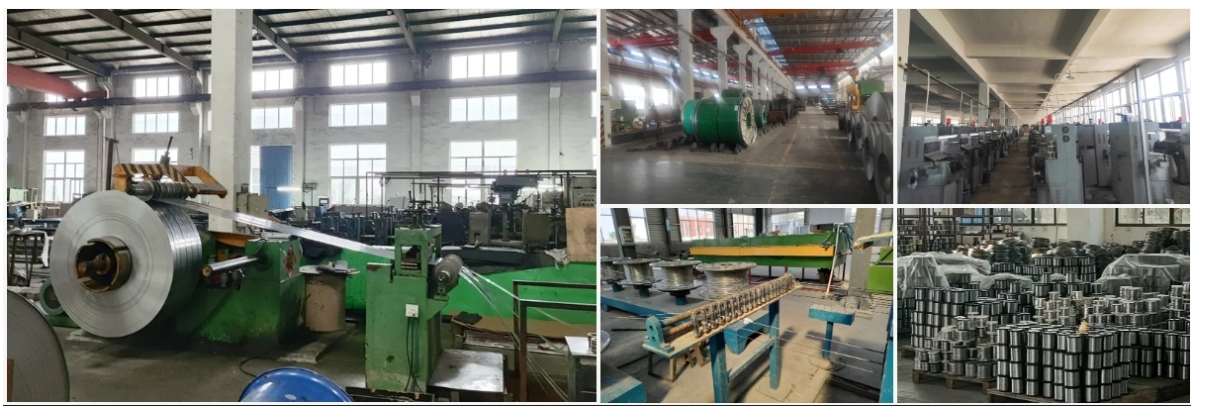
Our 12,000㎡ factory is equipped with complete capabilities for research, production, testing, and packaging. We strictly adhere to ISO 9001 standards in our production processes, with an annual output of 1,200 tons. This ensures that we meet both quantity and quality demands. Furthermore, all products undergo rigorous simulated environment testing including high temperature, high pressure, and corrosion tests before being dispatched, ensuring they meet customer specifications.
For all our clients, we offer timely and multilingual after-sales support and technical consulting, helping you resolve any issues swiftly and efficiently.
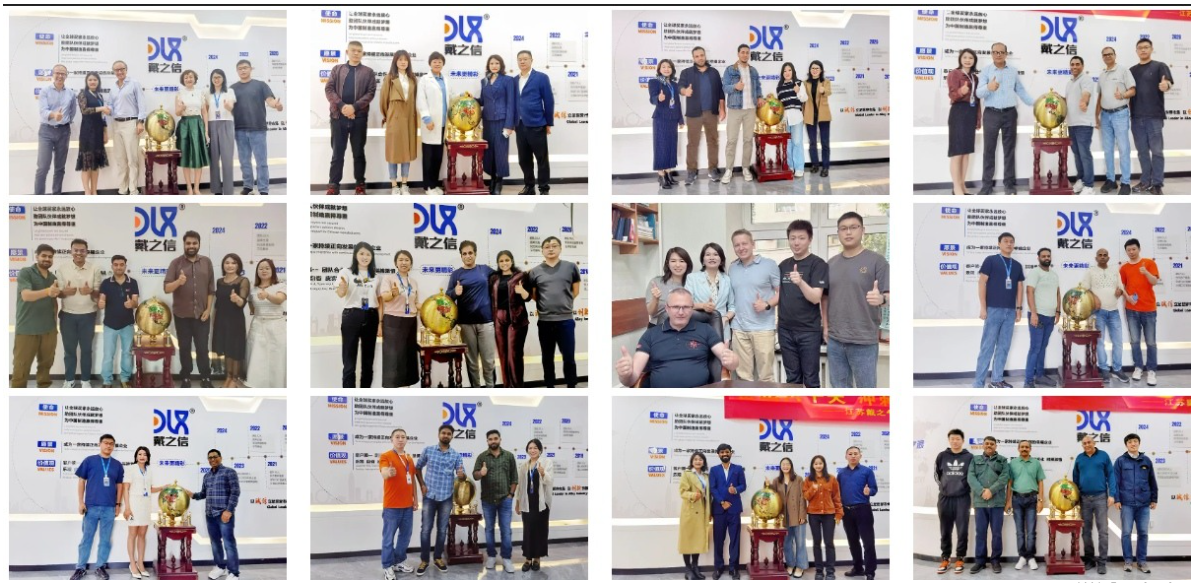
Client Visits
Building Stronger Partnerships
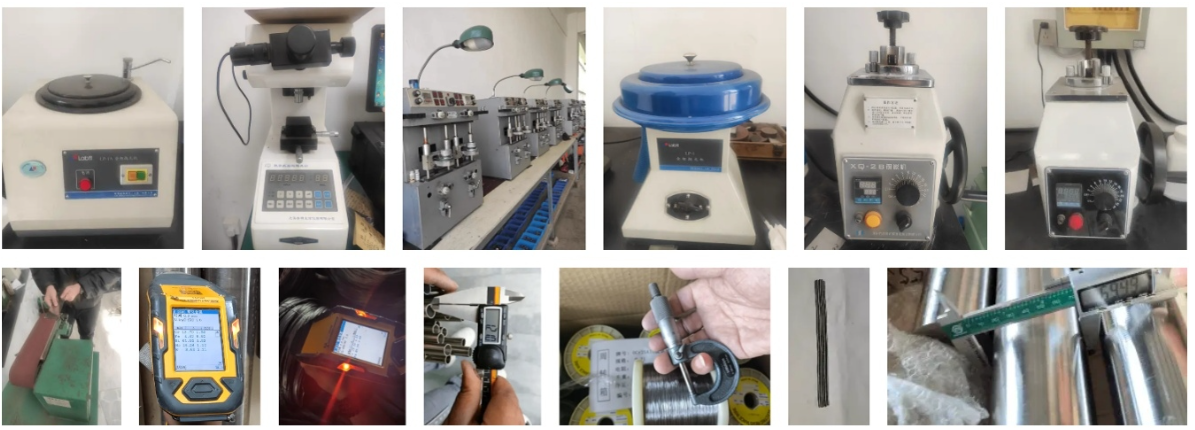
We support all kinds of testing:

FAQs
What is 4J32 Super Invar Alloy Wire?
It's a nickel-iron-cobalt alloy wire with an ultra-low coefficient of thermal expansion, designed for precision instruments requiring minimal dimensional changes across temperature shifts.What are the key properties of 4J32 Super Invar?
It has a near-zero thermal expansion coefficient (0.35 x 10⁻⁶/°C from -55 to 95°C), high dimensional stability, and good mechanical strength, ideal for extreme precision applications.What industries use 4J32 Super Invar Alloy Wire?
Aerospace, electronics, telecommunications, optical systems, and scientific instrumentation rely on it for precision components.What are common applications for this alloy?
It's used in telescope actuators, precision sensors, optical mounts, cryogenic systems, and high-accuracy measurement devices.How does 4J32 differ from standard Invar alloys?
It has a lower thermal expansion coefficient than standard Invar (36% nickel) due to its 31% nickel and 5% cobalt composition, offering better stability in a narrower temperature range.What temperature range is 4J32 effective in?
It maintains ultra-low thermal expansion between -32°C to 100°C, but its properties may change outside this range due to phase transformation.Is 4J32 Super Invar weldable or machinable?
Yes, it can be welded and machined using conventional techniques, though slow speeds and positive feeds are recommended for best results.How does 4J32 contribute to industry trends?
It supports the growing demand for high-precision, thermally stable materials in aerospace, optics, and electronics, driven by advancements in miniaturization and accuracy.