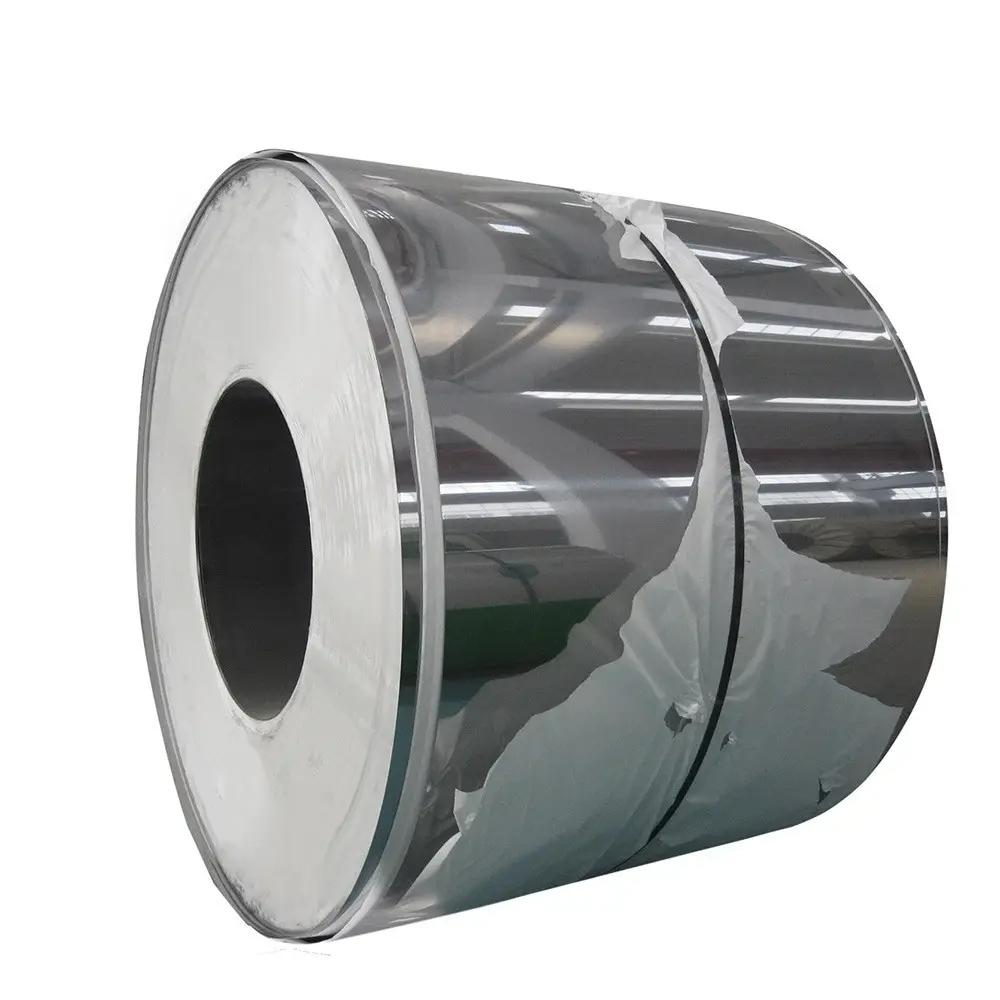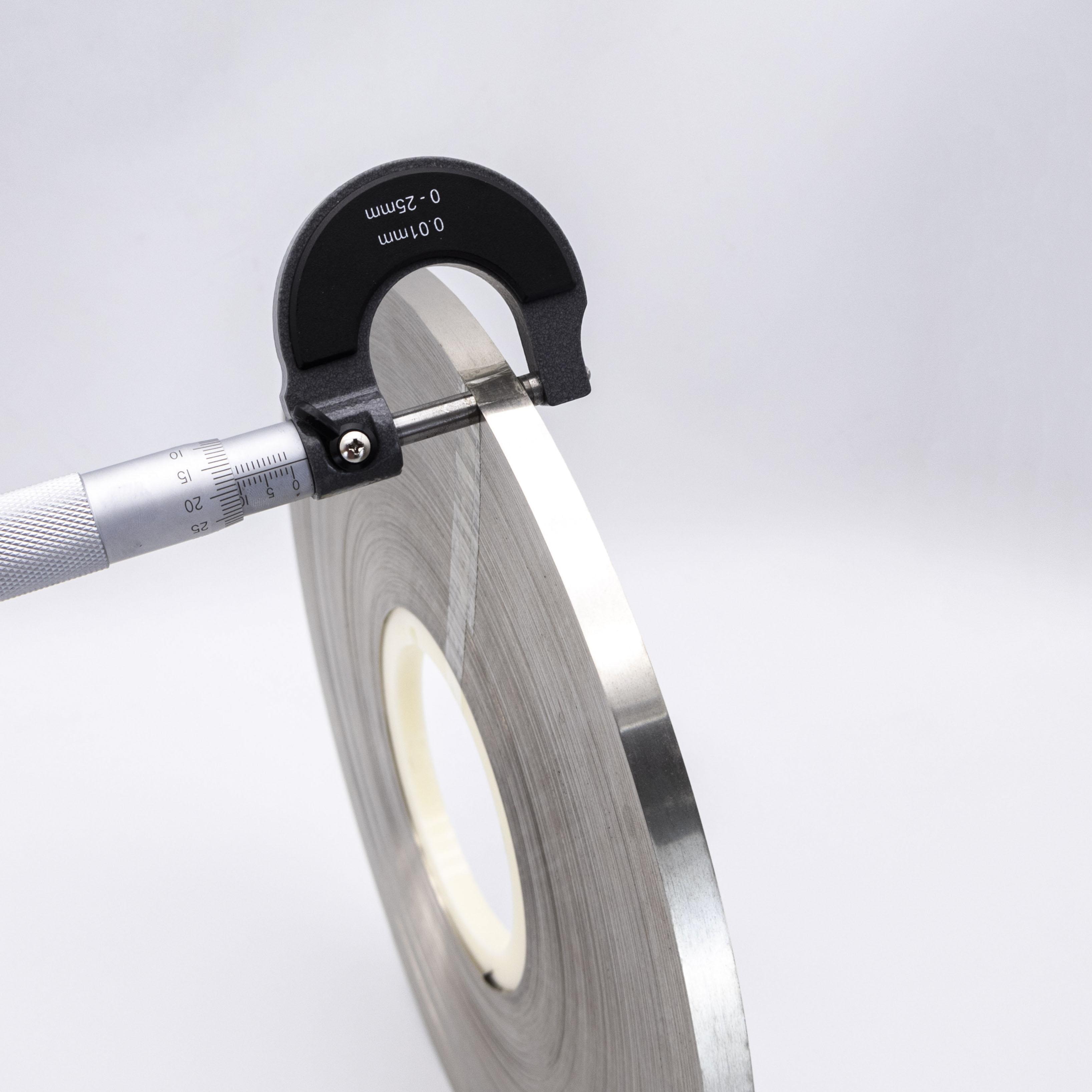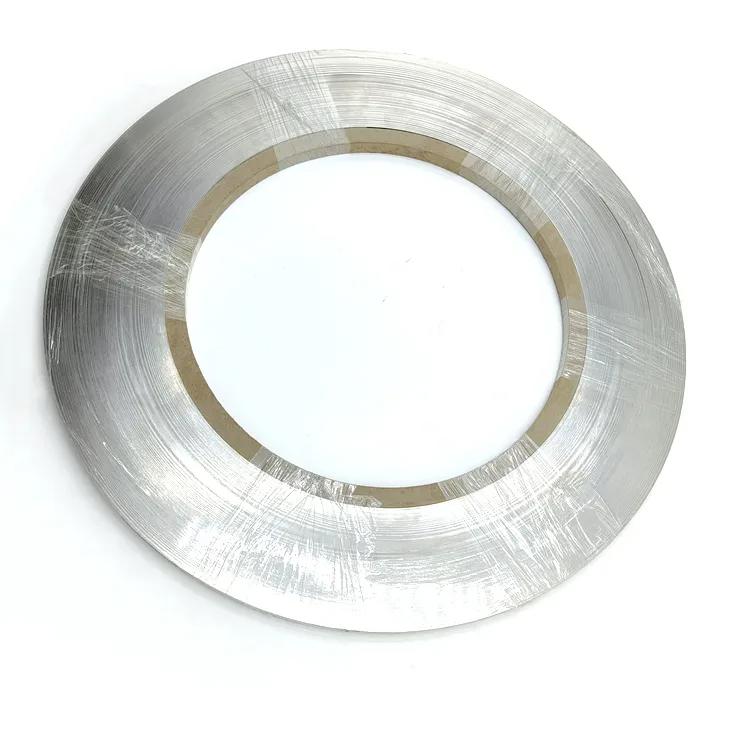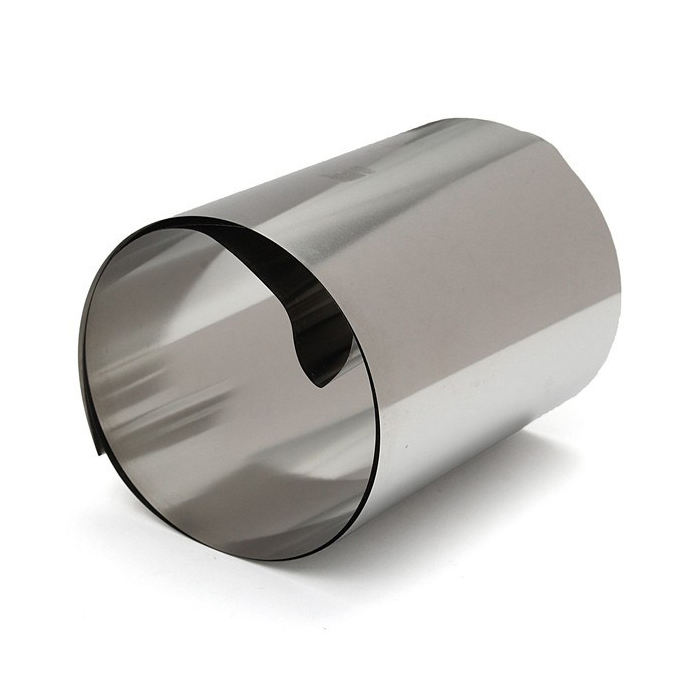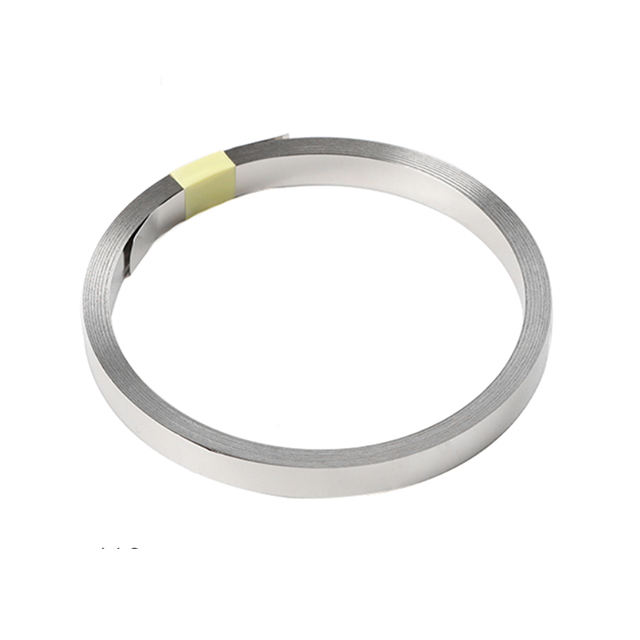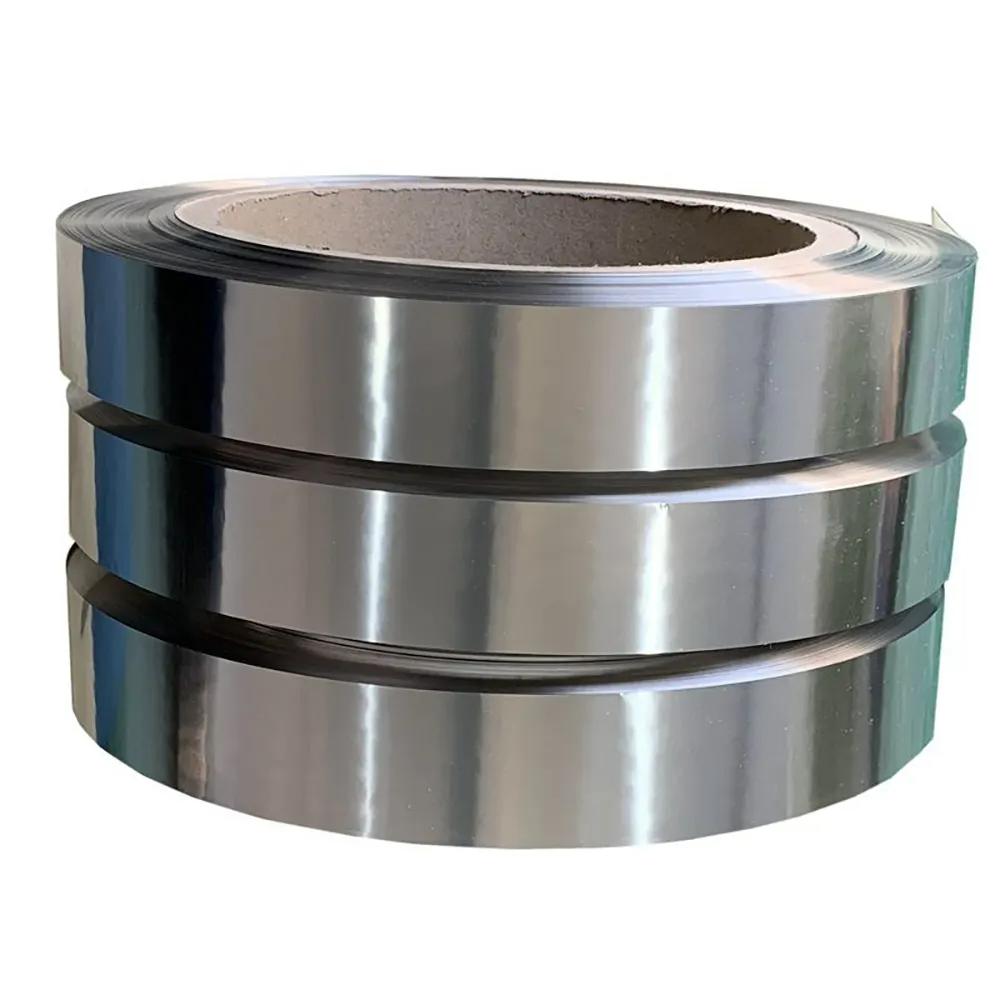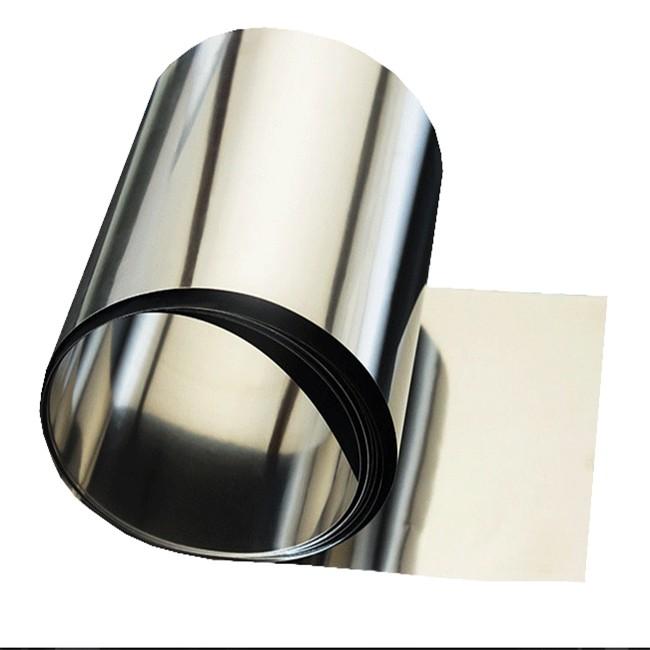
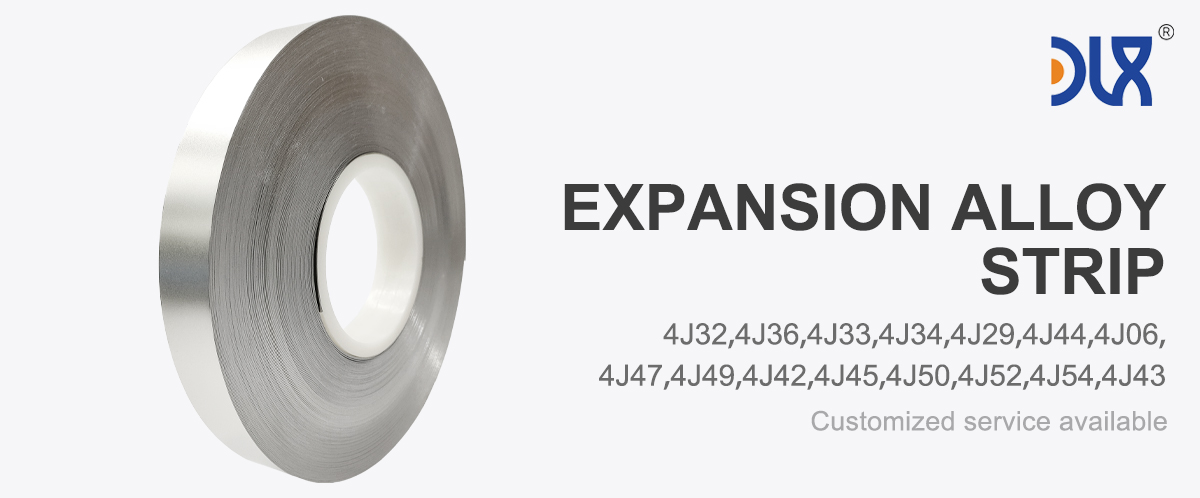
4J33 Ni-Co alloy strip is our flagship material for high-precision glass-to-metal sealing, a critical process in electronics manufacturing. With a unique composition of nickel, cobalt, and iron, this alloy is engineered to match the thermal expansion of specific glasses and ceramics, ensuring airtight, reliable seals for vacuum tubes, microwave devices, and semiconductor packaging. We take pride in producing 4J33 strips that meet the stringent demands of modern electronics, delivering unmatched performance and quality. In this article, we’ll break down what makes 4J33 so essential, explore its applications, dive into industry trends, and show why our company’s expertise makes us the go-to choice for this high-performance alloy.
For more details, pls directly contact us.
4J33 is a nickel-cobalt-iron alloy designed specifically for glass-to-metal sealing applications. Its standout feature is a coefficient of thermal expansion (CTE) of approximately 5.3 ppm/°C (20-400°C), which closely matches that of certain glasses and ceramics used in electronics. This ensures a strong, hermetic seal that can withstand temperature fluctuations without cracking or leaking. The alloy is tough, corrosion-resistant, and maintains its mechanical properties in demanding environments like vacuum systems or high-frequency devices. While it’s moderately machinable, it requires careful techniques to avoid work hardening, but its versatility makes it a top pick for precision manufacturing.
Our 4J33 strips are crafted with precision to meet industry standards like ASTM F30, ensuring consistent composition and performance. Whether you’re sealing a vacuum tube or a semiconductor package, our alloy delivers the reliability you need for mission-critical applications.
| Elements | 4J29 | 4J36 | |
| Carbon (C) | Not greater than | 0.03 | 0.05 |
| Sulfur (S) | 0.02 | 0.02 | |
| Phosphorus (P) | 0.02 | 0.02 | |
| Manganese (Mn) | ≤0.50 | 0.20-0.60 | |
| Silicon (Si) | ≤0.30 | ≤0.30 | |
| Nickel (Ni) | 28.5-29.5 | 35.0-37.0 | |
| Chromium (Cr) | - | - | |
| Cobalt (Co) | 16.8-17.8 | - | |
| Iron (Fe) | Rest | Rest | |
| Other Elements |
| Alloy Grade | 20°C-100°C | 20°C-300°C | 20°C-500°C |
| 4J36 Invar Alloy | 1.2×10⁻⁶ /°C | 2.5×10⁻⁶ /°C | - |
| 4J29 Kovar Alloy | 4.6×10⁻⁶ /°C | 5.5×10⁻⁶ /°C | 6.2×10⁻⁶ /°C |
| Alloy Grade | 4J36 Invar Alloy | 4J29 Kovar Alloy |
| Density (g/cm³) | 8.1 | 8.2 |
| Tensile Strength (MPa) | 500-600 | 600-700 |
| Yield Strength (MPa) | 250-350 | 300-400 |
| Hardness (HV) | 150-200 | 200-250 |
| Alloy Grade | 4J36 Invar Alloy | 4J29 Kovar Alloy |
| Electrical Resistivity (10⁻⁶ Ω·cm) | 80 | 50 |
| Thermal Conductivity (W/m·K) | 10-12 | 16-18 |
For more details, pls directly contact us.
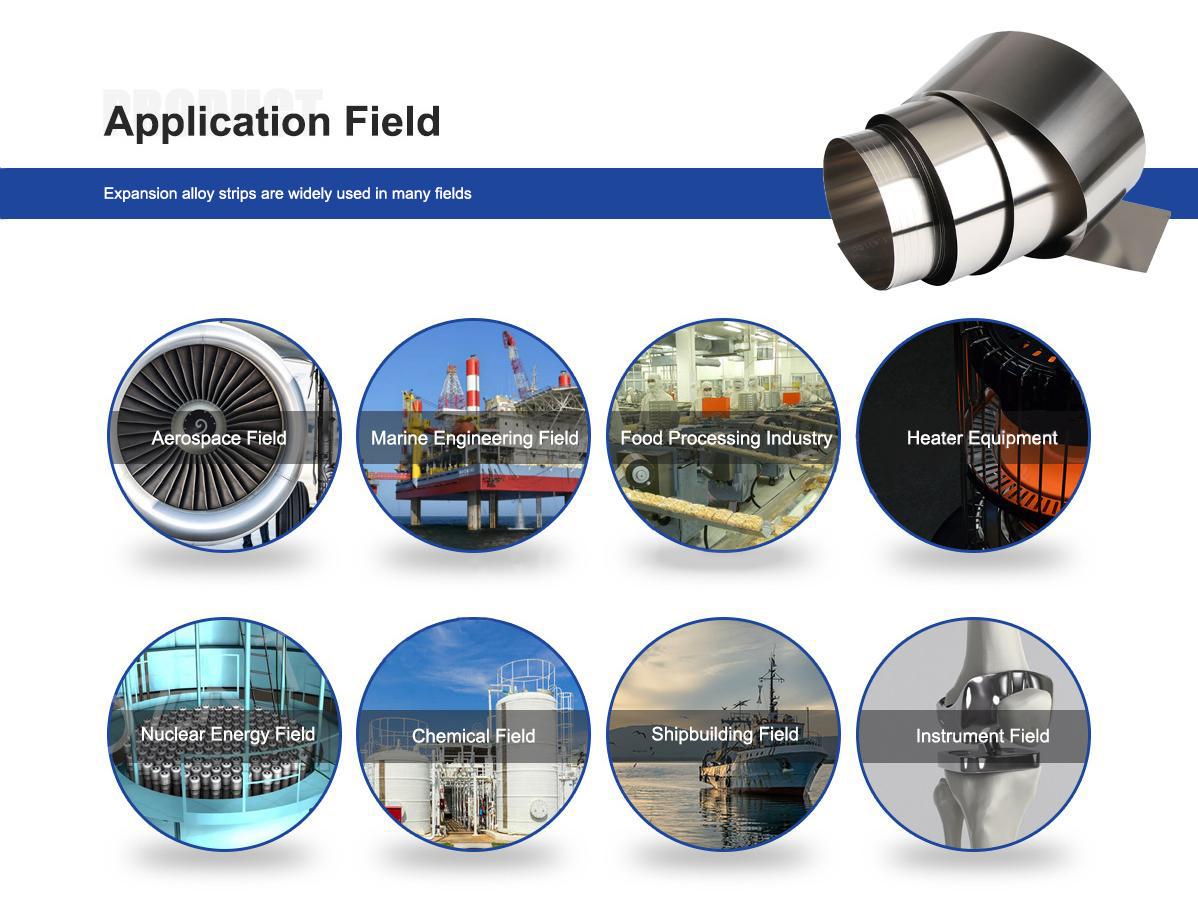
4J33 is the backbone of many high-precision electronic components. Here’s where it’s making a difference:
Vacuum Tubes and Microwave Devices: 4J33 is used to create herm-optionsetic seals in cathode ray tubes, klystrons, and magnetrons, ensuring airtight performance in high-frequency applications.
Semiconductor Packaging: It provides reliable seals for integrated circuits and other microelectronic components, protecting sensitive electronics from environmental exposure.
Aerospace Electronics: 4J33 is critical for hermetic connectors and sensors in aircraft and spacecraft, where reliability under extreme conditions is non-negotiable.
Medical Devices: From pacemakers to imaging equipment, 4J33 ensures durable seals for components that demand precision and longevity.
Telecommunications: It’s used in waveguides and RF connectors, where its matched CTE prevents signal loss due to thermal expansion.
The ability of 4J33 to form dependable seals in high-stakes applications makes it indispensable across multiple industries.
Comparison Table: 4J33 Ni-Co Alloy vs. Similar Alloys
Parameter | 4J33 Ni-Co Alloy | Invar 4J36 | Stainless Steel (316) |
|---|---|---|---|
Composition | Ni, Co, Fe | 36% Ni, Fe | Fe, Cr, Ni, Mo |
Coefficient of Thermal Expansion (CTE, ppm/°C) | 5.3 (20-400°C) | 1.2 (20-100°C) | 16.0 (20-400°C) |
Temperature Range | -80°C to 450°C | -150°C to 260°C | -200°C to 900°C |
Density (g/cm³) | 8.36 | 8.05 | 8.00 |
Tensile Strength (MPa) | ~540 | ~450 | ~530 |
Machinability | Moderate (precision tools needed) | Moderate (requires sharp tools) | Good |
Corrosion Resistance | Excellent | Good | Excellent |
Primary Applications | Glass-to-metal seals, electronics | Aerospace tooling, precision instruments | General Dit General-purpose, structural |
The electronics industry is evolving at lightning speed, and 4J33 is at the heart of several key trends:
Miniaturization of Electronics: As devices shrink—think 5G components, IoT sensors, and wearable tech—4J33’s precise CTE matching ensures seals remain intact in ever-smaller packages.
Rise of High-Frequency Devices: The rollout of 5G and advancements in radar and satellite tech are increasing demand for alloys like 4J33 that can handle high frequencies without signal degradation.
Electric Vehicles (EVs) and Renewable Energy: Power electronics in EVs and solar inverters rely on hermetic seals to protect sensitive components, driving demand for 4J33.
Medical Electronics Growth: The boom in medical devices, from implantable tech to diagnostic tools, requires materials that can deliver reliable, long-lasting seals in harsh conditions.
Advanced Manufacturing Techniques: Precision laser cutting, stamping, and even additive manufacturing are making it easier to produce complex 4J33 components, aligning with the push for faster, more efficient production.
These trends highlight why 4J33 is a critical material for the future of electronics, and we’re positioned to meet that demand head-on.
Why Choose Our 4J33 Ni-Co Alloy Strips?
We don’t just supply 4J33—we deliver solutions that keep your projects running smoothly. Here’s what sets us apart:
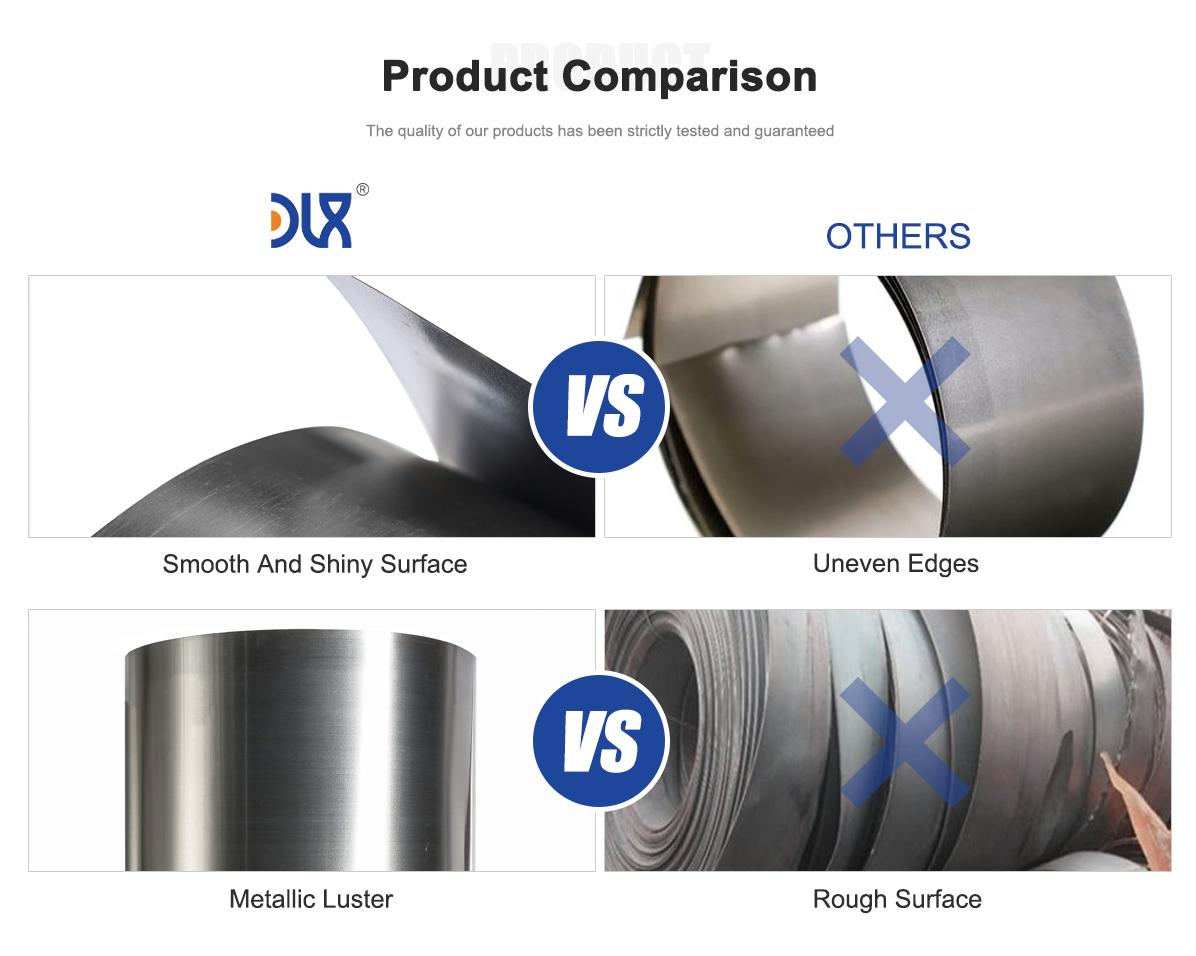
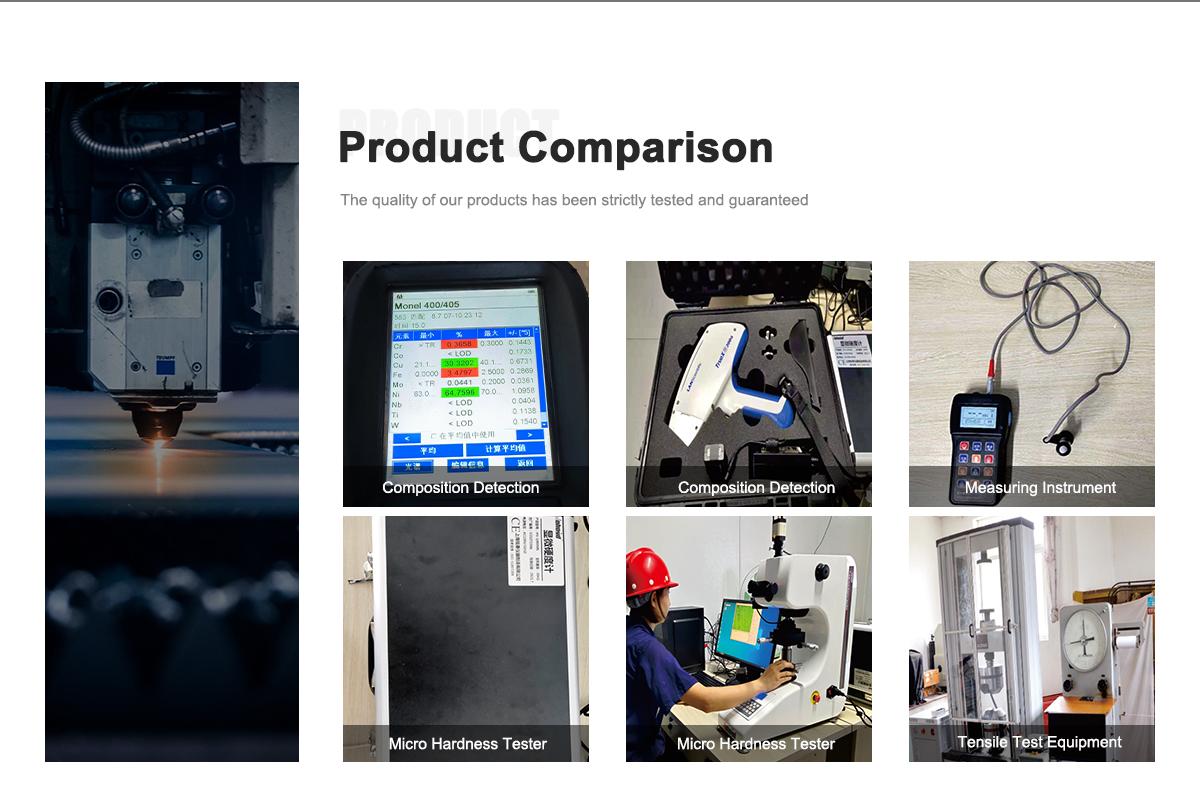
Precision Quality: Our 4J33 strips are manufactured to exacting standards, meeting ASTM F30 and other specifications. Every batch is tested to ensure consistent CTE and mechanical properties, so your seals perform flawlessly.
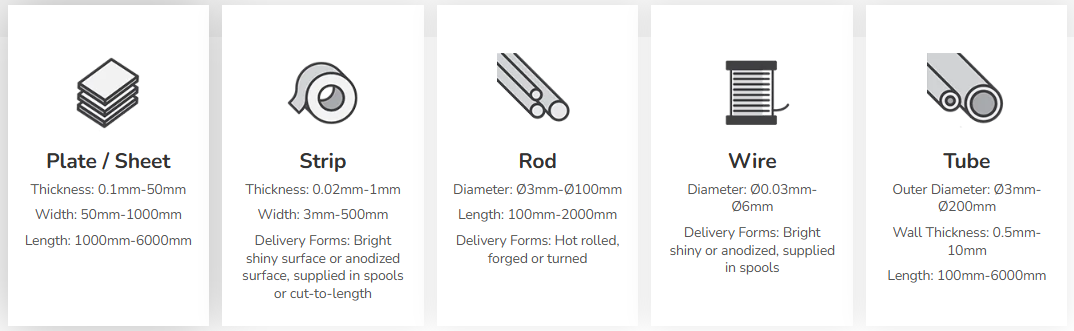
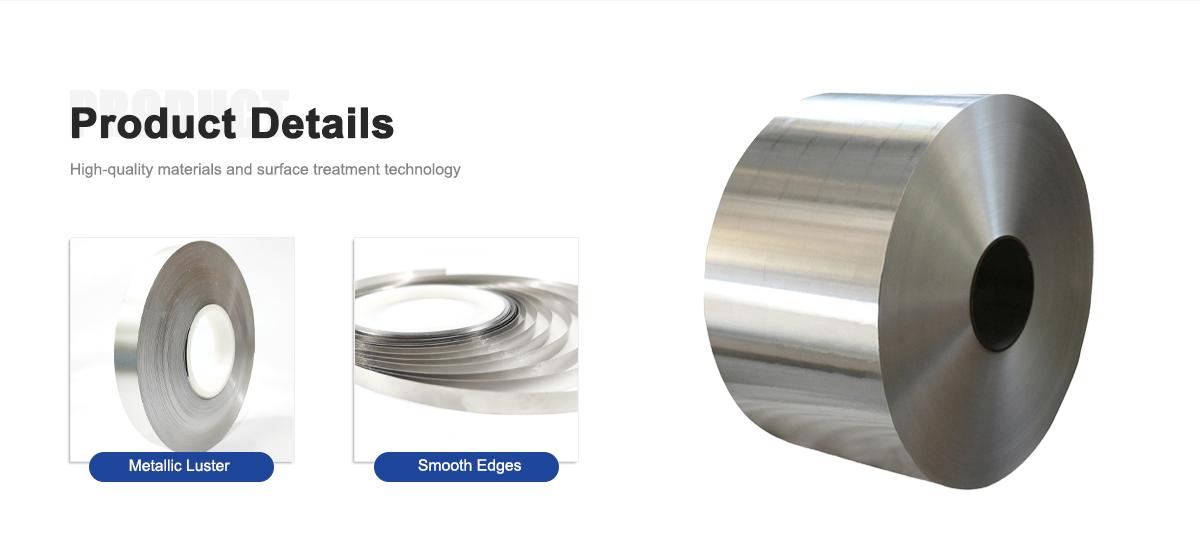
Tailored Solutions: From ultra-thin strips for microelectronics to custom widths for aerospace applications, we offer flexible sizing and finishes to fit your exact needs.
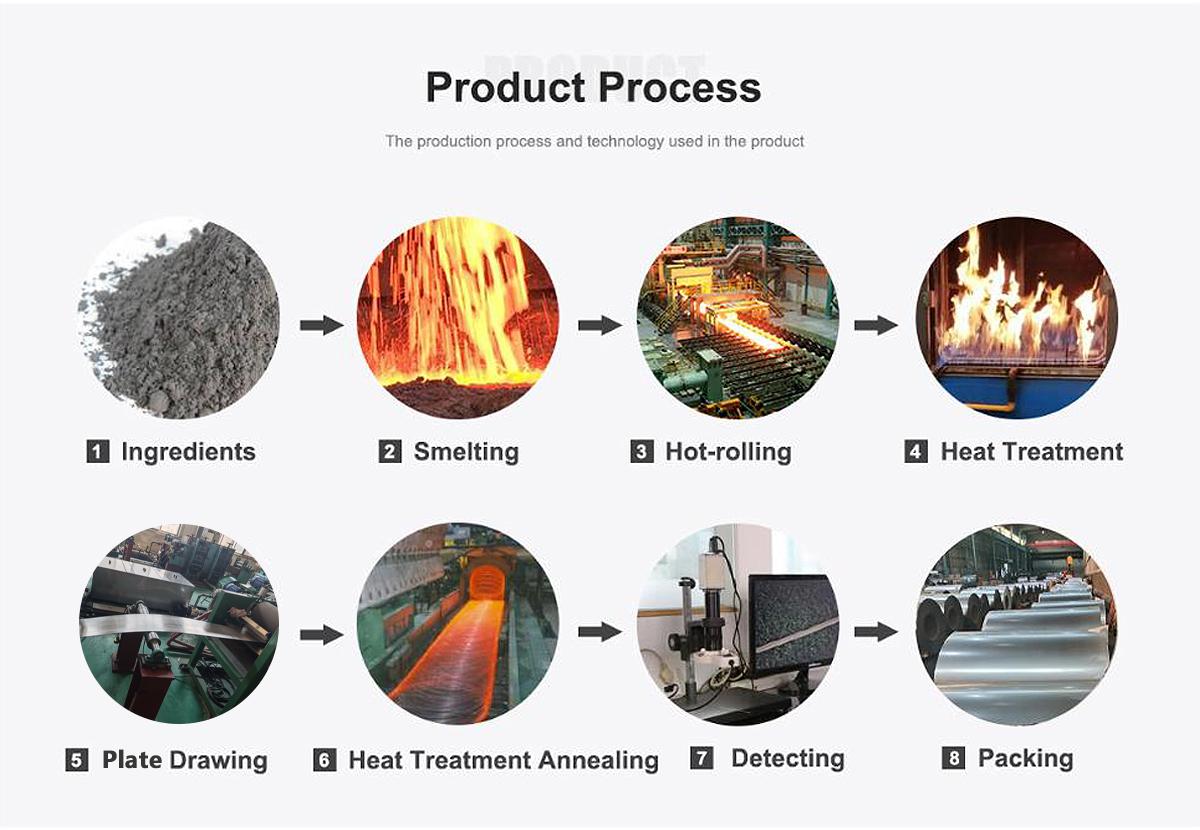
Cutting-Edge Manufacturing: We use advanced techniques like precision laser cutting and stamping to produce high-quality 4J33 components with minimal waste and maximum efficiency.
Expert Guidance: Our team of material scientists and engineers works with you to optimize designs and ensure 4J33 is the perfect fit for your application.
Global Supply, Local Support: With a robust supply chain, we deliver 4J33 strips worldwide with short lead times, backed by responsive customer service.
Sustainability Commitment: Our eco-conscious production processes and recyclable materials help you meet sustainability goals without compromising performance.
Our focus on quality, customization, and support gives us an edge in delivering 4J33 strips that meet the toughest demands of modern electronics.
Comparing 4J33 to Other Alloys
When you stack 4J33 against other materials, its specialized properties shine. Stainless steel, like 316, is versatile and corrosion-resistant but has a CTE of ~16 ppm/°C, making it unsuitable for glass-to-metal sealing where precise matching is critical. Invar 4J36, with its ultra-low CTE of 1.2 ppm/°C, is great for dimensional stability but doesn’t match the thermal expansion of glasses used in electronics. Other nickel alloys may offer similar strength, but their CTE often misaligns with specific sealing materials, risking cracks or leaks.
4J33’s tailored CTE, excellent corrosion resistance, and compatibility with advanced manufacturing make it the top choice for hermetic sealing. Our ability to deliver custom strips with tight tolerances ensures your components perform reliably, no matter the application.
Future Outlook for 4J33
The future of 4J33 is bright as electronics continue to push boundaries. The global rollout of 5G and the growth of IoT devices will drive demand for reliable, miniaturized seals. The EV market, projected to explode over the next decade, will rely on 4J33 for power electronics that can withstand thermal cycling. Medical advancements, like next-gen implants and diagnostic tools, will lean on 4J33 for its biocompatibility and sealing precision. Plus, advancements in manufacturing—like laser-based processes—will make 4J33 components more cost-effective and accessible.
We’re investing in R&D to stay ahead, exploring new ways to optimize 4J33 for emerging applications and refining our processes to deliver even greater precision and efficiency.
Wrapping It Up
4J33 Ni-Co alloy strip is a powerhouse for glass-to-metal sealing in electronics, offering a perfectly matched CTE, excellent durability, and versatility across vacuum tubes, semiconductor packaging, and aerospace components. As trends like miniaturization, 5G, and EV growth fuel demand, our high-quality 4J33 strips are ready to meet the challenge. With our focus on precision, customization, and cutting-edge manufacturing, we’re not just supplying an alloy—we’re powering the next generation of electronics. Ready to seal the deal with 4J33? Let’s make it happen.
For more details, pls directly contact us.
About Us:
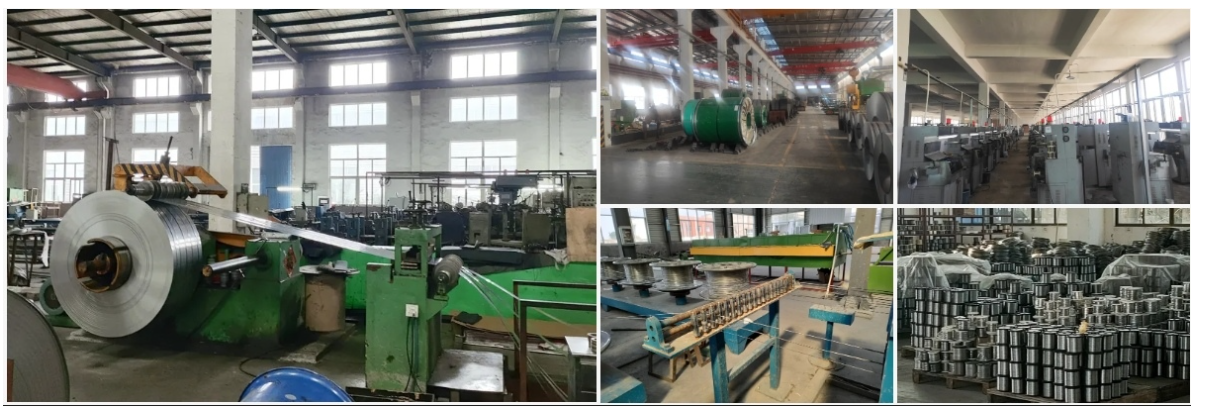
Our 12,000㎡ factory is equipped with complete capabilities for research, production, testing, and packaging. We strictly adhere to ISO 9001 standards in our production processes, with an annual output of 1,200 tons. This ensures that we meet both quantity and quality demands. Furthermore, all products undergo rigorous simulated environment testing including high temperature, high pressure, and corrosion tests before being dispatched, ensuring they meet customer specifications.
For all our clients, we offer timely and multilingual after-sales support and technical consulting, helping you resolve any issues swiftly and efficiently.
Client Visits
Building Stronger Partnerships

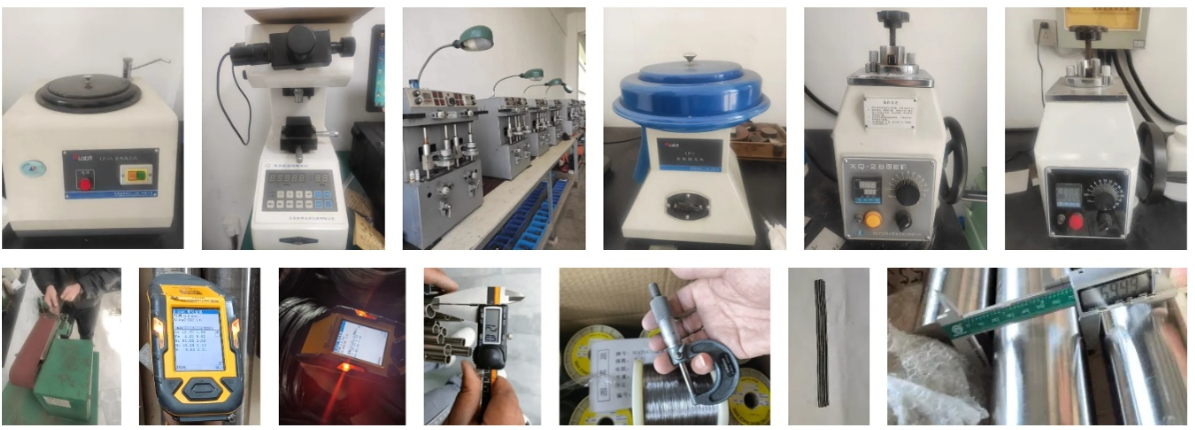
We support all kinds of testing:

FAQs
What is 4J33 Ni-Co alloy, and what makes it unique?
4J33 is a nickel-cobalt-iron alloy designed for glass-to-metal sealing, with a coefficient of thermal expansion (CTE) closely matching that of certain glasses and ceramics, ensuring reliable seals in electronics.What are the primary applications of 4J33?
It’s used in vacuum tubes, microwave devices, semiconductor packaging, and other electronic components requiring airtight glass-to-metal seals.How does 4J33 perform under temperature changes?
It maintains excellent dimensional stability with a CTE of ~5.3 ppm/°C (20-400°C), matching specific glasses and ceramics across a wide temperature range.Is 4J33 suitable for harsh environments?
Yes, it offers good corrosion resistance and mechanical strength, making it ideal for vacuum and high-reliability electronic applications.Can 4J33 be machined or formed easily?
It’s moderately machinable but requires careful handling to avoid work hardening, using sharp tools and controlled feed rates for precision.Which industries rely on 4J33?
Electronics, telecommunications, aerospace, and medical device industries use it for hermetic sealing in high-precision components.How does 4J33 compare to other sealing alloys?
Its CTE is tailored for specific glasses and ceramics, offering better sealing reliability than alloys with mismatched thermal expansion.Is 4J33 compatible with modern manufacturing?
Yes, it can be processed via stamping, forming, and welding, and is suitable for advanced techniques like precision laser cutting.