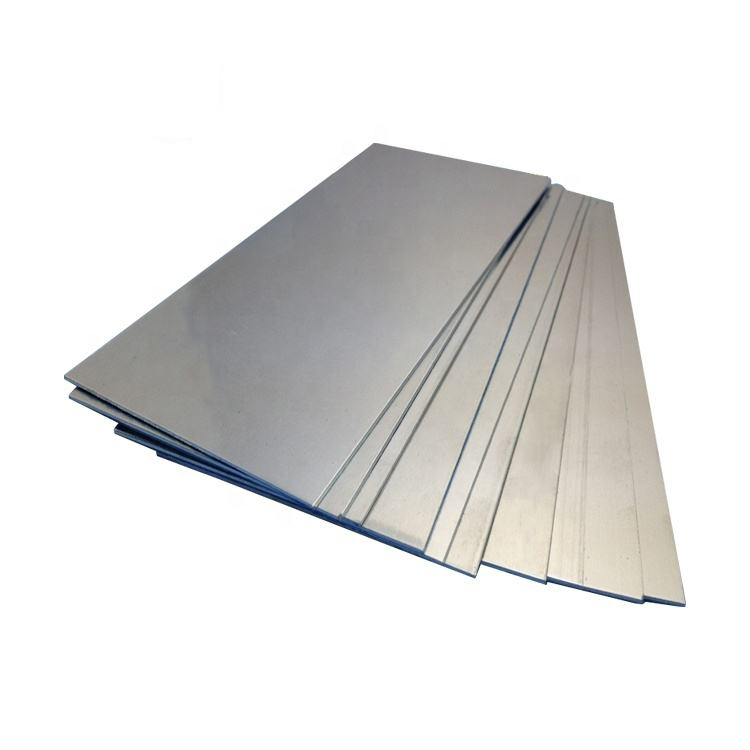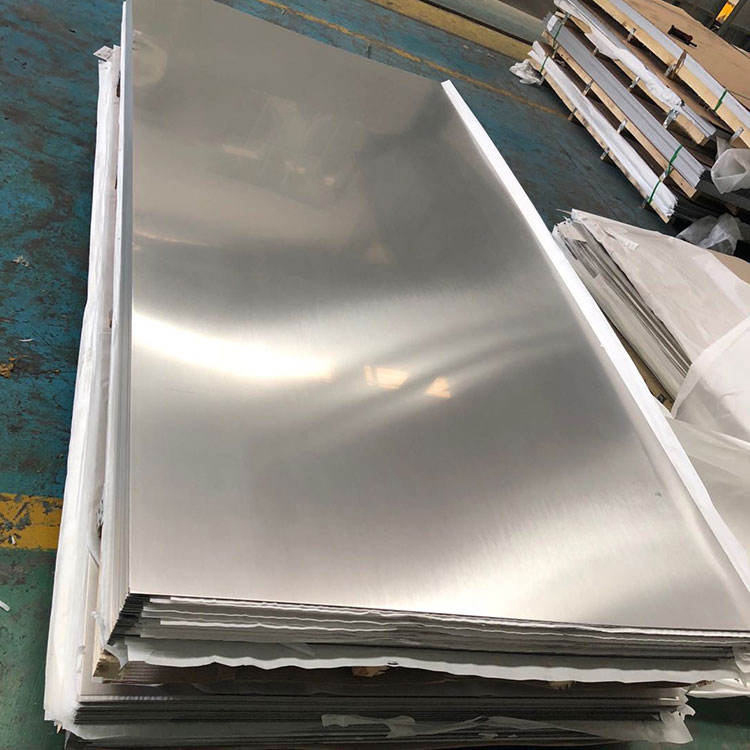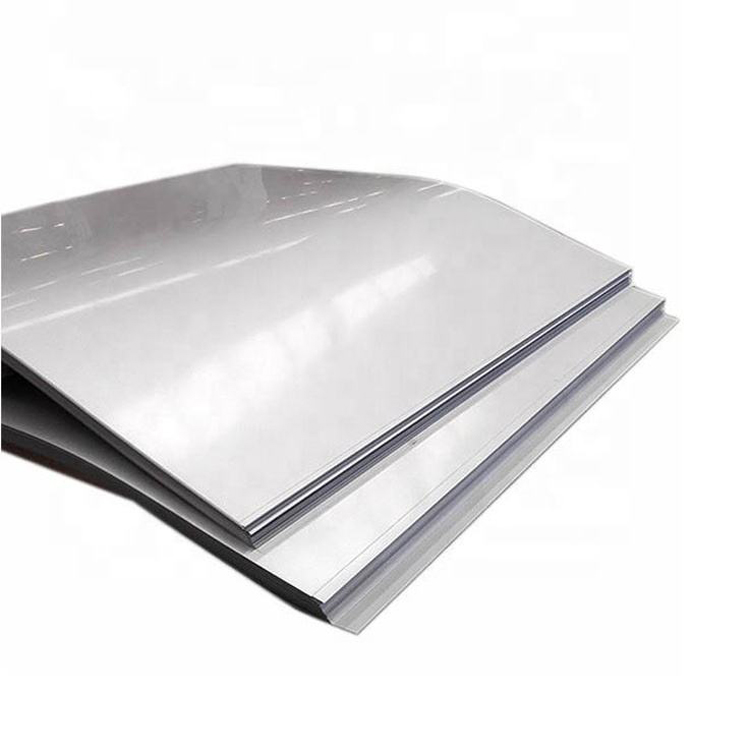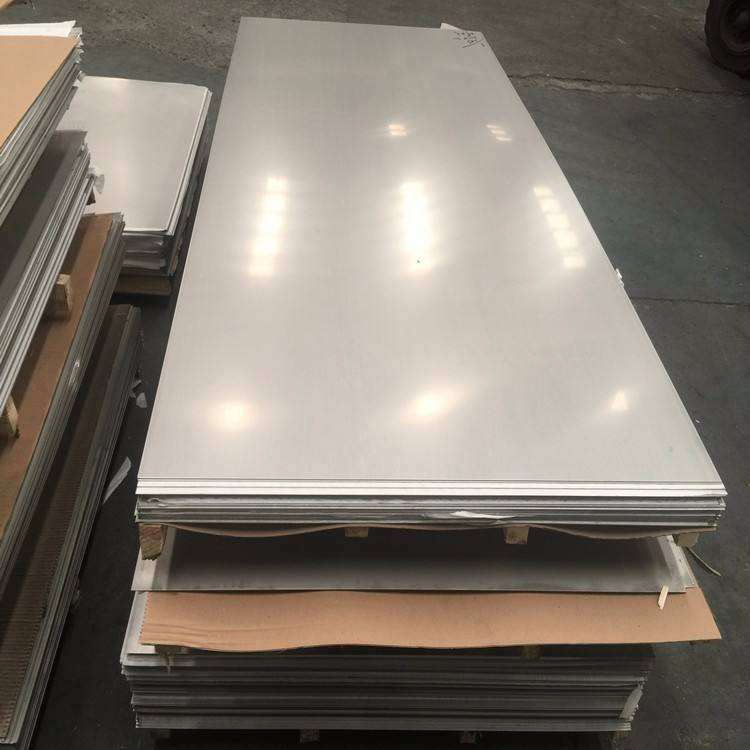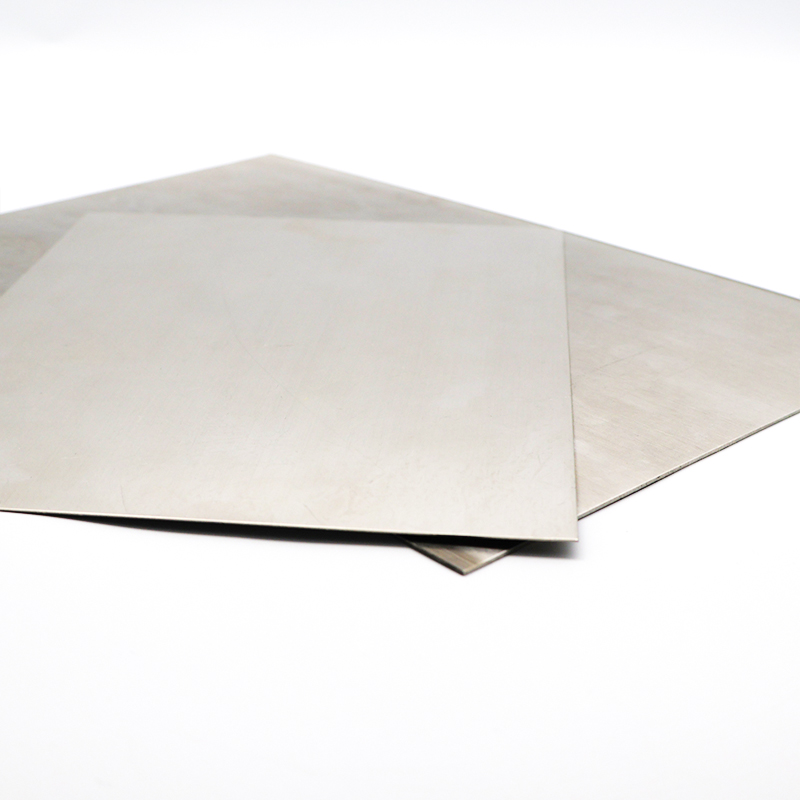
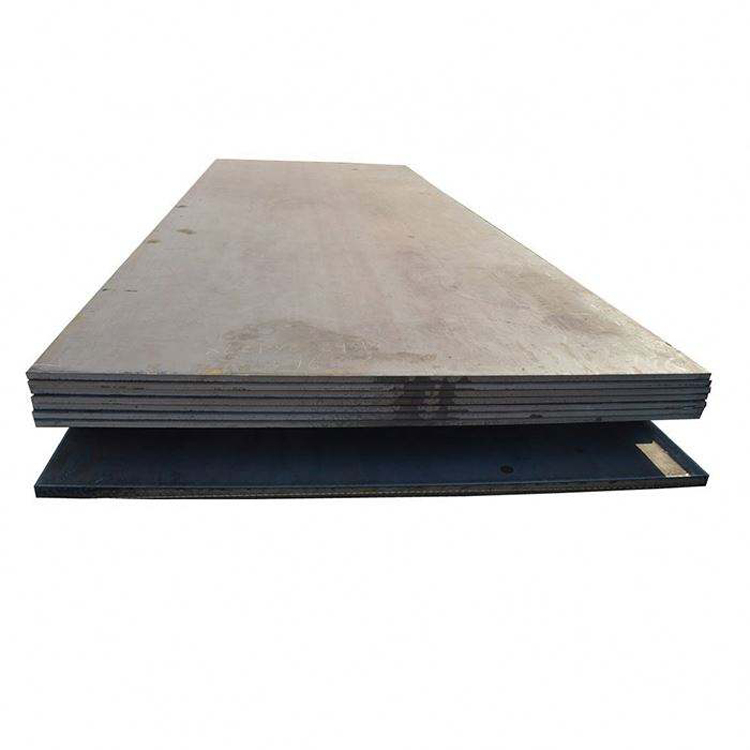
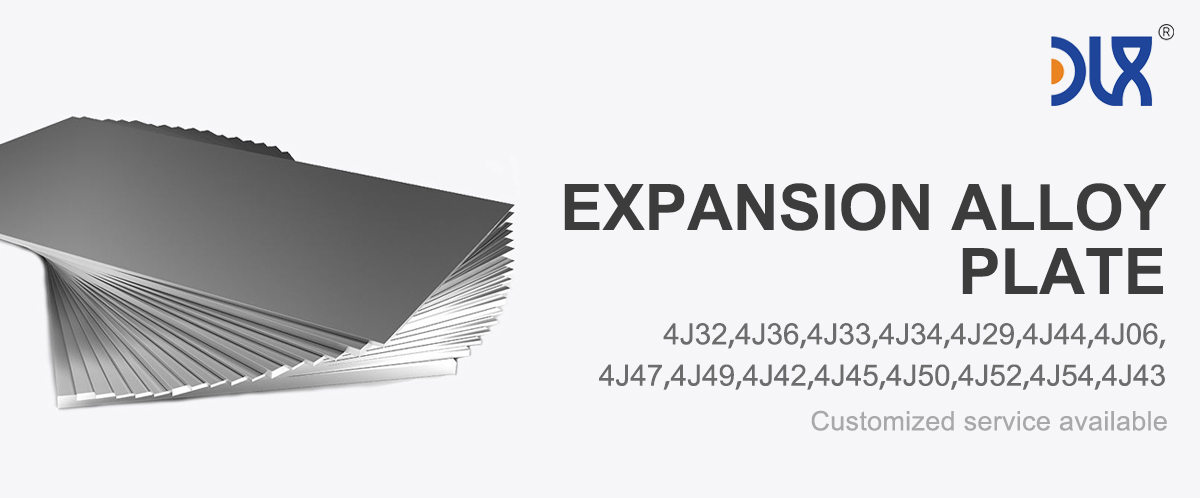
Our 4J45 Iron-Nickel alloy plate is a top choice for precision instrument fabrication, delivering unmatched stability and reliability. Composed of approximately 45% nickel and iron, this alloy is engineered with a low thermal expansion coefficient that aligns perfectly with specific ceramics and glasses. This ensures distortion-free seals in critical components like sensors, gauges, and electronic systems. Operating flawlessly from -70°C to 500°C, our 4J45 alloy combines excellent corrosion resistance, weldability, and machinability, making it ideal for industries where precision is non-negotiable. Whether you’re crafting intricate scientific instruments or robust electronic connectors, our 4J45 plate is designed to perform under pressure.
This alloy is a cornerstone for applications requiring tight tolerances and long-term durability. Its ability to maintain structural integrity under thermal stress sets it apart, ensuring your instruments stay accurate and reliable even in challenging environments. From thin sheets to robust plates, we tailor our 4J45 alloy to meet the exact specifications of your project, delivering a material that’s as versatile as it is dependable.
The precision instrument market is experiencing significant growth, with a projected CAGR of 6.9% through 2030. This surge is driven by advancements in electronics, aerospace, automotive, and telecommunications industries, all of which demand materials that can deliver precision and stability. The rise of IoT devices, 5G infrastructure, electric vehicles (EVs), and smart manufacturing is fueling the need for alloys like 4J45 that offer low thermal expansion and reliable performance.
Precision instruments, such as sensors and gauges, are increasingly deployed in harsh environments, from high-altitude aerospace systems to automotive engine compartments. These applications require materials that can withstand extreme temperatures and maintain dimensional stability to ensure accuracy. Additionally, the push for miniaturization in electronics and the growing complexity of semiconductor designs are increasing the demand for alloys that support high-precision fabrication. Our 4J45 alloy is perfectly positioned to meet these evolving industry needs, providing a reliable solution for manufacturers aiming to stay ahead in a competitive market.
The global focus on sustainability and efficiency is also shaping the industry. Manufacturers are seeking materials that not only perform well but also reduce waste and production costs. Our 4J45 alloy, with its excellent machinability and customizable forms, helps streamline production processes, making it a cost-effective choice for high-volume manufacturing. As industries continue to innovate, the demand for precision alloys like 4J45 is expected to grow, particularly in applications requiring hermetic sealing and thermal stability.
Applications of 4J45 Iron-Nickel Alloy Plate
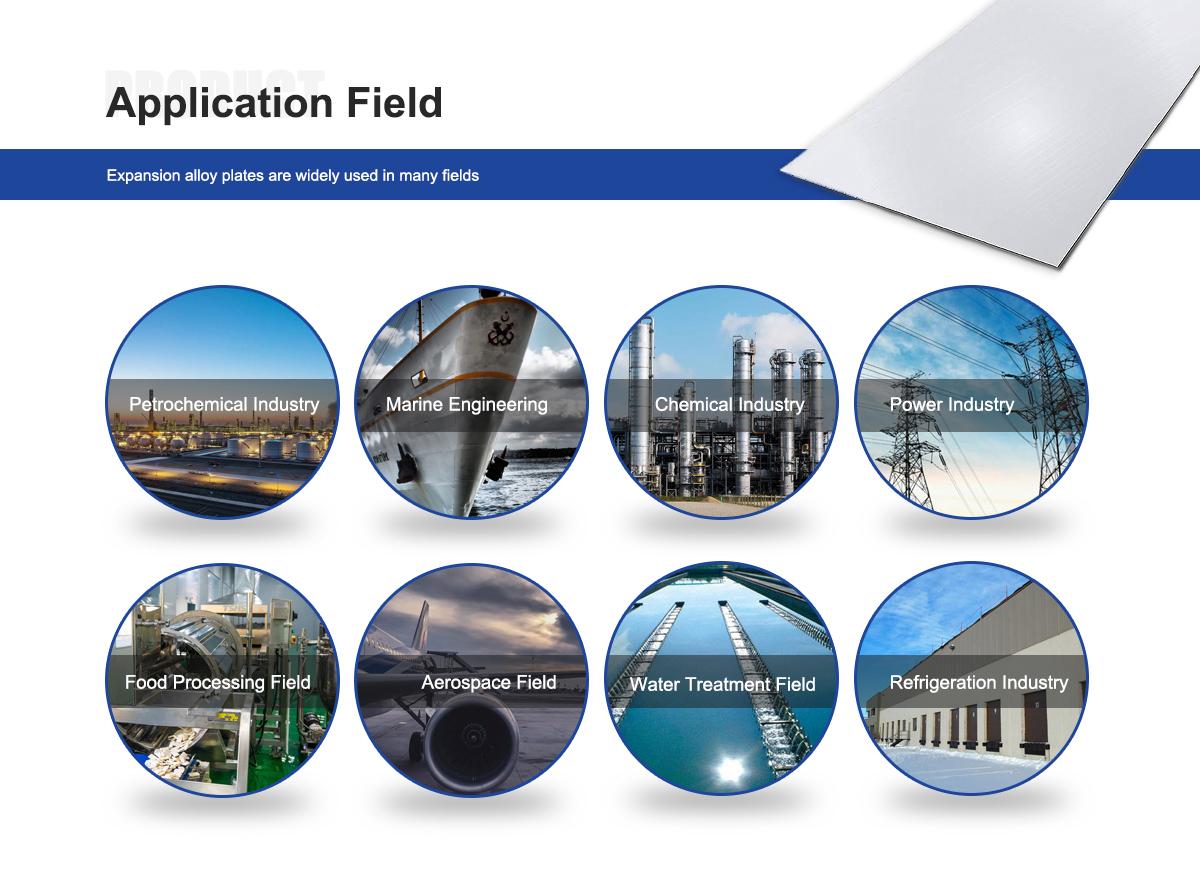
Our 4J45 alloy plate is a versatile material that shines across a wide range of precision applications:
Electronics: Provides stable seals in microelectronic packages, connectors, and circuit boards, ensuring reliable performance in compact designs.
Aerospace: Supports precision instruments like gyroscopes, accelerometers, and avionics sensors, maintaining accuracy under extreme thermal conditions.
Automotive: Powers durable seals in EV battery sensors, fuel injection systems, and advanced driver-assistance systems (ADAS).
Telecommunications: Enhances performance in microwave components and optical systems, where thermal stability is critical.
Scientific Instruments: Used in precision gauges, analytical equipment, and laboratory tools requiring tight tolerances and long-term reliability.
The low thermal expansion of 4J45 makes it ideal for glass-to-metal and ceramic-to-metal sealing, ensuring airtight connections that withstand thermal cycling. Its corrosion resistance also ensures longevity in environments exposed to moisture or chemicals, while its machinability allows for intricate designs without compromising strength. From small-scale sensors to large aerospace components, our 4J45 alloy plate is a trusted solution for precision instrument fabrication across industries.
| Elements | 4J29 | 4J36 | |
| Carbon (C) | Not greater than | 0.03 | 0.05 |
| Sulfur (S) | 0.02 | 0.02 | |
| Phosphorus (P) | 0.02 | 0.02 | |
| Manganese (Mn) | ≤0.50 | 0.20-0.60 | |
| Silicon (Si) | ≤0.30 | ≤0.30 | |
| Nickel (Ni) | 28.5-29.5 | 35.0-37.0 | |
| Chromium (Cr) | - | - | |
| Cobalt (Co) | 16.8-17.8 | - | |
| Iron (Fe) | Rest | Rest | |
| Other Elements |
| Alloy Grade | 20°C-100°C | 20°C-300°C | 20°C-500°C |
| 4J36 Invar Alloy | 1.2×10⁻⁶ /°C | 2.5×10⁻⁶ /°C | - |
| 4J29 Kovar Alloy | 4.6×10⁻⁶ /°C | 5.5×10⁻⁶ /°C | 6.2×10⁻⁶ /°C |
| Alloy Grade | 4J36 Invar Alloy | 4J29 Kovar Alloy |
| Density (g/cm³) | 8.1 | 8.2 |
| Tensile Strength (MPa) | 500-600 | 600-700 |
| Yield Strength (MPa) | 250-350 | 300-400 |
| Hardness (HV) | 150-200 | 200-250 |
| Alloy Grade | 4J36 Invar Alloy | 4J29 Kovar Alloy |
| Electrical Resistivity (10⁻⁶ Ω·cm) | 80 | 50 |
| Thermal Conductivity (W/m·K) | 10-12 | 16-18 |
For more details, pls directly contact us.
Our 4J45 Iron-Nickel alloy plate stands out in the market for its exceptional quality and performance:
Precision Manufacturing: We adhere to ASTM F1466 standards, ensuring consistent chemical composition, tensile strength, and thermal expansion properties. Every batch is rigorously tested to meet the highest industry benchmarks.
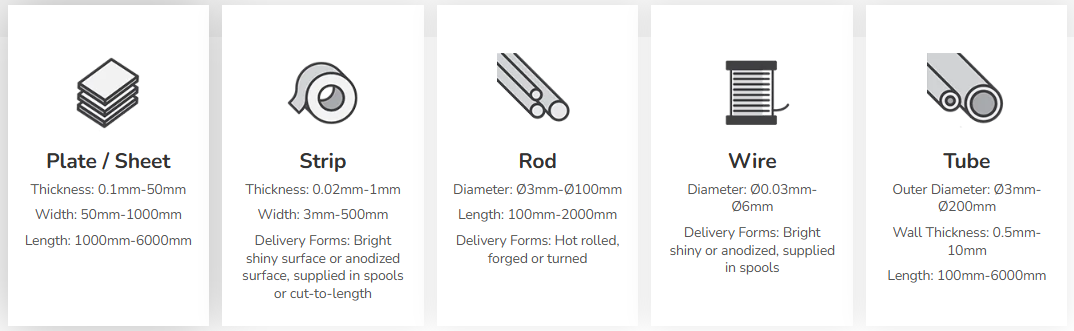
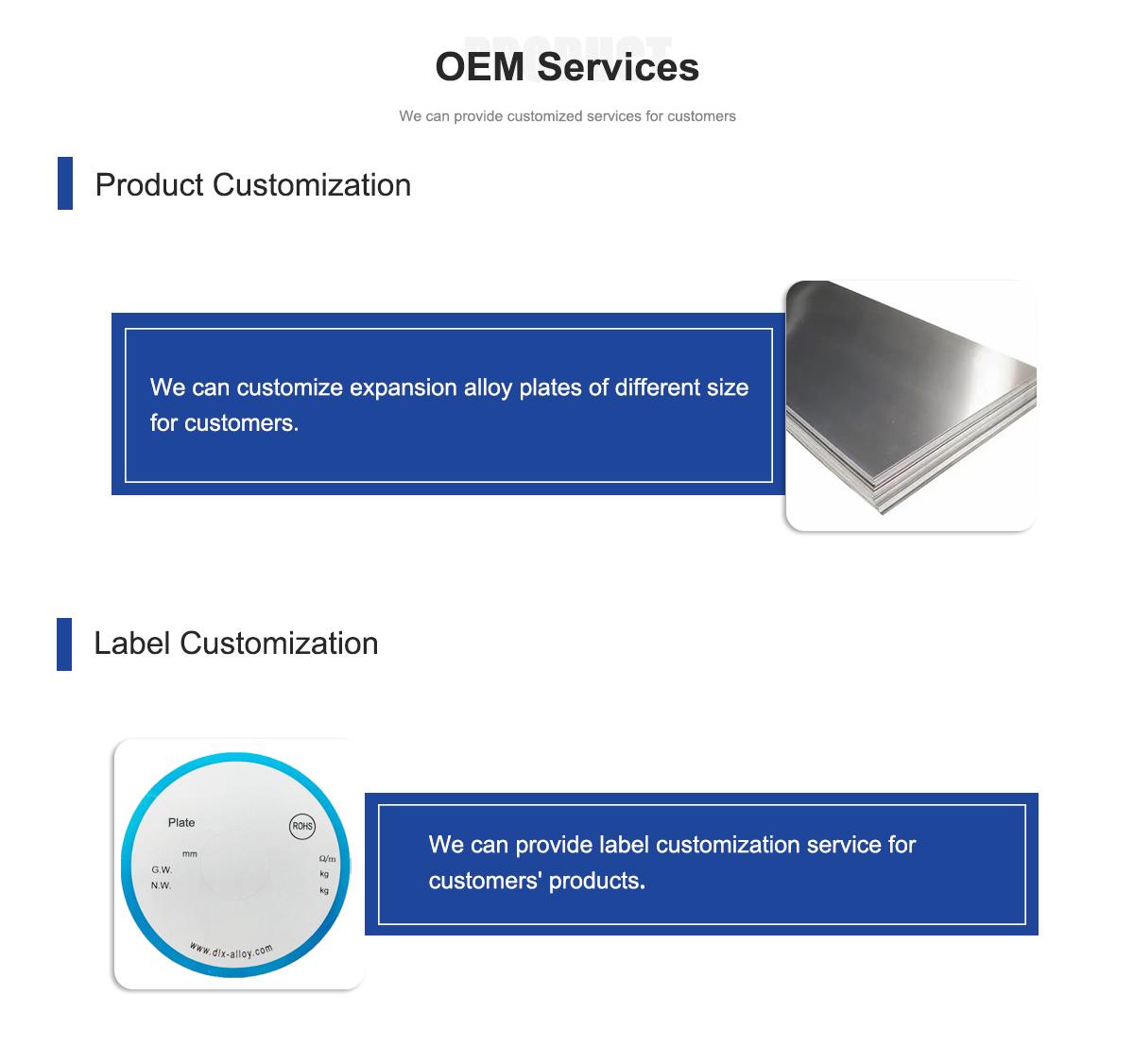
Custom Solutions: We offer tailored sizes, thicknesses (0.2–10mm), and forms (plate, sheet, strip) to match your exact specifications, whether you’re working on a prototype or high-volume production.
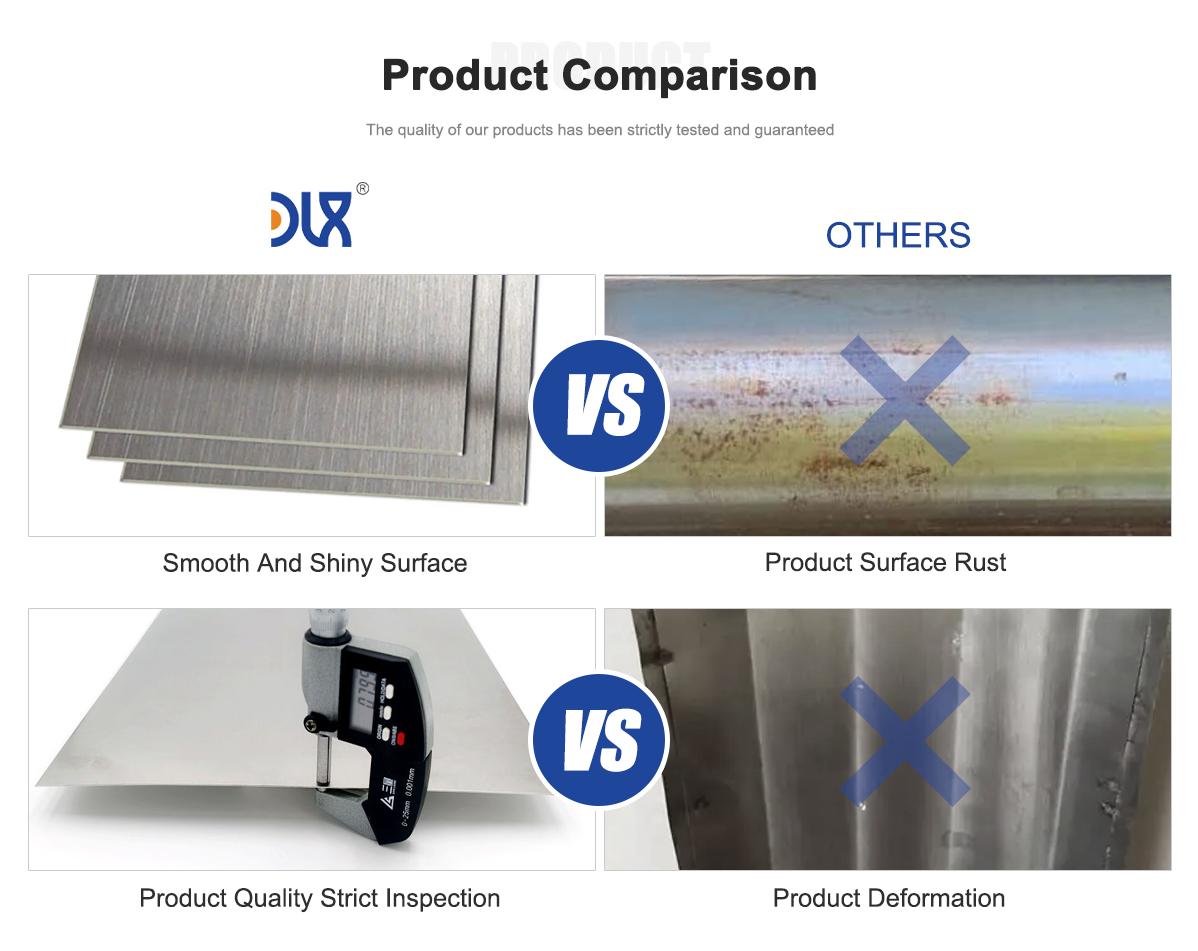
Superior Quality: Our alloy undergoes extensive testing for surface finish, grain size, and inclusion content, guaranteeing flawless performance in precision applications.
Fast Delivery: With flexible minimum order quantities starting at 100kg and readily available stock, we ensure quick turnaround times to keep your projects on schedule.
Expert Support: Our in-house R&D team provides technical guidance to optimize your designs, from material selection to fabrication techniques, ensuring you get the most out of our 4J45 alloy.
Compared to other options, our 4J45 alloy plate offers a unique combination of precision, thermal stability, and cost-efficiency. Its ability to maintain tight tolerances in extreme conditions makes it a standout choice for manufacturers looking to enhance product reliability. Our commitment to customization means you get exactly what you need, without compromise. Plus, our streamlined production and supply chain ensure you receive high-quality materials without delays, giving you a competitive edge in your industry.
Comparison Table: 4J45 Iron-Nickel Alloy Plate vs. Other Precision Alloys
Parameter | 4J45 Iron-Nickel Alloy Plate | Other Precision Alloys |
|---|---|---|
Thermal Expansion (CTE) | Matches ceramics/glass (~5.0 × 10⁻⁶ /K) | Varies, often less compatible |
Temperature Range | -70°C to 500°C | Typically limited to 200–450°C |
Corrosion Resistance | Excellent, resists harsh environments | Moderate, depends on alloy composition |
Weldability | High, supports robust hermetic seals | Inconsistent, some alloys less reliable |
Machinability | Superior, enables precision fabrication | Moderate, may require specialized tools |
Applications | Electronics, aerospace, precision instruments | Limited to less demanding uses |
Durability | Exceptional, resists thermal fatigue | Varies, may degrade under extremes |
Customization | Highly customizable (size, form, thickness) | Limited flexibility in customization |
The 4J45 alloy’s low thermal expansion coefficient (~5.0 × 10⁻⁶ /K) is a key factor in its success, allowing it to maintain dimensional stability when paired with ceramics or glasses. This is critical for applications like hermetic sealing, where even minor mismatches can lead to cracks or failures. The alloy’s high corrosion resistance protects it from degradation in harsh environments, such as automotive systems exposed to chemicals or aerospace components facing high-altitude conditions. Its weldability ensures strong, reliable seals, while its machinability allows for intricate designs, making it a favorite for precision instrument manufacturers.
Our 4J45 alloy is also highly adaptable, available in a range of thicknesses and forms to suit diverse applications. Whether you need thin sheets for microelectronics or thicker plates for robust aerospace components, we can deliver the exact specifications you require. This flexibility, combined with our rigorous quality control, ensures that every piece of 4J45 alloy meets the demanding requirements of modern manufacturing.
Market Positioning and Future Outlook
As the precision instrument market continues to grow, our 4J45 alloy is well-positioned to meet the needs of industries pushing the boundaries of technology. The increasing adoption of IoT devices, autonomous vehicles, and advanced aerospace systems is driving demand for materials that can deliver both performance and reliability. Our 4J45 alloy is a critical component in this landscape, offering manufacturers a material that supports innovation while maintaining cost-effectiveness.
Looking ahead, the focus on sustainability and efficiency will further elevate the importance of precision alloys. Our 4J45 alloy, with its durable properties and ability to reduce production waste, aligns with these industry trends. We are committed to staying at the forefront of innovation, continuously refining our manufacturing processes to deliver materials that meet the evolving needs of our customers.
Conclusion
Our 4J45 Iron-Nickel alloy plate is the ultimate solution for precision instrument fabrication. Its low thermal expansion, exceptional durability, and versatility make it a trusted material for electronics, aerospace, automotive, and telecommunications applications. As industries demand more precise, reliable, and efficient components, our 4J45 alloy rises to the challenge, delivering unmatched performance in even the most demanding environments. Backed by our commitment to quality, customization, and rapid delivery, this alloy is the smart choice for manufacturers looking to stay ahead. Choose our 4J45 Iron-Nickel alloy plate to power your next project with precision, reliability, and cost-efficiency.
For more details, pls directly contact us.
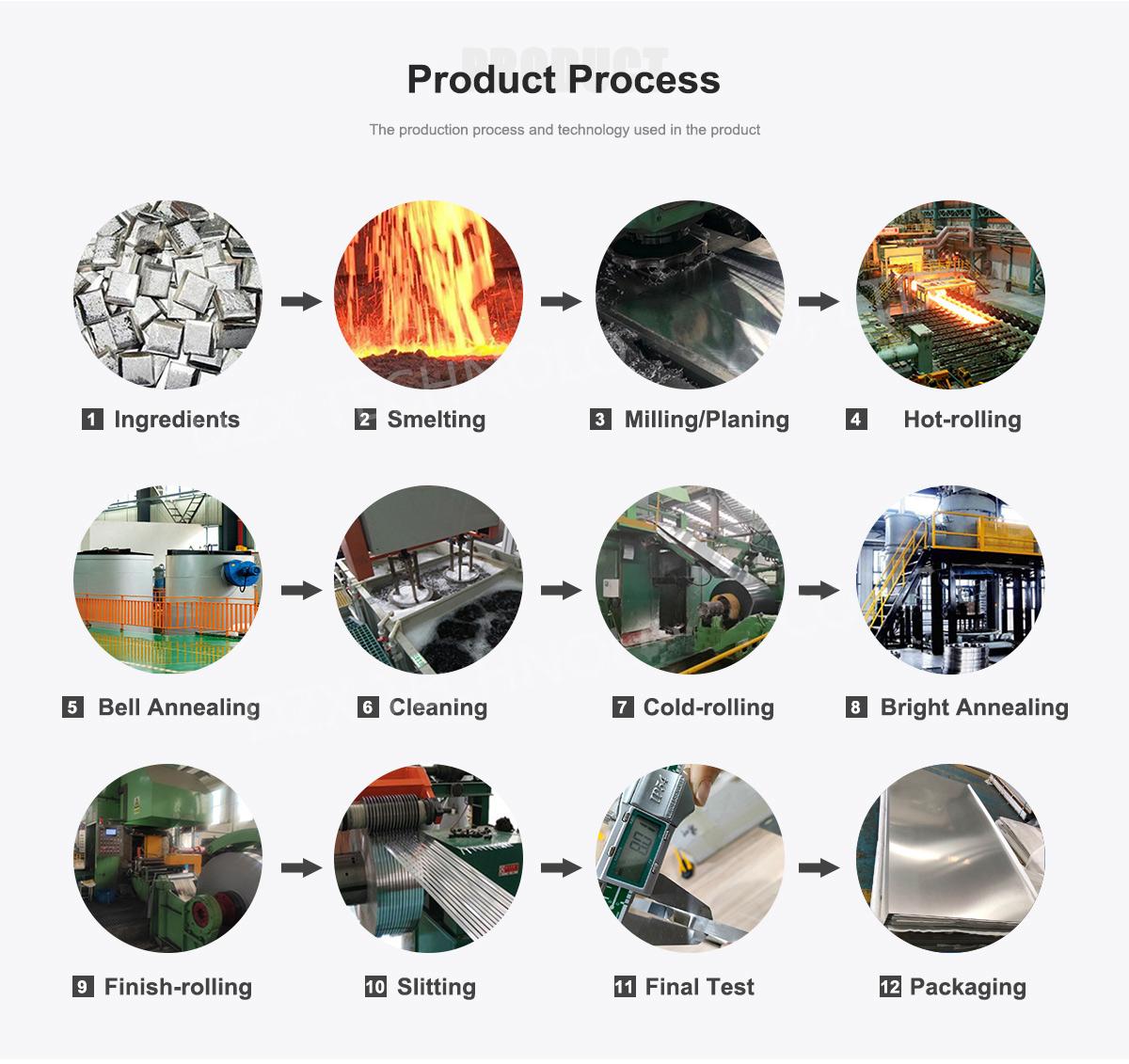
About Us:
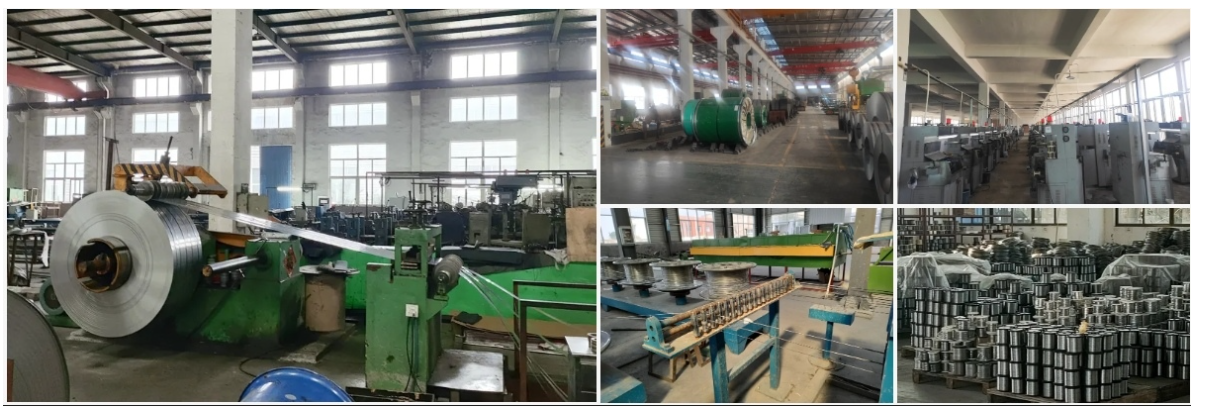
Our 12,000㎡ factory is equipped with complete capabilities for research, production, testing, and packaging. We strictly adhere to ISO 9001 standards in our production processes, with an annual output of 1,200 tons. This ensures that we meet both quantity and quality demands. Furthermore, all products undergo rigorous simulated environment testing including high temperature, high pressure, and corrosion tests before being dispatched, ensuring they meet customer specifications. For all our clients, we offer timely and multilingual after-sales support and technical consulting, helping you resolve any issues swiftly and efficiently.
Client Visits
Building Stronger Partnerships

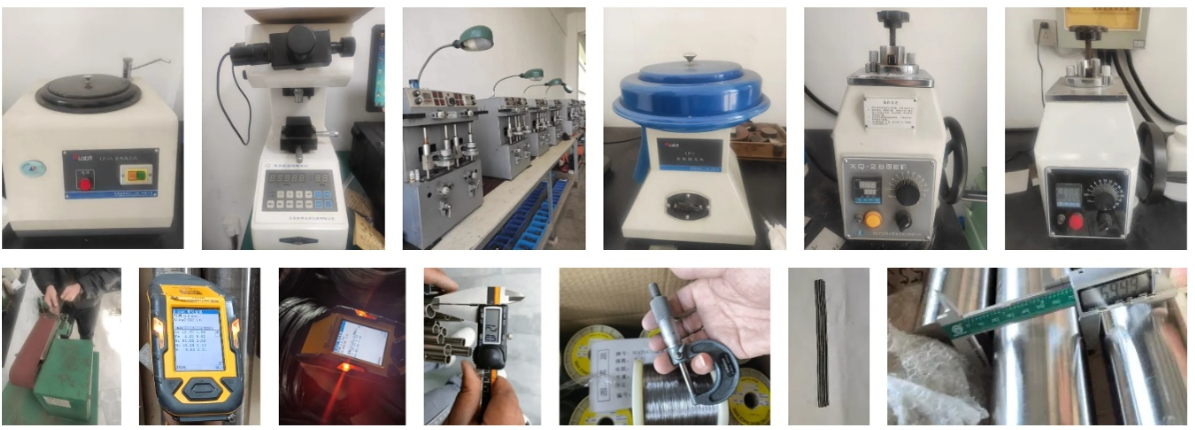
We support all kinds of testing:

FAQs
What is 4J45 Iron-Nickel alloy plate used for?
It’s used for precision instrument fabrication, ensuring stable, reliable seals in sensors, gauges, and electronic components.Why is 4J45 ideal for precision instruments?
Its low thermal expansion coefficient matches ceramics and glasses, preventing distortion during temperature changes.Which industries use 4J45 alloy plates?
Electronics, aerospace, automotive, telecommunications, and scientific instrument industries rely on it for accuracy and durability.How does 4J45 perform in extreme conditions?
It remains stable from -70°C to 500°C, making it ideal for precision applications in harsh environments.What are the key properties of 4J45 alloy?
Low thermal expansion, excellent corrosion resistance, high weldability, and superior machinability for precise fabrication.Can 4J45 be customized for specific projects?
Yes, we offer custom thicknesses, widths, and forms (plate, sheet, strip) to meet your project requirements.What standards does 4J45 meet?
It complies with ASTM F1466 and other industry standards for composition, strength, and thermal properties.How does 4J45 enhance instrument longevity?
Its thermal stability and resistance to stress ensure durable, long-lasting performance in precision instruments.