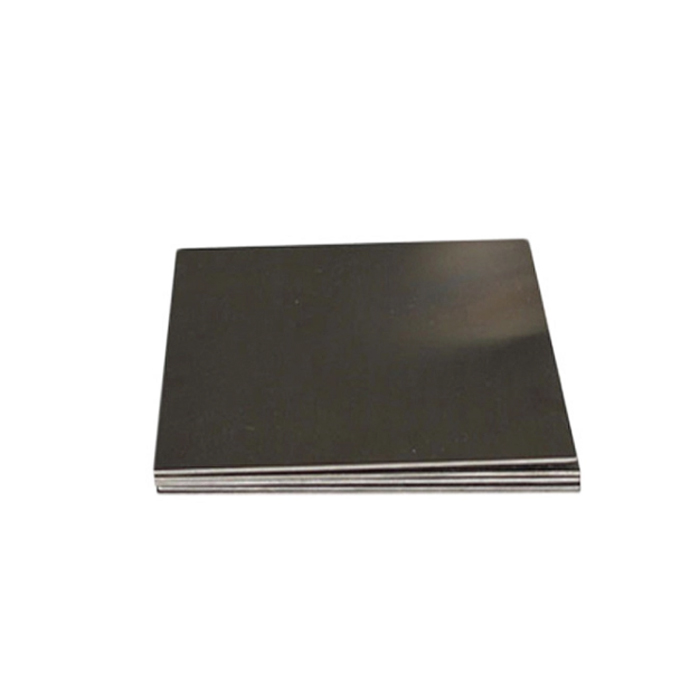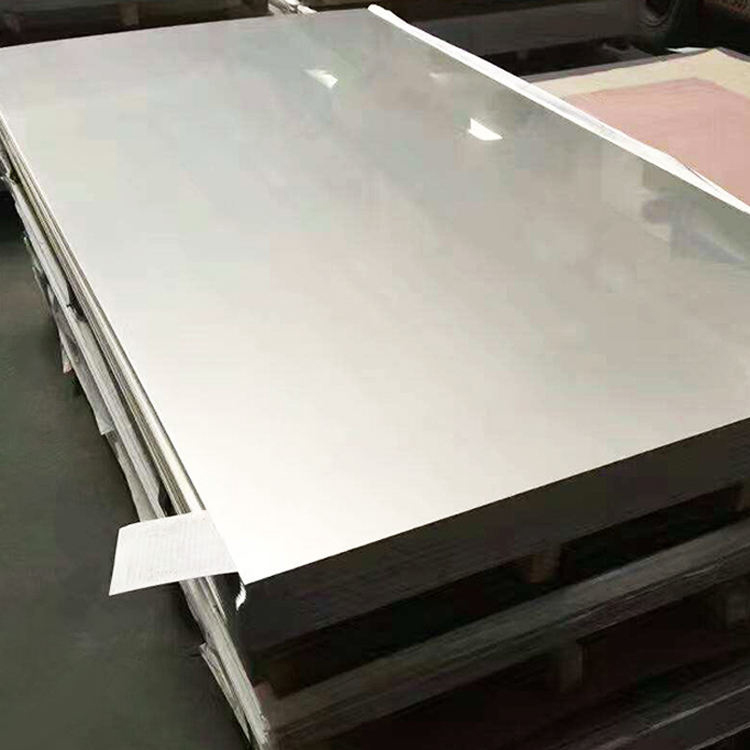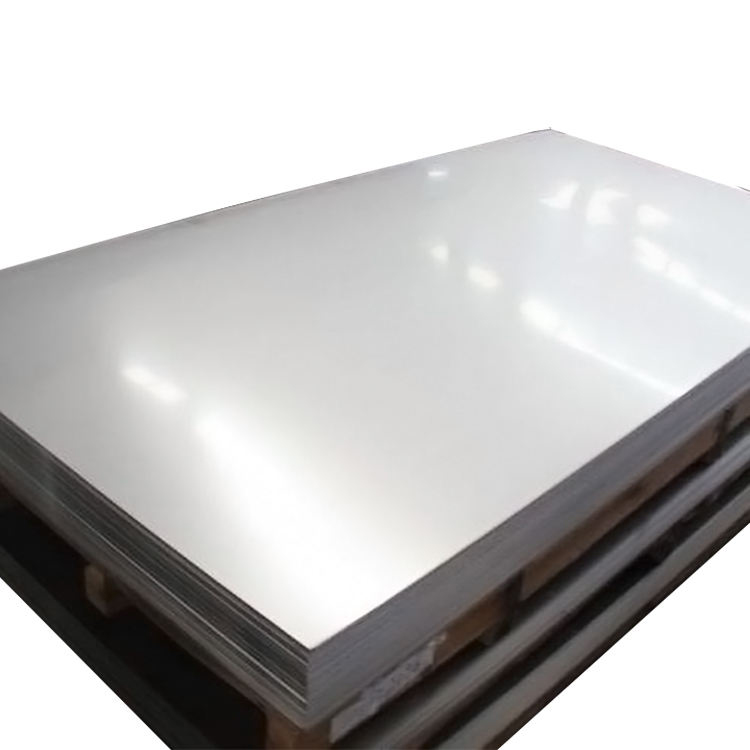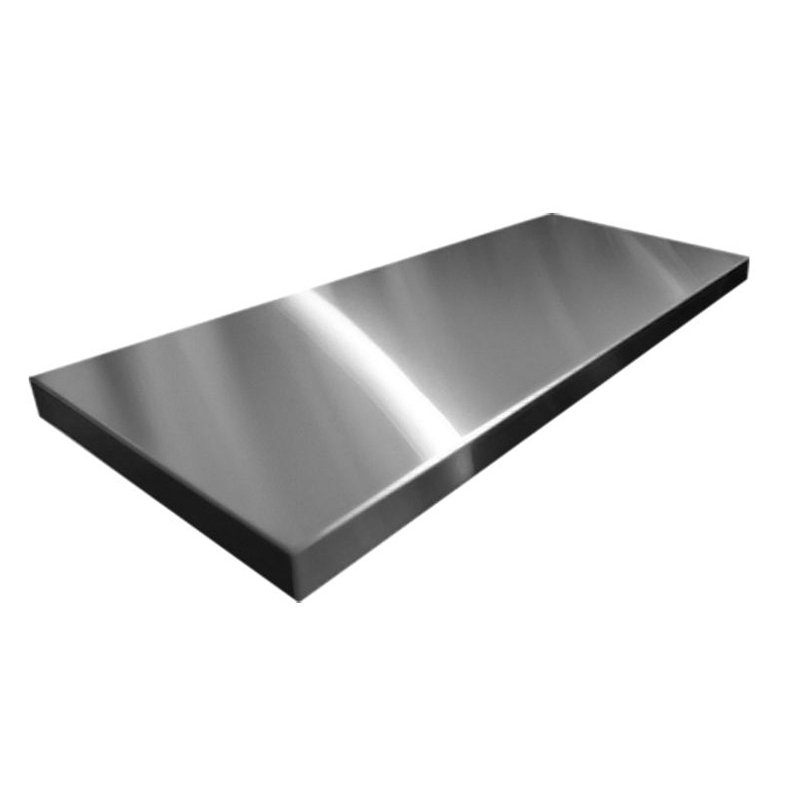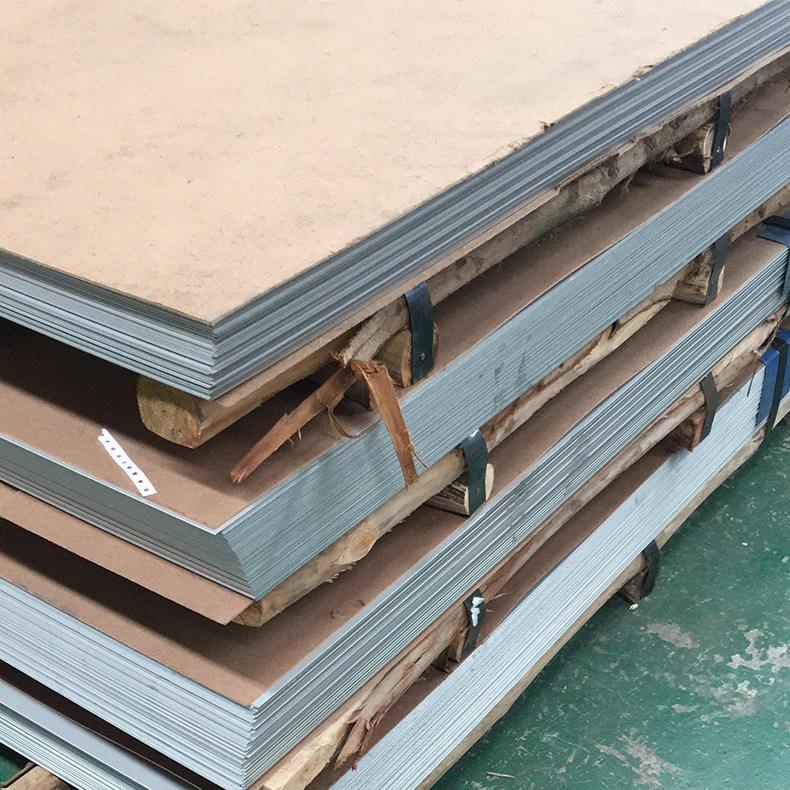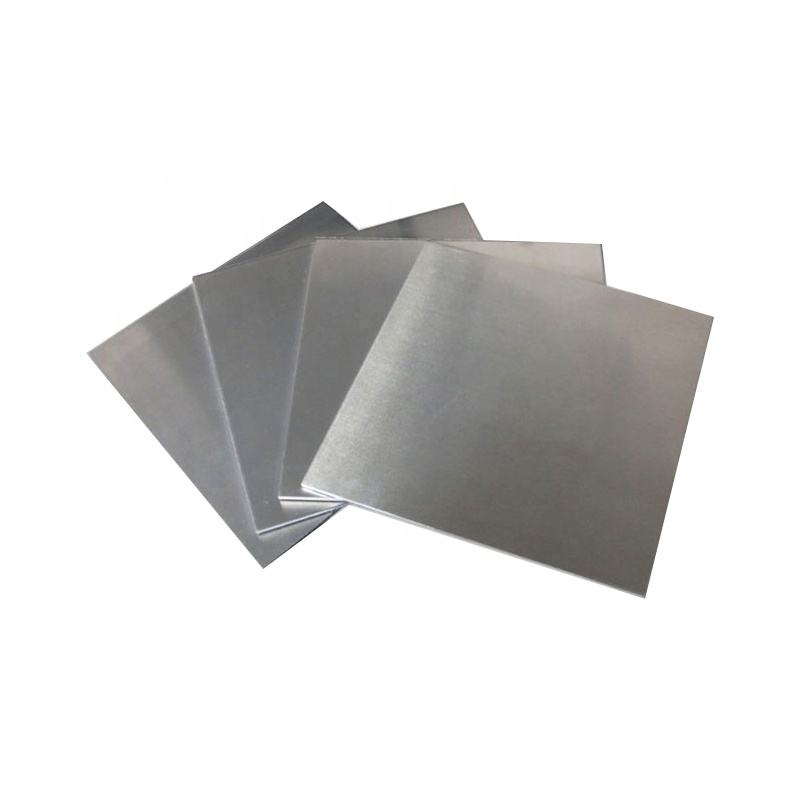
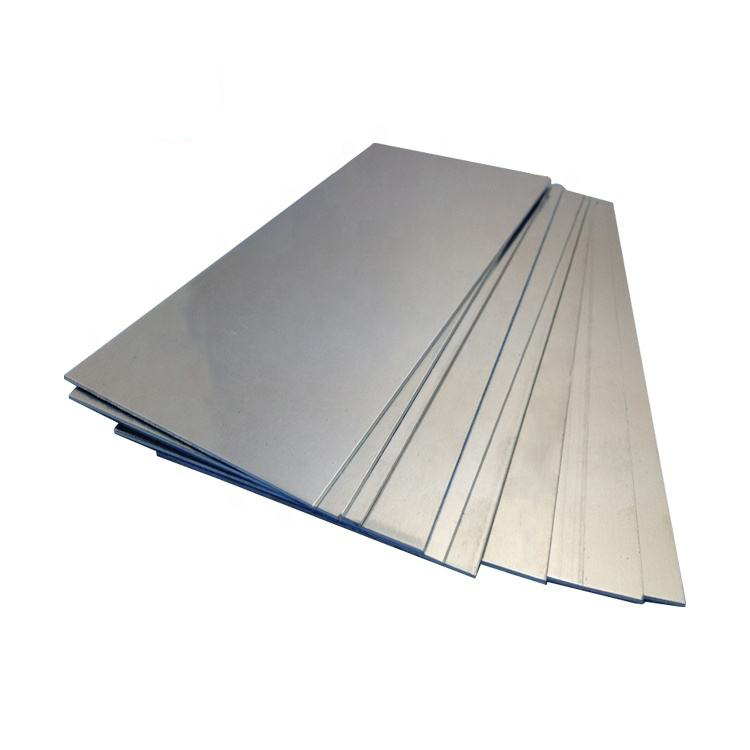
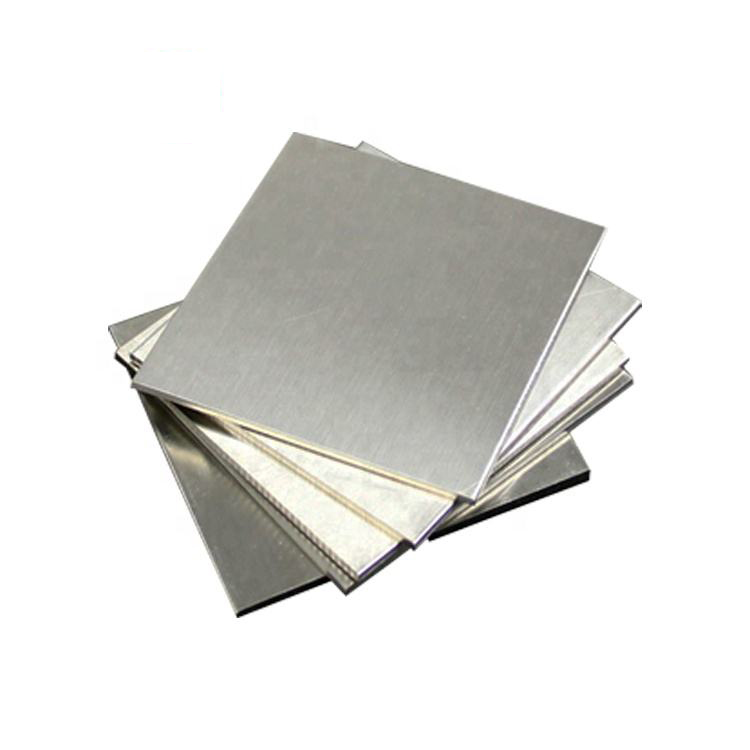
The 4J34 Nickel-Iron Alloy Plate is a high-precision material engineered for controlled thermal expansion, making it ideal for electronic packaging, semiconductor substrates, and precision instruments. Its combination of low coefficient of thermal expansion (CTE), mechanical stability, and corrosion resistance allows designers to maintain dimensional integrity in temperature-sensitive applications.
At DLX Alloy, we specialize in producing 4J34 plates with tight chemical control, precise thickness, and superior surface finish, ensuring consistent performance in advanced electronic assemblies and high-reliability devices.
4J34 is a nickel-iron alloy containing roughly 34% nickel and 66% iron, designed to provide a CTE that matches typical electronic substrates. Its thermal expansion stability is crucial in environments where temperature fluctuations can compromise device performance.
Key material properties include:
Low thermal expansion to prevent stress in electronic packages
Excellent mechanical strength and ductility
Corrosion and oxidation resistance for long-term reliability
Stable magnetic and electrical properties
High processability, allowing precision cutting, forming, and machining
DLX Alloy employs vacuum induction melting, precision rolling, and controlled annealing, producing 4J34 plates with uniform microstructure, low residual stress, and high surface quality—essential for electronic packaging applications.
Alloy Composition Table
Alloy Grades | C | S | P | Mn | Si | Ni | Cr | Co | Mo | Cu | Al | Nb | Fe | Other Elements |
|---|---|---|---|---|---|---|---|---|---|---|---|---|---|---|
1J06 | 0.04 | 0.015 | 0.015 | ≤0.10 | ≤0.15 | - | - | - | - | - | 5.5-6.5 | - | Rest | - |
1J12 | 0.03 | 0.015 | 0.015 | ≤0.10 | ≤0.15 | - | - | - | - | - | 11.6-12.4 | - | Rest | - |
1J17 | 0.03 | 0.02 | 0.02 | ≤0.60 | ≤0.20 | - | 15.5-16.5 | - | - | - | - | - | Rest | - |
1J18 | 0.03 | 0.02 | 0.02 | 0.3-0.7 | ≤0.15 | 0.5-0.7 | 17-18.5 | - | - | - | - | - | Rest | Ti: 0.3-0.7 |
1J22 | 0.04 | 0.02 | 0.02 | ≤0.3 | ≤0.3 | ≤0.5 | - | 49-51 | - | ≤0.2 | - | - | Rest | V: 0.8-1.8 |
1J30 | 0.04 | 0.02 | 0.02 | ≤0.40 | ≤0.30 | 29.5-30.5 | - | - | - | - | - | - | Rest | - |
1J36 | 0.03 | 0.02 | 0.02 | ≤0.60 | ≤0.20 | 35.0-37.0 | - | - | - | - | - | - | Rest | - |
1J38 | 0.03 | 0.05 | 0.02 | 0.3-0.6 | 0.15-0.3 | 37.5-38.5 | 12.5-13.5 | - | - | - | - | - | Rest | - |
1J46 | 0.03 | 0.02 | 0.02 | 0.6-1.1 | 0.15-0.3 | 45.0-46.5 | - | - | - | ≤0.2 | - | - | Rest | - |
1J50 | 0.03 | 0.02 | 0.02 | 0.3-0.6 | 0.15-0.3 | 49-50.5 | - | - | - | ≤0.2 | - | - | Rest | - |
1J51 | 0.03 | 0.02 | 0.02 | 0.3-0.6 | 0.15-0.3 | 49-50.5 | - | - | - | ≤0.2 | - | - | Rest | - |
1J54 | 0.03 | 0.02 | 0.02 | 0.3-0.6 | 1.1-1.4 | 49.5-51 | 3.8-4.2 | - | - | ≤0.2 | - | - | Rest | - |
1J76 | 0.03 | 0.02 | 0.02 | 0.3-0.6 | 0.15-0.3 | 75.0-76.5 | 1.8-2.2 | - | - | 4.8-5.2 | - | - | Rest | - |
1J77 | 0.03 | 0.02 | 0.02 | 0.3-0.6 | 0.15-0.3 | 75.5-78 | - | - | 3.9-4.5 | 4.8-6.0 | - | - | Rest | - |
1J79 | 0.03 | 0.02 | 0.02 | 0.6-1.10 | 0.3-0.5 | 78.5-80.0 | - | - | 3.8-4.1 | ≤0.2 | - | - | Rest | - |
1J80 | 0.03 | 0.02 | 0.02 | 0.6-1.10 | 1.1-1.5 | 79.0-81.5 | 2.6-3.0 | - | - | ≤0.2 | - | - | Rest | - |
1J85 | 0.03 | 0.02 | 0.02 | 0.3-0.60 | 0.15-0.3 | 79.0-81.0 | - | - | 4.8-5.2 | ≤0.2 | - | - | Rest | - |
1J87 | 0.03 | 0.02 | 0.02 | 0.3-0.6 | ≤0.3 | 78.5-80.5 | - | - | 1.6-2.2 | - | - | 6.5-7.5 | Rest | - |
For more details, pls directly contact us.
4J34 alloy plates are used wherever dimensional stability under thermal cycling is essential:
Electronic packaging: substrates for high-reliability semiconductor devices
Precision instruments: frames and components where thermal drift must be minimized
Glass-to-metal or ceramic sealing: hermetic enclosures for sensors and electronics
Vacuum devices: tubes and electronic assemblies that require low expansion
Relays and switches in precision electronics
Scientific equipment: instrumentation requiring thermal stability for accurate measurements
DLX Alloy provides custom plate thickness, size, and surface finish, enabling easy integration into complex electronic and industrial assemblies.
With the rapid growth of semiconductors, aerospace electronics, and precision instruments, materials with controlled thermal expansion are increasingly critical. Components must maintain dimensional accuracy under temperature fluctuations to ensure reliability and functionality.
Current trends impacting 4J34 demand include:
Miniaturization of electronic devices, where even small thermal expansion can cause misalignment
High-density semiconductor packaging, requiring materials with matched CTEs to avoid stress or cracking
Aerospace and defense electronics, needing stable materials under extreme thermal cycling
Precision scientific instrumentation, where minimal thermal drift is essential
DLX Alloy meets these challenges by producing 4J34 plates with tight chemical control, uniform microstructure, and precise dimensional tolerances, ensuring reliable performance in high-tech applications.
| Property / Alloy | 4J34 | 4J36 (Invar) | 4J33 | 4J42 |
|---|---|---|---|---|
| Nickel Content (%) | 34 | 36 | 33 | 42 |
| CTE (20–100°C, ×10⁻⁶/°C) | 2.5 | 1.2 | 3.0 | 2.0 |
| Density (g/cm³) | 8.05 | 8.1 | 8.0 | 8.1 |
| Yield Strength (MPa) | 230–330 | 250–350 | 220–320 | 300–400 |
| Thermal Stability | Very Good | Excellent | Good | Very Good |
| Corrosion Resistance | Good | Good | Good | Good |
| Typical Applications | Electronic packaging, precision instruments | Aerospace, precision instruments | Vacuum devices, sensors | Low-expansion frames, sealing |
| Processability | Good | Excellent | Good | Good |
The table shows that 4J34 provides a balance of low thermal expansion and strong mechanical properties, making it ideal for electronic packaging and precision assemblies.
Why Choose DLX Alloy
DLX Alloy combines metallurgical expertise with advanced production technology to deliver high-performance 4J34 plates.
Advantages of DLX 4J34 plates include:
Vacuum induction melting for chemical uniformity and minimal impurities
Precision rolling and annealing to reduce internal stress and optimize microstructure
Strict dimensional control for precise integration in electronic packages
Customizable surface finishes suitable for plating or coating
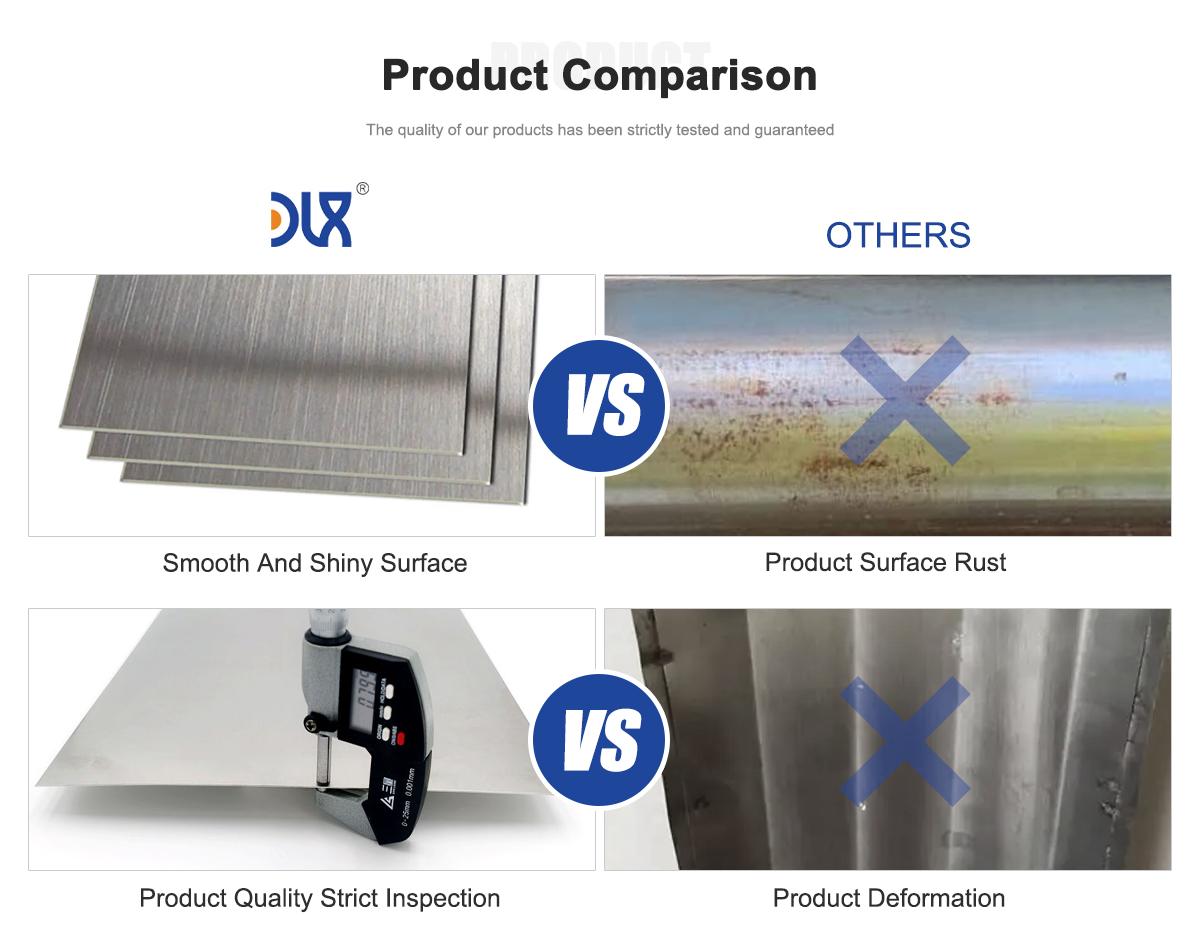
Comprehensive testing including CTE, mechanical, and chemical analysis
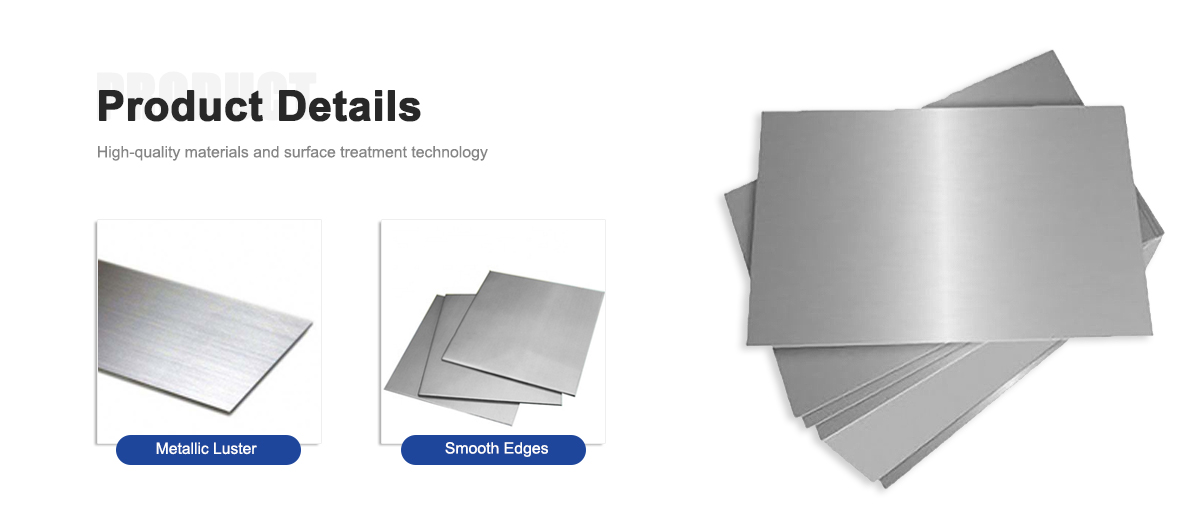
These advantages ensure that DLX 4J34 plates are reliable, durable, and consistent, meeting the needs of electronics, aerospace, and high-precision instrumentation.
DLX Production and Quality Assurance
DLX Alloy uses state-of-the-art equipment and rigorous quality control protocols:
Vacuum induction melting to ensure chemical purity and uniformity
High-precision rolling and controlled annealing for uniform thickness and stress relief
Dimensional and surface inspections for flatness, thickness, and finish
CTE and mechanical property verification for every batch
DLX Alloy also provides customized 4J34 plates to meet specific application requirements, ensuring seamless integration into high-precision electronic and industrial systems.
Sustainability and Market Outlook
The market for low-expansion alloy plates continues to grow alongside electronics, aerospace, and precision instrumentation sectors. Components require materials with stable dimensions under thermal cycling to maintain reliability and performance.
DLX Alloy applies sustainable production methods, reducing waste, recycling scrap metal, and optimizing energy consumption during melting and rolling. With the rise of high-density electronic packaging and aerospace electronics, DLX is positioned to supply reliable, high-quality 4J34 plates for global applications.
4J34 Controlled Expansion Alloy Plate is a critical material for electronic packaging, precision instruments, and high-reliability assemblies, offering low thermal expansion, mechanical stability, and corrosion resistance. Its properties ensure reliable performance in systems where temperature fluctuations could compromise accuracy.
DLX Alloy guarantees high-quality 4J34 plates with consistent chemical composition, precise dimensional control, and excellent thermal performance, supporting customers in electronics, aerospace, and instrumentation industries worldwide.

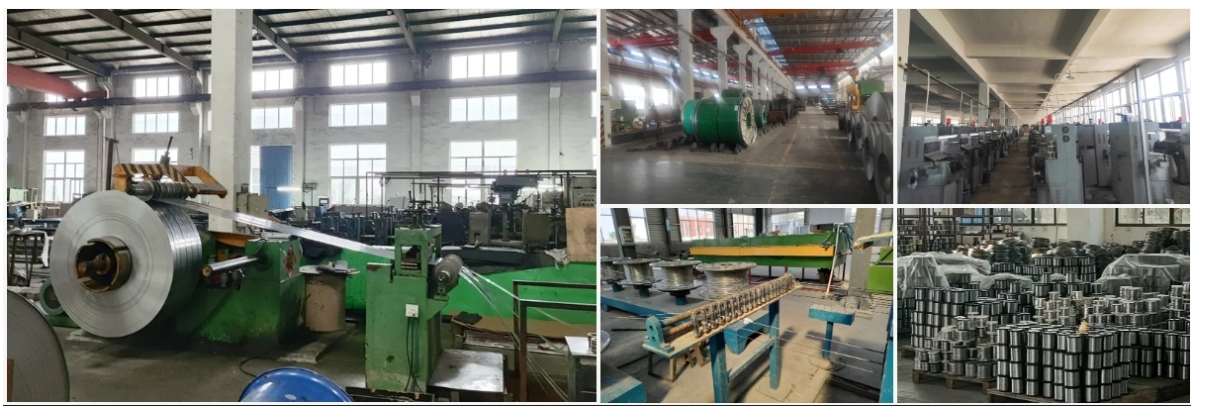
About Us:
Our 12,000㎡ factory is equipped with complete capabilities for research, production, testing, and packaging. We strictly adhere to ISO 9001 standards in our production processes, with an annual output of 1,200 tons. This ensures that we meet both quantity and quality demands. Furthermore, all products undergo rigorous simulated environment testing including high temperature, high pressure, and corrosion tests before being dispatched, ensuring they meet customer specifications.
For all our clients, we offer timely and multilingual after-sales support and technical consulting, helping you resolve any issues swiftly and efficiently.
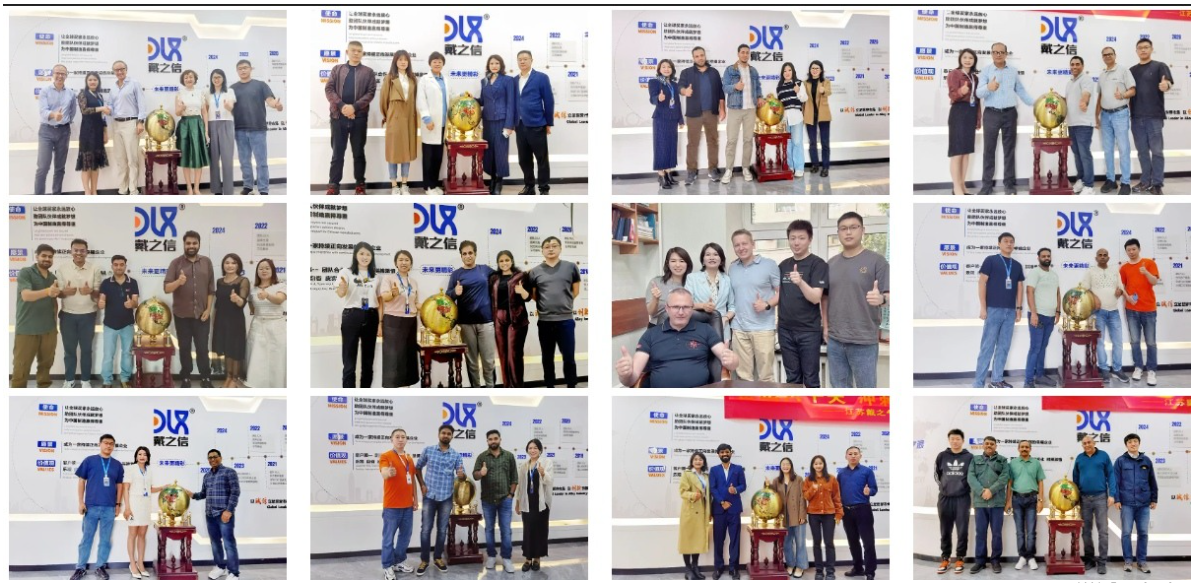
Client Visits
Building Stronger Partnerships
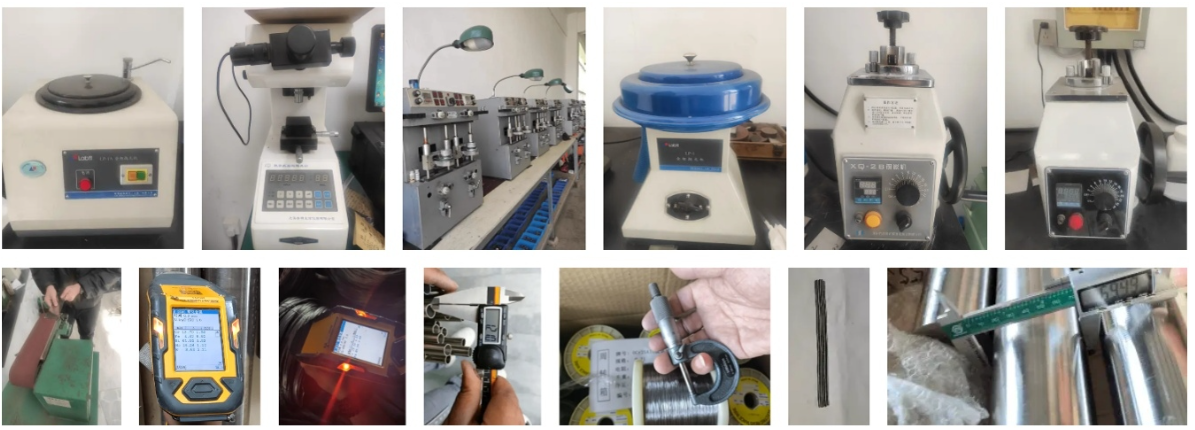
We support all kinds of testing:

FAQs:
1. What is the composition of 4J34?
Approximately 34% nickel and 66% iron, engineered for low thermal expansion in electronic applications.
2. What is the main benefit of 4J34 plates?
Controlled thermal expansion ensures dimensional stability in electronic packaging and precision instruments.
3. Which industries use 4J34 plates?
Electronics, aerospace, semiconductor packaging, and precision instrumentation.
4. How does 4J34 compare to 4J36?
4J36 offers slightly lower CTE, but 4J34 provides an excellent balance for electronic packaging applications.
5. Can DLX Alloy customize plate sizes and thickness?
Yes, DLX provides tailored dimensions, thicknesses, and surface finishes for specific applications.
6. Is 4J34 suitable for glass-to-metal sealing?
Yes, its thermal expansion is compatible with glass and ceramics, preventing cracks or leakage.
7. What heat treatment improves 4J34 properties?
Controlled annealing reduces internal stress and optimizes thermal stability.
8. Does DLX Alloy provide testing reports?
Yes, each batch includes CTE, mechanical, and chemical analysis documentation.