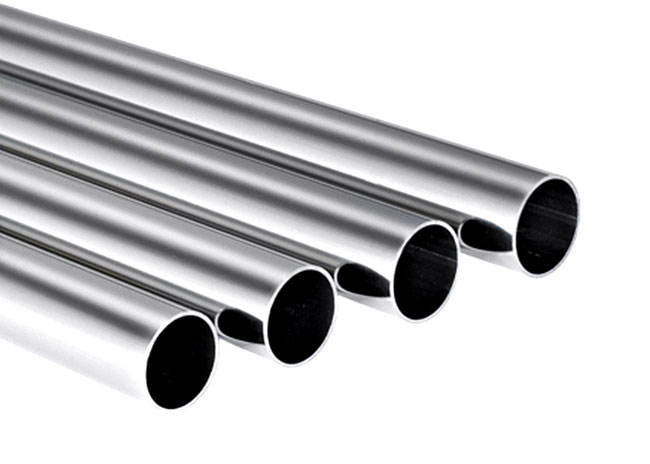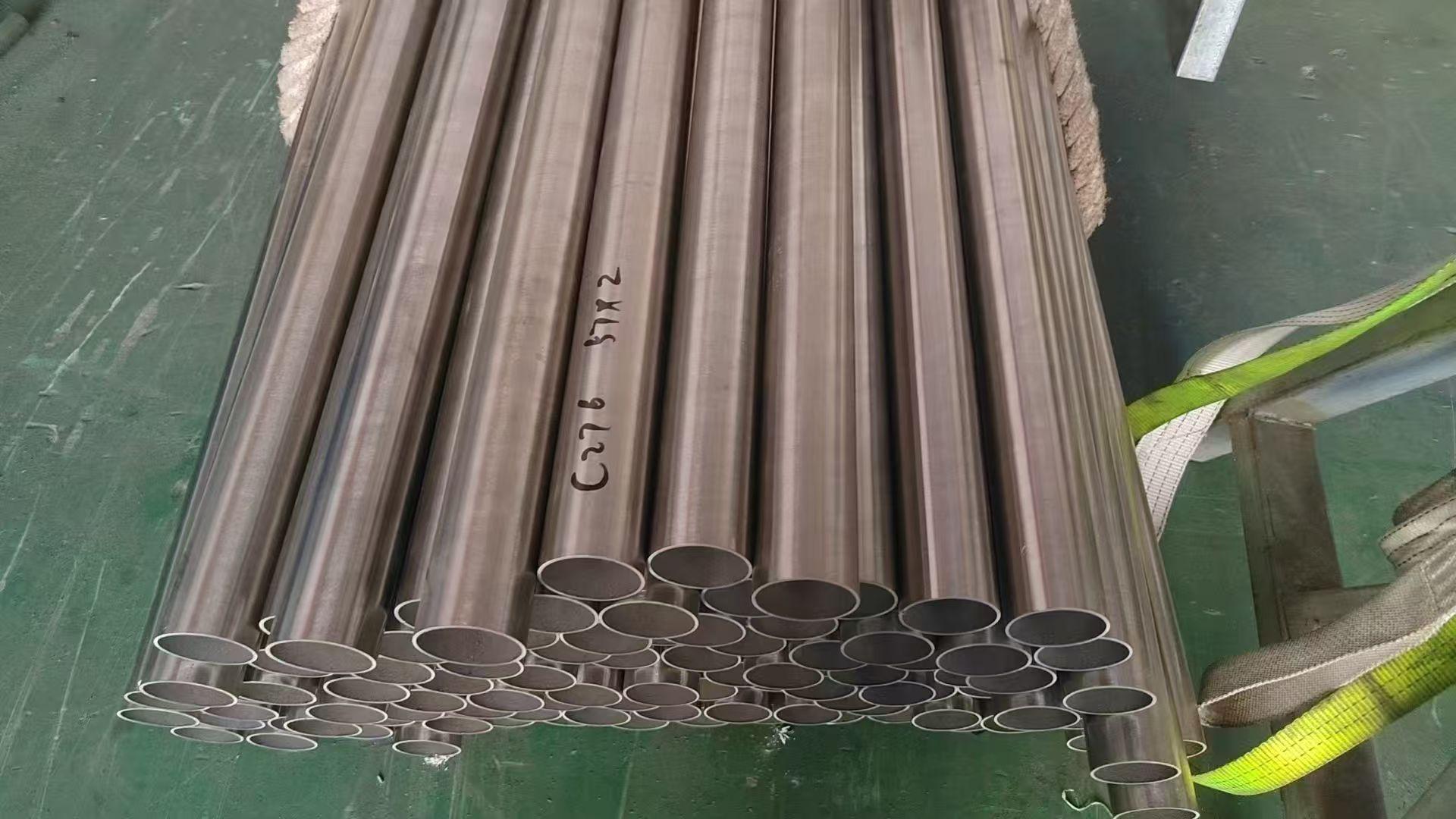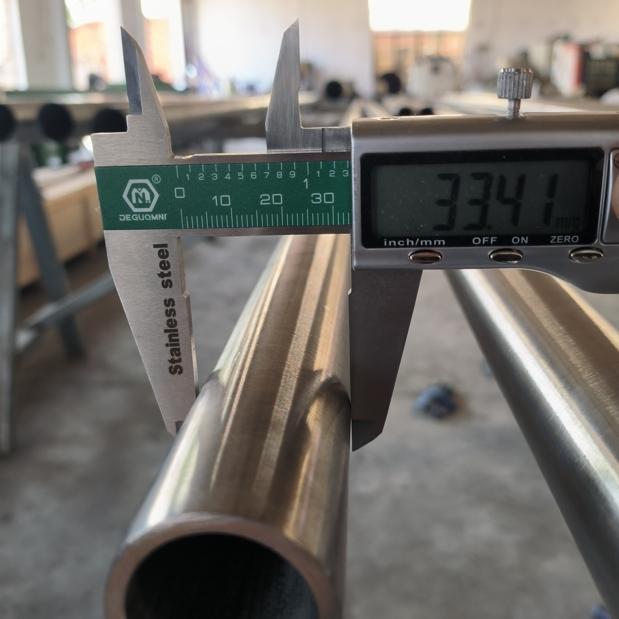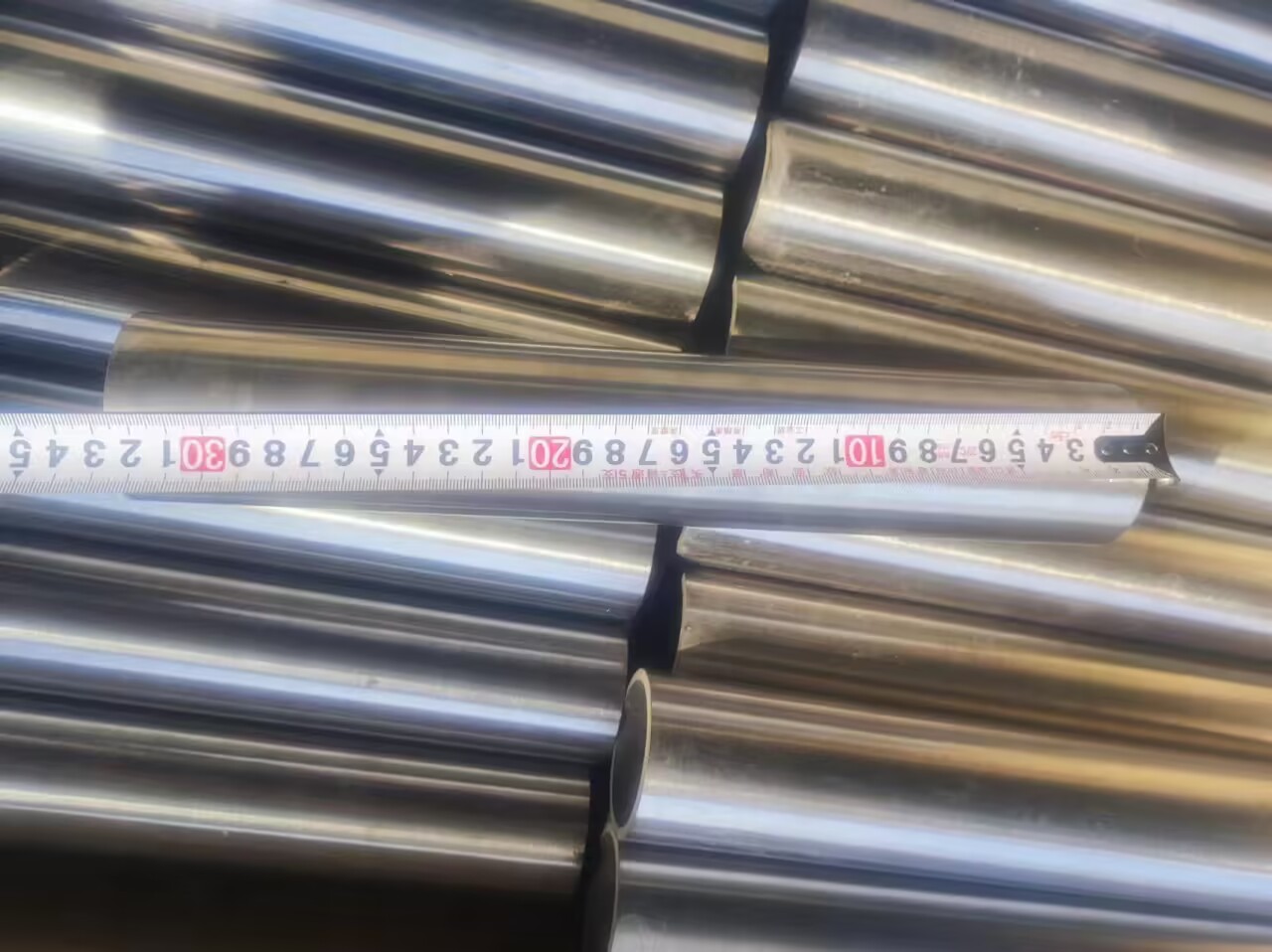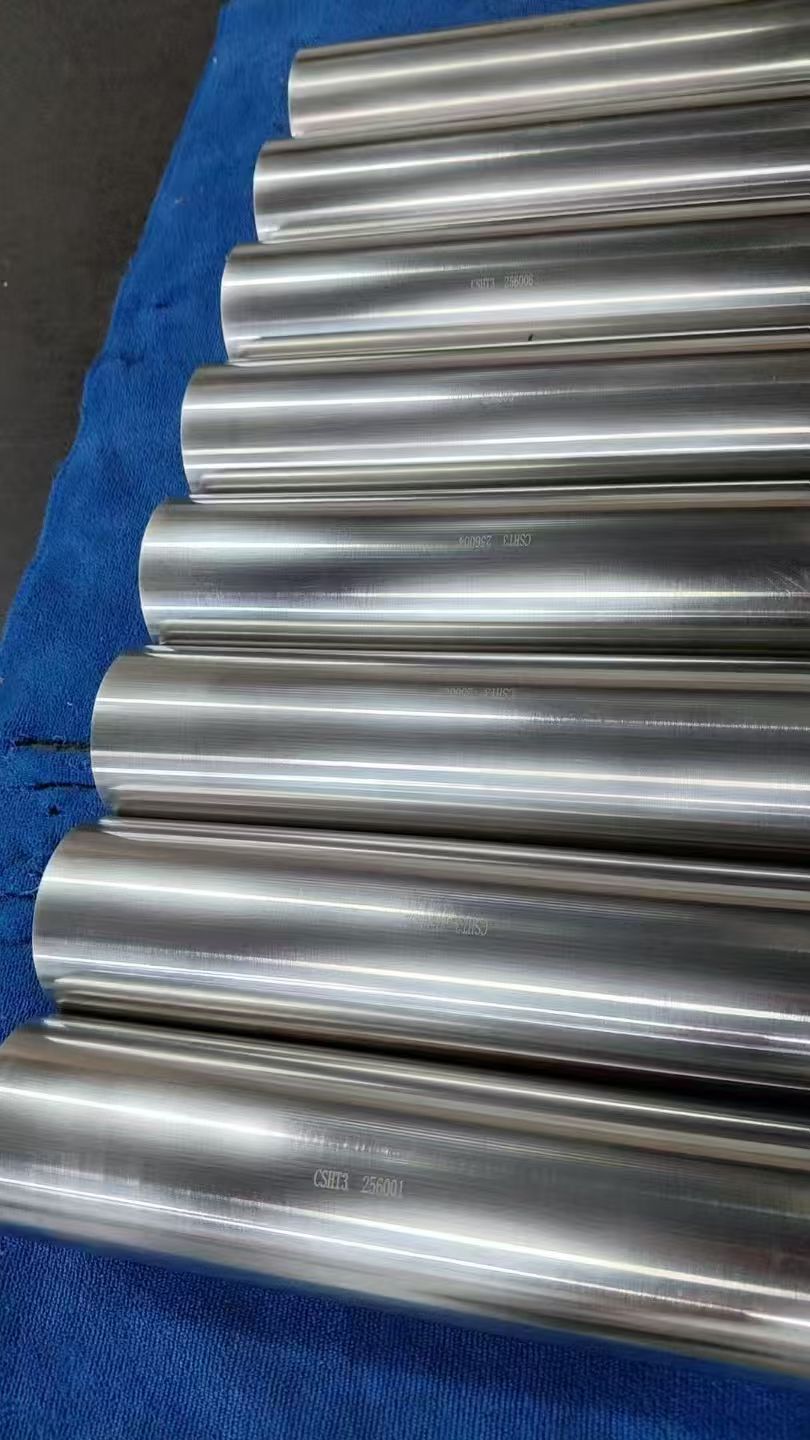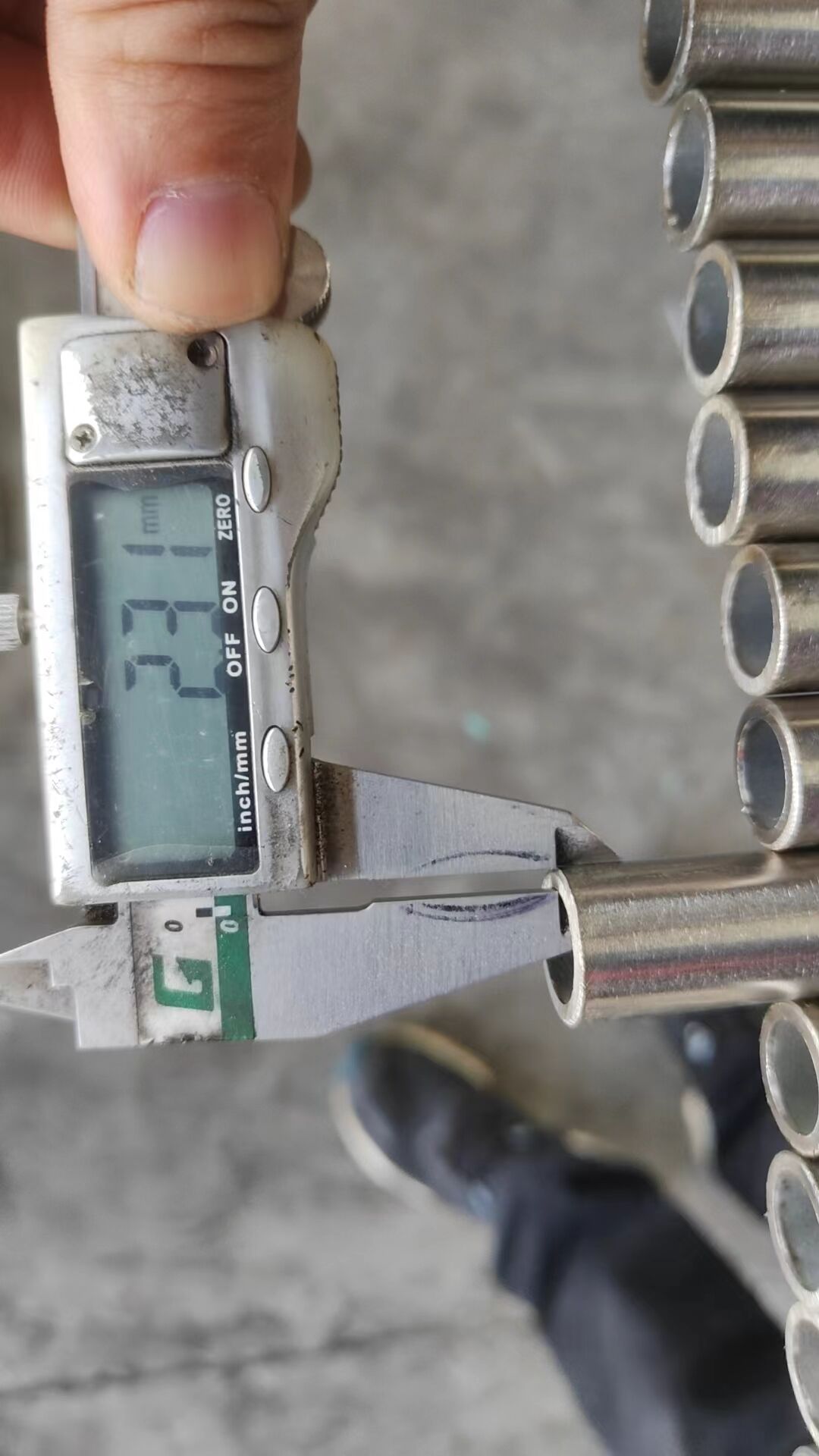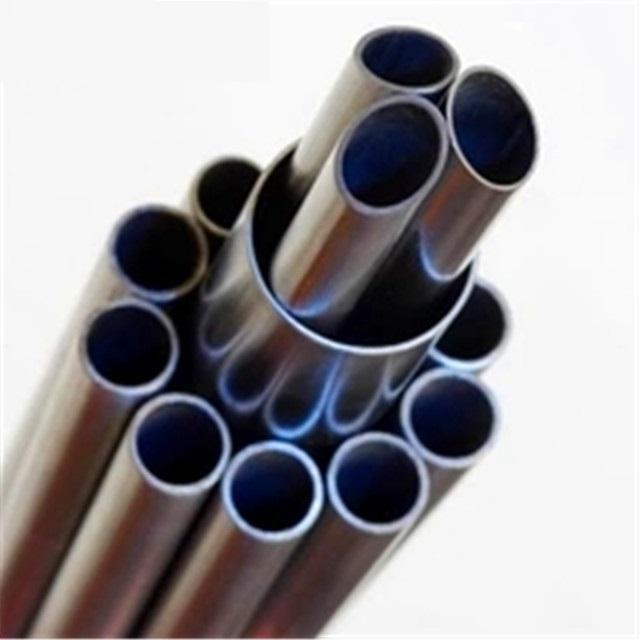
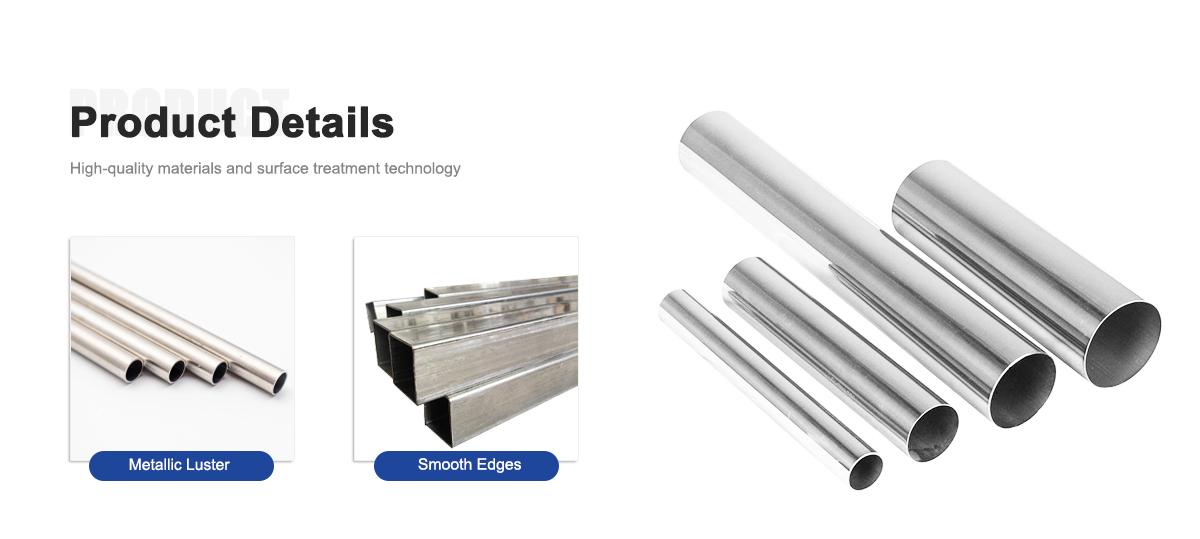
Our 4J43 Fe-Ni-Co Alloy Tube is a top choice for advanced glass-to-metal sealing in aerospace technology. With 42% nickel, 15% cobalt, and 43% iron, it delivers a CTE of ~5.2 ppm/°C (20-500°C), perfectly matching glass for airtight seals. It’s tough, corrosion-resistant, and built to handle extreme aerospace conditions. Whether you’re working on satellite components or avionics, our 4J43 tube ensures your seals stay strong and reliable.
For more details, pls directly contact us.
The aerospace industry is soaring, with a projected CAGR of 5.8% through 2032, driven by demand for satellites, avionics, and space exploration. Glass-to-metal seals are critical for sensors, connectors, and vacuum systems, where thermal stability is non-negotiable. As aerospace pushes for lightweight, high-performance materials, our 4J43 tube meets the challenge, offering precision and durability. The rise of satellite technology and advanced electronics further fuels the need for reliable sealing alloys like ours.
| Elements | 4J29 | 4J36 | |
| Carbon (C) | Not greater than | 0.03 | 0.05 |
| Sulfur (S) | 0.02 | 0.02 | |
| Phosphorus (P) | 0.02 | 0.02 | |
| Manganese (Mn) | ≤0.50 | 0.20-0.60 | |
| Silicon (Si) | ≤0.30 | ≤0.30 | |
| Nickel (Ni) | 28.5-29.5 | 35.0-37.0 | |
| Chromium (Cr) | - | - | |
| Cobalt (Co) | 16.8-17.8 | - | |
| Iron (Fe) | Rest | Rest | |
| Other Elements |
| Alloy Grade | 20°C-100°C | 20°C-300°C | 20°C-500°C |
| 4J36 Invar Alloy | 1.2×10⁻⁶ /°C | 2.5×10⁻⁶ /°C | - |
| 4J29 Kovar Alloy | 4.6×10⁻⁶ /°C | 5.5×10⁻⁶ /°C | 6.2×10⁻⁶ /°C |
| Alloy Grade | 4J36 Invar Alloy | 4J29 Kovar Alloy |
| Density (g/cm³) | 8.1 | 8.2 |
| Tensile Strength (MPa) | 500-600 | 600-700 |
| Yield Strength (MPa) | 250-350 | 300-400 |
| Hardness (HV) | 150-200 | 200-250 |
| Alloy Grade | 4J36 Invar Alloy | 4J29 Kovar Alloy |
| Electrical Resistivity (10⁻⁶ Ω·cm) | 80 | 50 |
| Thermal Conductivity (W/m·K) | 10-12 | 16-18 |
For more details, pls directly contact us.
Our 4J43 Fe-Ni-Co Alloy Tube is a powerhouse in aerospace applications. It’s used in sensors for navigation and environmental monitoring, ensuring airtight seals in extreme conditions. Satellite components, like communication modules, rely on its stability for long-lasting performance. In avionics, it supports vacuum tubes and high-reliability connectors that operate in high-altitude or space environments. It’s also a fit for telecommunications and defense, where its thermal stability shines in microwave components and radar systems.
Comparison Table: 4J43 Fe-Ni-Co vs. 4J33 Ni-Co vs. Kovar 4J29
|
Parameter |
4J43 Fe-Ni-Co |
4J33 Ni-Co |
Kovar 4J29 |
|---|---|---|---|
|
Composition |
42% Ni, 15% Co, 43% Fe |
35% Ni, 17% Co, 48% Fe |
29% Ni, 17% Co, 54% Fe |
|
CTE (ppm/°C, 20-500°C) |
~5.2 |
~4.7 |
~5.0 |
|
Temperature Range |
-50°C to 500°C |
-40°C to 450°C |
-50°C to 400°C |
|
Curie Temperature |
~420°C |
~430°C |
~435°C |
|
Yield Strength (MPa) |
~360 |
~340 |
~345 |
|
Tensile Strength (MPa) |
~560 |
~520 |
~520 |
|
Density (g/cm³) |
8.25 |
8.27 |
8.36 |
|
Applications |
Aerospace sensors, satellite parts |
Semiconductor packaging, vacuum tubes |
Vacuum tubes, microwave components |
|
Oxidation Resistance |
Excellent |
Excellent |
Excellent |
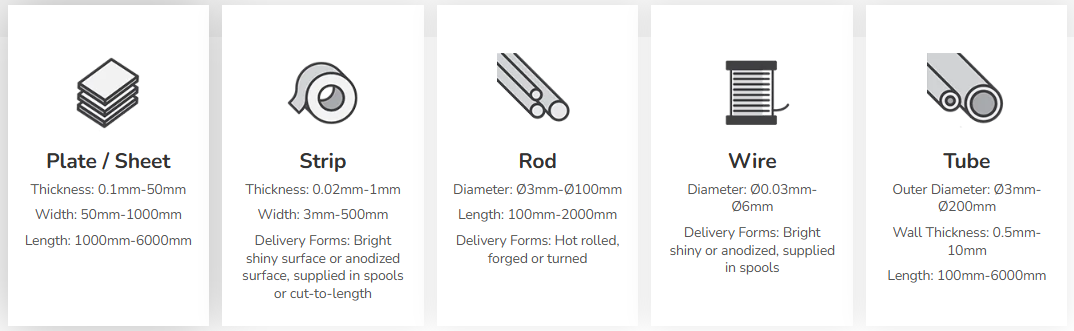
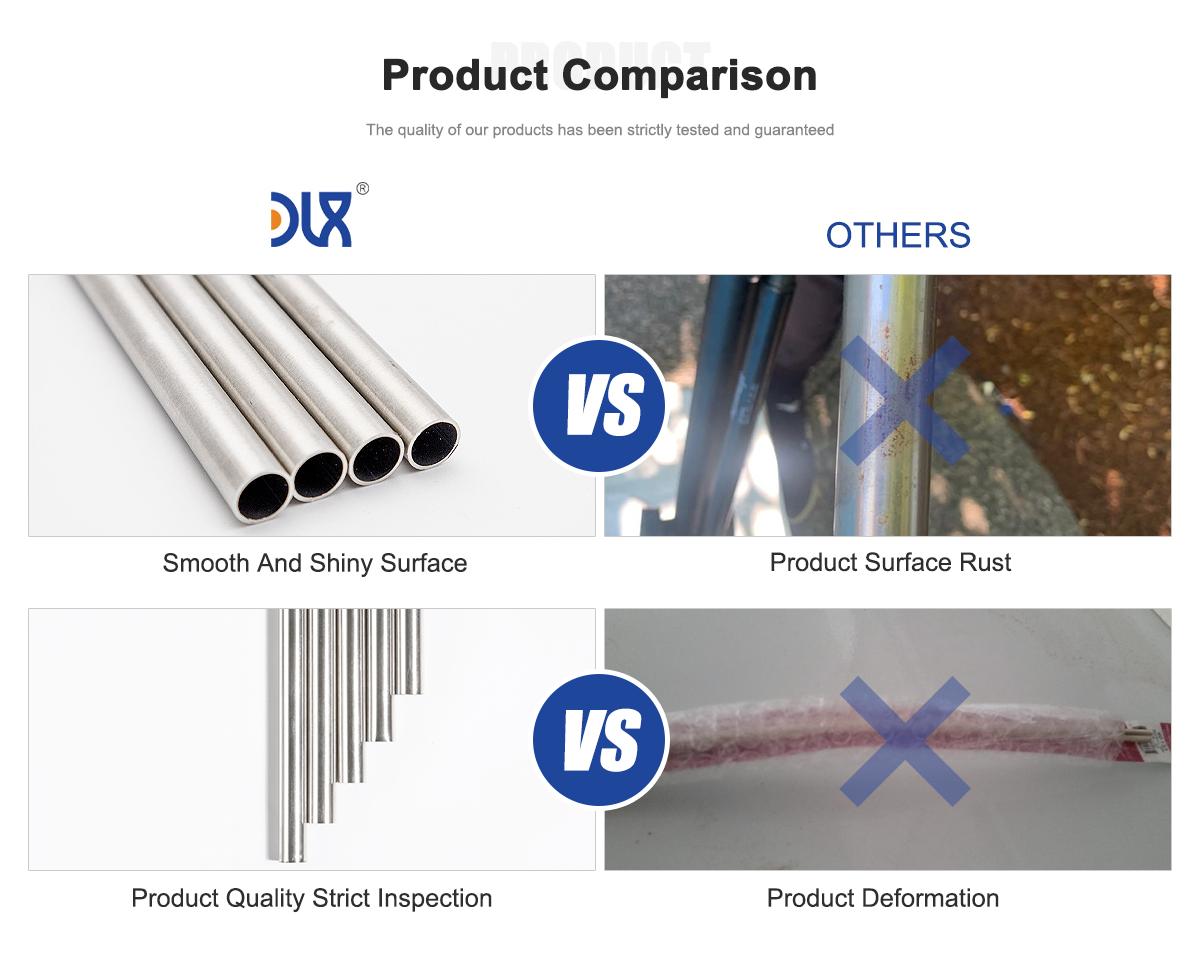
We know the market offers plenty of sealing alloys, but our 4J43 Fe-Ni-Co Alloy Tube stands out for its precision and quality. Our strict quality control ensures a consistent CTE and robust mechanical properties (yield strength ~360 MPa, tensile strength ~560 MPa). We provide customized tube sizes and forms to fit your exact specs, with faster delivery than many alternatives. Our efficient production process keeps costs low without compromising performance, and our alloy’s excellent CTE matching gives it an edge in aerospace applications. With years of expertise, we’re your trusted partner for high-performance alloy solutions.
Why Choose Our 4J43 Fe-Ni-Co Alloy Tube?
Our 4J43 Fe-Ni-Co Alloy Tube is built for the future of aerospace technology. Its precise thermal expansion, durability, and corrosion resistance make it ideal for sensors, satellite components, and avionics. Whether you’re building for space or high-altitude flights, our tube ensures your components stay sealed and reliable. Contact us today to see how 4J43 can take your aerospace projects to new heights!
For more details, pls directly contact us.

About Us:
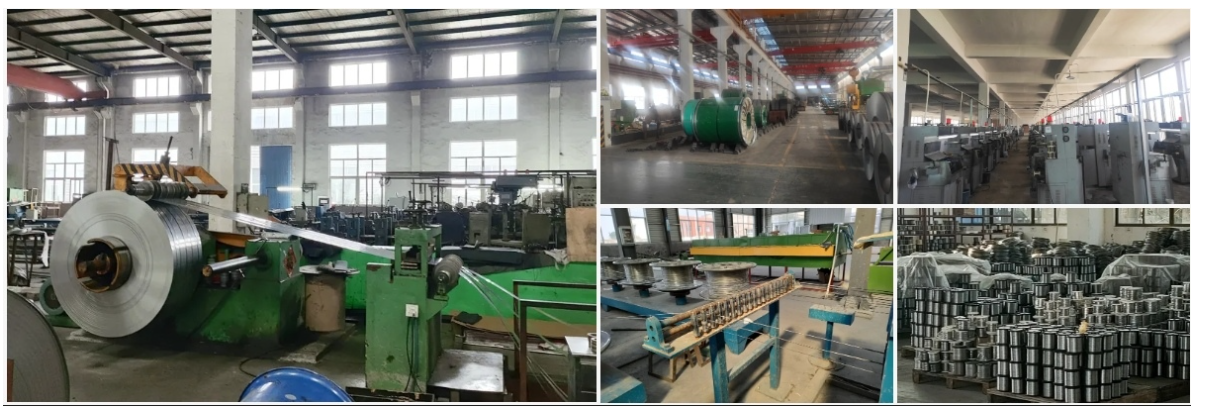
Our 12,000㎡ factory is equipped with complete capabilities for research, production, testing, and packaging. We strictly adhere to ISO 9001 standards in our production processes, with an annual output of 1,200 tons. This ensures that we meet both quantity and quality demands. Furthermore, all products undergo rigorous simulated environment testing including high temperature, high pressure, and corrosion tests before being dispatched, ensuring they meet customer specifications. For all our clients, we offer timely and multilingual after-sales support and technical consulting, helping you resolve any issues swiftly and efficiently.
Client Visits
Building Stronger Partnerships

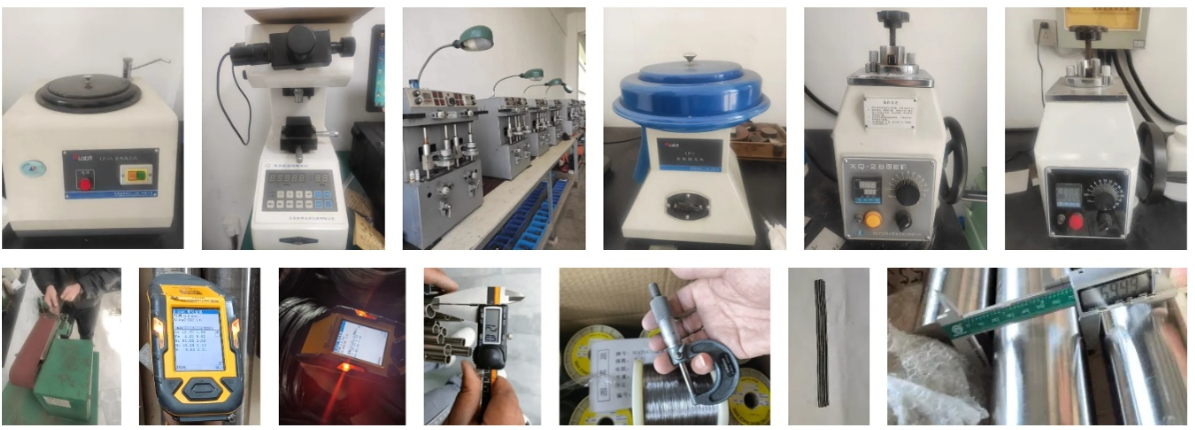
We support all kinds of testing:

FAQs
-
What is 4J43 Fe-Ni-Co Alloy Tube?
It’s a nickel-iron-cobalt alloy tube designed for advanced glass-to-metal sealing, perfect for aerospace technology requiring airtight performance. -
What are the key properties of 4J43?
It offers a CTE of ~5.2 ppm/°C (20-500°C), excellent corrosion resistance, and high mechanical strength, ideal for hermetic seals. -
What industries use 4J43 Alloy Tube?
Aerospace, defense, electronics, and telecommunications rely on it for stable sealing in high-performance components. -
What are common applications for 4J43?
It’s used in aerospace sensors, satellite components, vacuum tubes, and high-reliability electronic connectors. -
How does 4J43 compare to other sealing alloys?
Its Ni-Co-Fe composition provides a precise CTE match with glass, ensuring superior seal durability compared to many alloys. -
What temperature range is 4J43 effective in?
It performs reliably from -50°C to 500°C, maintaining seal integrity in extreme aerospace environments. -
Is 4J43 weldable or machinable?
Yes, it’s weldable and machinable with standard techniques, though precise tooling is needed due to its toughness. -
How does 4J43 align with industry trends?
It supports the aerospace industry’s need for lightweight, durable materials in satellites, avionics, and space exploration technologies.